

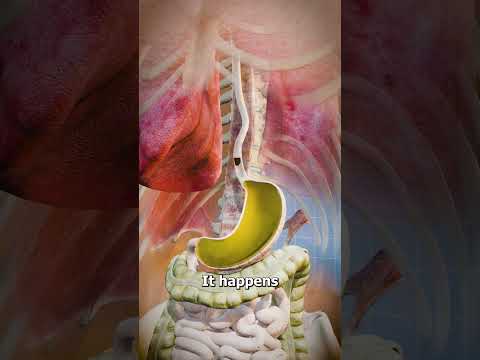
Hey there! So, let’s chat about something a little uncomfortable but super interesting—gastric reflux. You know, that annoying feeling when your stomach throws a fit and you end up tasting last night’s dinner again? Yikes!
Here’s the thing: it’s not just about what you ate last night. There’s some pretty wild tech behind why your body reacts like this. Seriously! From the foods we munch on to stress levels and even how we position ourselves after eating, it all plays a role.
Picture this: you’re at a party, enjoying pizza and soda when suddenly, boom—your esophagus is on fire. It’s frustrating, right? But understanding what triggers these episodes can help you dodge them in the future.
So let’s dive into the fascinating world of gastric reflux triggers together! Trust me; it gets really cool!
Understanding the Triggers of Gastroesophageal Reflux Disease: Key Factors and Management Strategies
So, let’s chat about gastroesophageal reflux disease, or just GERD. Sound familiar? It’s that annoying condition where stomach acids bubble up into your esophagus, causing heartburn and discomfort. Not fun, right? Knowing what triggers this can help you manage it a little better.
One of the biggest culprits is what you’re eating. Certain foods can make reflux worse. You might want to keep an eye on:
- Spicy foods
- Citrus fruits
- Chocolate
- Caffeinated drinks
- Fatty or fried foods
- Tomato products
Imagine munching on nachos with extra cheese and jalapeños. Yikes! You might feel that burn later.
Your lifestyle matters too. Ever noticed how stress affects your gut? Or how eating just before bed leads to a restless night? Those habits can also trigger GERD symptoms.
Here’s something interesting: being overweight can pile on the pressure in your abdomen, making it easier for acid to sneak back up. It’s like having a soda bottle shook up—eventually, something’s gonna give!
Now let’s talk about management strategies. It might help to eat smaller meals instead of big ones. Also, try not to lie down right after eating; give your body some time to digest. And sleeping with your head elevated can make a difference as well—it’s like giving gravity a helping hand.
Remember, even though these tips can be helpful, they don’t replace chatting with a healthcare professional about your symptoms and experiences. That’s the real deal when it comes to understanding and managing GERD!
So there you have it—understanding those pesky triggers is key! Keep an eye on what you eat and how you live, and maybe you’ll find some relief from that burning sensation!
Effective Strategies to Manage an Acid Reflux Attack: Tips for Immediate Relief
Alright, let’s chat about acid reflux. You know, that uncomfortable feeling when your stomach just doesn’t want to play nice? It can sneak up on you, and when it does, having some quick relief strategies is super handy. So, here are a few effective ways to manage an acid reflux attack without needing to hit the panic button.
- Sit Up Straight: Seriously, good posture can help. When you’re slouching, your stomach might not be able to do its job properly. Just sit up tall and give your belly some room!
- Drink Water: Sometimes a simple glass of water does wonders. It can help wash down that acid burning away your throat and ease the discomfort.
- Avoid Trigger Foods: Maybe it’s coffee or spicy pizza—whatever makes your tummy grumble isn’t worth the pain. Keep track of what triggers you and try steering clear when you can.
- Ginger Tea or Chewing Gum: Both can soothe your stomach. Ginger’s like that friend who always knows how to calm you down, right? And chewing gum helps produce saliva which can neutralize acid.
- Take Deep Breaths: Okay, this one’s kinda zen. Deep breathing helps relax your body and might ease the tension in your stomach area. Just take it slow!
You ever had one of those moments where you’re at a big family dinner and bam! Your throat starts burning? I remember my cousin Anna gasping for air after devouring her third slice of lasagna! It was like watching a scene from a movie where disaster strikes at dinner time! Having these strategies in mind could’ve saved her from that awkward moment!
The thing is, everyone is different with their triggers and what works for them. Always keep an open convo with a healthcare professional about managing this stuff long-term! And remember, what works for one person might not work for another—so it’s cool to try different things until you find what clicks for you!
So next time you’re feeling that familiar burn creeping in, just remember these tips and try to tackle it head-on!
Effective Strategies for Permanently Curing GERD: A Comprehensive Guide
So, let’s talk about GERD, yeah? That annoying heartburn that sneaks up on you after a slice of pizza or a big ol’ bowl of chili. Gastroesophageal Reflux Disease (GERD) might sound like something out of a medical dictionary, but it’s pretty simple: it happens when stomach acid flows back into your esophagus, causing that burny feeling. Seriously, it’s no fun!
Now, if you’ve been looking for ways to tackle this pesky problem, there are some strategies you might find helpful. Just keep in mind that these tips won’t replace any advice from your healthcare provider. Always good to have them in the loop!
- Watch What You Eat: Certain foods can be major culprits. Think spicy dishes, citrus fruits, and chocolate. Ugh! It’s hard to say goodbye to tacos and nachos.
- Portion Control: Overeating? Not a great idea! Try munching on smaller meals throughout the day instead of one big feast.
- Sit Up Straight: Ever notice how slouching makes things worse? Keeping a good posture while eating can help reduce the chances of reflux action.
- Timing is Key: Give yourself time before hitting the sack after eating. A little wait can go a long way in keeping acid at bay.
- Avoid Smoking and Alcohol: I know—it’s tough! But smoking and boozy beverages can really stir up trouble for your esophagus.
You remember my friend Jamie? She used to chug coffee like it was water. Then she discovered her GERD was getting outta control! By cutting back on coffee and switching to herbal tea, she noticed a huge difference. It’s all about figuring out what works best for you!
If you’re ever in doubt or things just don’t seem right, please connect with a healthcare professional who knows their stuff. They can help guide you better than any blog post ever could! So take care of yourself and keep fighting that heartburn—cheers to feeling great!
Understanding the Dangers of Acid Reflux: Can It Be Fatal While You Sleep?
So, let’s dive into the world of acid reflux, shall we? You’ve probably heard of it. That annoying feeling when stomach acid creeps its way back into your throat, and you end up tasting last night’s pizza again. Seriously, who wants that?
Acid reflux itself isn’t going to win any awards for fun times. Most people deal with it once in a while, especially after guzzling down spicy food or chowing down on some cheesy goodness. But here’s the thing: while it’s usually more annoying than dangerous, it can get serious if it happens a lot.
Now, can it be fatal while you sleep? Let’s put those fears to rest. Sudden life-threatening events related to acid reflux are rare. It’s not like you’re going to wake up one morning and think, “Wow! Acid reflux just took me out!” But yeah, there are some things to consider:
- Aspiration risk: If you’ve got a severe case of reflux, there’s a chance that stomach contents could accidentally enter your lungs while you’re snoozing. Yikes.
- Chronic issues: Long-term acid reflux can lead to more severe conditions like esophagitis or Barrett’s esophagus. They’re not exactly party favors.
- Sleep disruptions: Frequent nighttime symptoms can mess up your beauty sleep. Tossing and turning is no way to start the day!
So, what does this all mean? While acid reflux might not be your best friend at night, a lot of people live with it and manage just fine—most of the time!
I remember my friend Sarah used to complain about waking up in the middle of the night feeling like her chest was on fire. Turns out her late-night burrito habit wasn’t doing her any favors! A few tweaks later—hello earlier dinners—and she was sleeping like a baby again.
But hey, if you frequently experience acid reflux symptoms at night—like burning sensations or coughing—it might be worth chatting with someone who knows about these things. A doctor can help figure out what works for you because nobody wants to deal with that uncomfortable feeling over and over again.
In essence? Acid reflux isn’t usually fatal during sleep but understanding its triggers and symptoms is super important for keeping those nighttime woes at bay!
Oh man, gastric reflux can be a real pain, right? I mean, we’ve all had that awful feeling when you’re just chilling, maybe enjoying a nice slice of pizza, and suddenly—bam!—your stomach’s staging a rebellion. It’s tough to deal with.
Now, let’s talk about what’s going on inside your body during these episodes. You’ve got this thing called the lower esophageal sphincter (or LES for short). Think of it like a little door between your stomach and your esophagus. Ideally, it should stay shut after food passes through. But sometimes? It gets a bit lazy or confused. That door swings open when it shouldn’t, letting all that stomach acid sneak back up—ouch!
Maybe you’re wondering what makes the LES act up in the first place? Well now, there are quite a few culprits! Foods can play a huge role here; things like spicy stuff or overly fatty goodies might trigger reflux for some folks. And don’t even get me started on carbonated drinks—that fizz can really stir things up!
But it’s not just food that causes trouble. Stress is another biggie. Seriously! When you’re feeling anxious or tense, your body reacts in weird ways—and for some people, that means more acid production or changes in how that little sphincter works.
I remember one time when my buddy Sam was all excited about starting a new job. He’d been bringing giant burritos every day for lunch to fuel his nervous energy. Well, by day three, he was pacing his office and trying to swallow down the discomfort while hoping no one noticed him grimacing at his desk.
So yeah, life can stir up these issues too! But here’s the kicker: it doesn’t have to be all doom and gloom if you find what triggers your reflux personally. It’s like piecing together a puzzle of what works best for your body.
Although this condition can be super frustrating, knowing more about how our bodies react can seriously help keep those pesky symptoms at bay. Just remember: if you’re really struggling with this stuff? Chatting with someone who knows their stuff is always a good move!
