

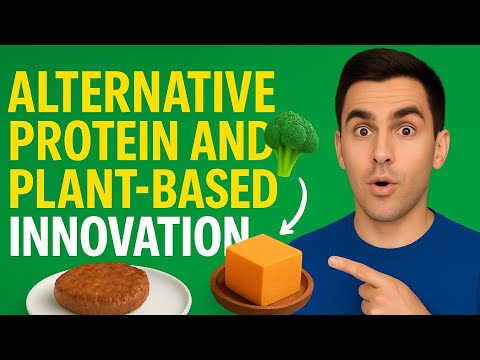
Hey there! Let’s talk about something super cool—plant-powered protein.
You know, with all the buzz around vegan diets and healthy eating, it’s hard to ignore. But why should you even consider it? Well, for starters, it’s not just for vegans! Seriously.
Imagine munching on a delicious meal that’s packed with protein but doesn’t come from animals. Sounds good, right?
Plant-based proteins are like superheroes for your meals. They’re versatile, nutritious, and honestly kinda fun to explore.
So if you’ve been thinking about switching things up in your diet or just wanna feel awesome, stay with me! Let’s dive into the world of plant-powered goodness together.
Exploring the Key Drawback of Plant Proteins: Understanding Limitations and Nutritional Impact
Hey there! So, let’s dive into the world of plant proteins. These guys are pretty trendy right now, and for good reason. They’re great for your health and the planet too! But, let me tell you, they come with some limitations that are worth knowing about.
First off, not all plant proteins are created equal. While many plants have protein, they often lack one or more of the essential amino acids our bodies need. You know how some foods are heroes for your muscle growth? Well, plant proteins sometimes miss the mark in that department. For example, beans are fantastic, but they’re low in certain amino acids compared to chicken or fish.
Another thing to consider is digestibility. Some folks find it harder to absorb plant-based proteins. Ever eaten a big bowl of lentils and felt like your stomach was doing somersaults? Yeah, that can happen because some plants also have compounds that make digestion tricky.
Now let’s chat about overall nutrition. If you’re swapping out meat entirely for plants without planning ahead, you might be missing out on important nutrients like vitamin B12 and iron which are found abundantly in animal products. Just remember: variety is key!
Lastly, caloric density plays a role. Plant sources can sometimes require you to consume larger quantities to get enough protein compared to meat. So when you think about a meal packed with quinoa or tofu versus a steak, the calorie count might look different even though you’re aiming for the same protein goal.
Anyway, it’s super cool to embrace more plant-based options in your diet! Just keep these things in mind when making choices about your nutrition. And always chat with a healthcare professional if you wanna dig deeper into what works best for you. Stay curious and enjoy your meals!
Achieving 30g of Protein from Plant-Based Sources: A Comprehensive Guide
So, you’re thinking about adding more plant-based protein to your diet? You’re not alone! A lot of folks are jumping on the plant-powered train. And honestly, getting enough protein from plants can be both fun and fulfilling. Let’s break it down!
First things first, why protein? It’s one of the building blocks our bodies need. It helps with muscle repair, keeps you feeling full, and supports overall health. The cool part? You can totally hit that 30g mark from plants without much fuss.
Here are some easy ways to pump up your plant-based protein intake:
- Legumes: Lentils, chickpeas, and black beans pack a punch, seriously! Just 1 cup of cooked lentils has about 18g of protein.
- Nuts and seeds: Almonds, pumpkin seeds or chia seeds are great options. For example, just 2 tablespoons of hemp seeds can give you around 10g!
- Tofu and tempeh: These soy products are super versatile. A half-cup of firm tofu contains about 20g. That’s a solid choice for stir-fries!
- Quinoa: This grain is like a complete protein superhero—1 cup cooked has about 8g. So tasty in salads or bowls!
- Plant-based protein powders: If you’re into smoothies, a scoop can add anywhere from 15-25g depending on the brand.
Now picture this: it’s lunchtime and you’re starving after a morning workout. Instead of grabbing that boring sandwich, whip up a quinoa salad with black beans, diced veggies, and some avocado on top. Yummy and loaded with protein!
Feeling adventurous? You could try making some lentil soup or a hearty vegan chili packed with kidney beans and chickpeas! Seriously comforting!
Always remember that variety is key when it comes to any diet. Mixing different sources not only helps you reach that magical number but also gives you all the essential amino acids your body loves.
In case you’re thinking about just hopping into this new eating style—easy does it! Take your time tweaking your meals. And if you’re ever in doubt or feel lost along the way? Don’t hesitate to chat with a healthcare professional who gets what you’re aiming for.
So there ya have it—a simple way to spice up your meals while hitting that protein goal! Go forth and explore those plant-powered options!
Unlocking Nutrition: A Comprehensive Guide to Plant-Powered Protein Innovations (PDF)
You know, more and more people are talking about plant-powered proteins these days. It’s kinda cool how we’re switching things up to eat healthier and more sustainably. So, what’s the deal with plant-powered protein innovations? Let’s dive right in!
First off, what exactly is plant-powered protein? Well, it’s simply protein that comes from plants instead of animals. Think beans, lentils, nuts, seeds—these foods pack a serious nutritional punch! They can help you build muscle just like animal proteins, without all that extra fat and cholesterol.
Now you might be wondering why this trend is catching on. There are a few reasons:
- Sustainable eating: Plant proteins generally have a smaller carbon footprint than animal products. This means you can feel good about your food choices!
- Diverse options: You’ve got an amazing variety of flavors and textures to play with! From tofu to chickpeas to quinoa—there are so many ways to incorporate these into your meals.
- Nutritional benefits: Plant-based proteins often come with fiber and essential nutrients. This can help keep your digestion on point and make you feel full longer!
Let me tell you about my buddy Sarah. She’s always been a meat-lover but decided to give plant-based eating a go for her health. She started swapping out chicken for lentils in her stew and was blown away by how delicious it was! Plus, she felt more energetic after those meals. That’s the magic of experimenting with plant-powered options.
Now let’s chat about some innovations. If you’ve been at the grocery store lately, you’ve probably seen alternatives like pea protein powder or even jackfruit burgers popping up everywhere! These innovations make it easier than ever to enjoy a plant-based lifestyle without feeling like you’re missing out on anything.
And don’t forget about a little creativity. You can mix and match these proteins in ways that keep your meals exciting. Add some hemp seeds to your smoothie or toss quinoa into salads—the possibilities are endless!
So remember, embracing plant-powered proteins doesn’t mean overhauling your entire diet overnight. It’s all about making small changes that fit into your lifestyle—like adding more beans here or trying out tofu there.
At the end of the day, exploring new nutrition choices should be fun! Just remember: if you’re thinking of making big changes or have any health concerns, talking with a healthcare professional is always a smart move before diving into new dietary waters. Happy eating!
Comprehensive Review of Plant Power Protein: Benefits, Ingredients, and User Feedback
Plant Power Protein is like the cool, trendy kid in the nutrition world right now. It’s all about getting your protein from plants rather than traditional animal sources. Why? Well, many folks are looking for healthier or more sustainable options and plant-based proteins can offer that!
So, let’s dive into some of the benefits you might want to know about:
- Nutrient-rich: Plant proteins usually come packed with vitamins and minerals. You get fiber, antioxidants, and all sorts of good stuff that help your body function better.
- Weight management: These proteins can help you feel fuller longer. Ever tried a hearty lentil soup? It’s filling and keeps those temptations at bay!
- Sustainability: Choosing plant power is like giving Mother Earth a hug. It takes less water to grow plants compared to raising animals, so it’s kinder on the planet.
Now let’s chat about some typical ingredients. You’ll often find things like:
- Pea protein: This is like the rock star of plant proteins! It’s super digestible and great for muscle recovery.
- Brown rice protein: Not just for sushi! It balances out amino acids—essentially building blocks of protein—making it a favorite for smoothies.
- Hemp seeds: They’re small but mighty! Packed with Omega-3 fats plus protein, they’re a perfect addition to salads or shakes.
Of course, not everything is sunshine and rainbows. Some people find that plant proteins can taste a bit different from what they’re used to. And hey, the texture might be off if you’re expecting something creamy like yogurt.
User feedback has been pretty mixed—a lot of people love it but others miss their traditional sources. I remember my buddy Karen tried switching over after going vegan; she loved how energized she felt but did have trouble finding her favorite flavors at first. But hey, with more brands hopping on the bandwagon lately, options are popping up everywhere!
In the end, whether you’re diving into this whole new world or just curious about trying something different, plant power protein could be worth exploring! Just remember it doesn’t replace professional healthcare advice—always chat with your doc if you’re thinking about major changes in your diet.
So, let’s chat about plant-powered protein. You know, a few years back, I was at a barbecue with friends, and someone offered me a veggie burger. I hesitated—because come on, I love my juicy beef patties—but I thought, “Why not?” That tiny choice opened up an entire world of plant-based goodness for me.
Plant-powered proteins are becoming super popular lately. And it makes sense! Not only do they pack some serious nutritional punch, but they also make you feel good inside. Seriously, when you choose foods like lentils, chickpeas, or even quinoa, you’re doing your body a favor. They have fiber and nutrients that many animal proteins just can’t match.
And here’s a fun fact: Plant proteins can be just as effective for building muscle as animal ones. There are loads of pro athletes out there who swear by their plant-based diets! The key is to mix it up; think of beans combined with rice or nuts mixed into your morning smoothie.
But let’s be real; it’s not always easy. Sometimes it’s hard to shake off that idea that meat equals strength. I mean, how many times have you heard “Where do you get your protein?” It’s funny—and honestly a bit exhausting sometimes! But I’ve learned that incorporating more plants doesn’t mean sacrificing flavor or satisfaction.
When I whip up some tofu stir fry or chickpea curry now, it feels exciting! There’s this whole colorful array of foods to explore. You’ve got tempeh, edamame… the list goes on! Making those choices has improved my energy levels and my mood. Plus, trying out new recipes has turned into this little hobby of mine!
So anyway, if you’re curious about switching it up in your diet or just looking for ways to innovate your nutrition choices—give the green stuff a chance! Who knows? You might just discover that plant-powered protein is your new best friend in the kitchen.
