

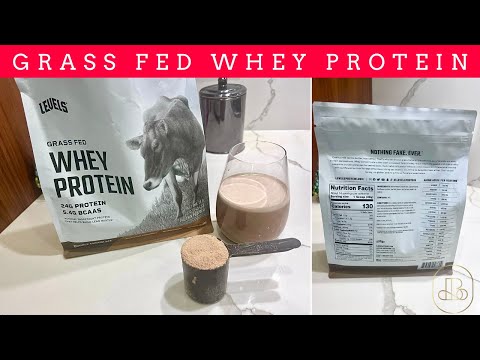
Hey there! So, let’s talk about protein for a sec. We all know it’s the superhero of the nutrition world, right? But have you ever thought about where your protein is coming from?
Seriously, you know that feeling when you just crushed a workout? Well, that’s when your muscles want to party—and they need good stuff to fuel that celebration. Enter grass-fed whey protein. It’s like the cool cousin of regular whey, offering some extra benefits that could give your body a nice little boost.
Imagine sipping on a shake that not only tastes great but also comes from cows that grazed on green pastures. Sounds good, huh? You’ll probably be wondering what makes this stuff different and why it should matter to you. So let’s dive in! It might just change how you think about protein forever!
Exploring the Downsides of Grass-Fed Whey Protein: What You Need to Know
So, you’ve probably heard a lot about grass-fed whey protein lately, right? It’s been popping up everywhere, from your gym buddy’s Instagram to that health food store down the street. And yeah, it does have its perks—like being a little more natural. But let’s not forget that it’s not all sunshine and rainbows. There are some downsides you should know about.
First off, grass-fed whey protein can be pretty expensive. Seriously, if you’re used to prices that don’t make your wallet cry, you might want to sit down when you see the tag on this stuff. The grass-fed label often means higher costs because of the way those cows are raised and fed.
Also, let’s talk about digestibility. Some folks find that they have a harder time digesting this protein compared to other types like standard whey. Maybe it’s the lactose content—or who knows? If you’re sensitive to dairy at all, this might not be your best friend.
Now, if you’re thinking of going all-in on grass-fed whey for health reasons, remember that it doesn’t automatically mean it’s healthier for everyone. The nutritional differences can be really subtle. It might just come down to personal preference or what your body reacts best to.
And here’s another thing: availability can be an issue. Sometimes it feels like hunting for unicorns trying to find quality grass-fed options in regular stores. You may end up ordering online or visiting specialty shops.
Lastly, while many love the idea of supporting sustainable farming practices by choosing grass-fed options, it doesn’t always guarantee high standards in animal welfare across the board. So do your research if that matters to you!
In a nutshell: sure, grass-fed whey protein has its benefits and can fit nicely into some diets. Just keep these downsides in mind so you’re making informed choices rather than going with the crowd! Remember though—if you’re thinking about changing your diet seriously or trying something new like this protein type, having a chat with a healthcare provider is always good advice!
Daily Whey Protein Consumption: Benefits, Risks, and Effects Explained
So, let’s chat about whey protein. You’ve probably heard about it, especially if you’re into fitness or health stuff. It’s basically a protein that comes from milk when they make cheese. Pretty cool, right? But what happens if you decide to use it every day?
First off, many people think of whey protein as a great way to boost protein intake. If you’re looking to build muscle or just want to support your body, it can help. High-quality whey protein, especially the grass-fed kind, often has lots of good nutrients and can be really effective in those goals.
- Muscle growth: Regular intake might help you gain muscle when paired with exercise.
- Weight management: Protein can keep you feeling full! So if you’re trying to manage your weight, it might help curb those pesky cravings.
- Nutrient boost: It’s not just protein; many whey protein powders are loaded with other good stuff like vitamins and minerals.
But hold on! It’s not all sunshine and rainbows. There are a few things to consider before chugging down that protein shake like it’s juice!
- Lactose intolerance: If you’ve got issues with lactose (that’s the sugar in milk), regular whey could be a no-go for you.
- Kidney strain: For folks already dealing with kidney trouble, too much protein could create extra work for them.
- Additives: Some whey powders have added sugars or chemicals. You’ll want to read the labels!
You know what? I remember my buddy Mike started using whey every single day after workouts. At first, he felt amazing—lots of energy and strength gains! But after some time, he noticed some weird digestive issues. Turns out he just didn’t mix well with all that extra lactose in his shakes.
The thing is, every body is different! What works wonders for one person can feel like a brick wall for another. So if you’re thinking about adding daily whey protein into your routine, maybe check in with a healthcare pro—or at least have a chat with someone who knows their stuff.
In the end, it can be beneficial but also has its risks. Just stay aware of how your body responds and choose wisely! And don’t forget that natural foods should still be your go-to source for nutrition!
Understanding Doctors’ Concerns: Why Whey Protein May Not Be Recommended
So, if you’ve been diving into the world of protein supplements, you might have heard some chatter about whey protein. It’s super popular among fitness lovers. But guess what? Not all doctors are thrilled about it. Let’s break down their concerns in a chill way.
First off, not everyone can handle whey protein. It comes from milk, and if you’re lactose intolerant or have a dairy allergy, well, that could be a serious no-go for you. Imagine trying to enjoy a smoothie and then feeling bloated or gassy afterward. Yeah, not fun.
Another thing is that while whey protein can help build muscle, some docs worry people might rely on it too much. You know, thinking it’s a shortcut to gains when really a balanced diet is where it’s at. So instead of just slurping down shakes all day, it’s important to mix in whole foods like beans, nuts, and good old-fashioned chicken.
Also, keep in mind that not all whey proteins are created equal. Some brands add sugar or artificial stuff to make them taste better but that could throw off your health goals. It’s always smart to check the label before diving in!
And lastly—seriously pay attention here—some research suggests high doses of protein might put stress on your kidneys over time. If someone already has kidney issues (which is sneaky since many don’t even know), adding tons of protein could be risky.
So yeah! It’s good to chat with your doctor before jumping into any supplement routine. They can help steer you toward what fits best for your specific health needs without leaving out those crucial food groups we all love!
Unlocking the Benefits of Grass-Fed Whey Protein: A Comprehensive Guide
Hey there! So, let’s chat about something you might’ve heard buzzing around the health circles: grass-fed whey protein. It’s like the cool kid in the world of protein powders. You might be wondering, what’s all the hype about? Well, let’s break it down.
First off, what is grass-fed whey protein? Imagine dairy cows roaming freely in green fields, chomping on fresh grass. Sounds nice, right? Grass-fed whey comes from milk that these happy cows produce. It’s different from regular whey because it typically has a higher nutritional profile. That’s because those grassy pastures are packed with nutrients.
Now you’re probably thinking about the benefits. Here are some cool things about grass-fed whey:
- Better Nutrients: It generally contains more omega-3 fatty acids and antioxidants.
- Protein Quality: The amino acids in grass-fed whey are often more bioavailable, which means your body can use them better.
- No Additives: Most grass-fed options don’t have added hormones or antibiotics, keeping it closer to nature.
- Taste: Many people claim it has a creamier and richer flavor compared to regular whey.
But wait! There’s more than just nutrients. For many folks like us trying to keep fit or fuel our active lifestyles, protein is essential. It helps build muscles and aids recovery after workouts. One time I remember feeling totally drained after an intense gym session, and a shake made with grass-fed whey was just what I needed to bounce back!
However, it’s important not to get too carried away thinking this is some kind of magic potion. While it’s definitely a great addition to your diet if you enjoy protein powder, it’s not a replacement for whole foods or professional medical advice.
If you decide to give it a try, just check out the label before buying. Look for brands that ensure their product is truly from grass-fed cows and made without extra junk.
So next time you’re shopping for protein powder, consider giving grass-fed whey a shot. Who knows? You just might find that little boost you’ve been looking for!
Hey there! Let’s chat about something that might just power up your day—good ol’ protein. You know, it seems like everyone’s talking about protein these days, right? It’s not just for those who are hitting the gym hard anymore. Whether you’re trying to build some muscle, recover from a tough workout, or just want to feel full and satisfied, protein has got your back.
So, when people mention grass-fed whey protein, it kind of feels like the cool kid on the block. And honestly? I get it. There’s something about the idea of cows munching on grass in open fields that sounds so wholesome. When I think about my friend Lucy who always seems to bounce back after a workout—like how does she do it? Turns out she’s been using grass-fed whey. She swears by it!
Now, you might wonder what makes grass-fed whey different from regular whey. Well, grass-fed whey comes from cows that eat a natural diet of grass instead of grain. This means their milk—and therefore the protein—has more nutrients and healthy fats like Omega-3s and CLA (that’s conjugated linoleic acid if you’re curious). Plus, some folks say it tastes better! I mean, who doesn’t want a delicious shake after sweating it out?
But here’s where you might need to pay attention: Not all proteins are created equal! Some products mix in additives or sweeteners you wouldn’t believe. So when you’re picking one off the shelf or scrolling online, make sure you’re actually getting what your body deserves.
And let me tell ya—a scoop of this stuff in my morning smoothie was a total game changer for me! One day after a particularly long hike with friends (we took way too many selfies at the top—we were proud!), I threw some grass-fed whey into my blender with banana and spinach. The flavor was surprisingly good! It kept me sustained throughout the day instead of crashing mid-afternoon.
Now remember, while adding protein is awesome for your diet, it doesn’t replace whole foods like meats and veggies or anything like that! Just think of it as an extra boost when you need it.
In the end? Elevating your protein source can be as simple as choosing something like grass-fed whey if that speaks to you. But always listen to what feels right for your body—and if in doubt? Chatting with a healthcare pro is always smart!
So next time you’re thinking about ways to up your protein game, give this stuff a shot—you might just find your new favorite pick-me-up! What do you think?
