

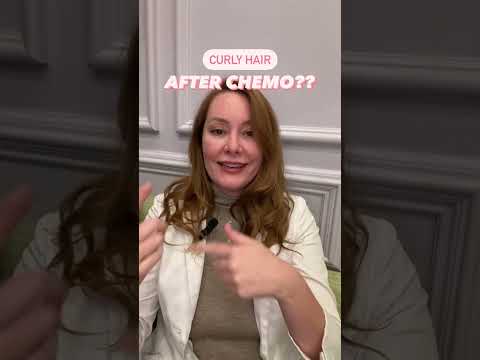
Hey there! So, let’s talk about something super important: hair. You know, the stuff on your head that can make you feel fabulous or totally frumpy?
If you’ve been through chemo, I totally get that your hair journey might feel like a wild rollercoaster ride. It’s tough! One day you’ve got it, and then poof—it’s gone. Or it’s just not the same.
But here’s the good news: there are some really cool innovations out there to help revitalize your hair during recovery. Seriously, they’re making waves and turning heads! From gentle treatments to nourishing products, there’s hope and light at the end of this tunnel.
Stick with me as we dive into some amazing options that could bring back that luscious mane of yours—because you deserve to feel like yourself again!
Top Products for Hair Growth After Chemotherapy: A Comprehensive Guide
When you go through chemotherapy, hair loss can feel like one of the hardest things to cope with. It’s not just about hair; it’s a piece of your identity, right? But the good news is that once treatment is over, many people want their locks back. So let’s chat about some products that could help you in that hair growth journey.
Scalp Treatments are a popular choice. These are formulated to nourish and stimulate your scalp, creating a healthy environment for new hair growth. Look for products with natural ingredients like essential oils or biotin since they can support the scalp.
Hair Growth Shampoos are another great option. They often contain ingredients like ketoconazole or saw palmetto, which may promote thicker hair. Just check the label for any harsh chemicals if you have sensitive skin!
Leave-In Conditioners can be super helpful too. They offer hydration and protection without weighing your hair down as it starts to grow back in. Find one that suits your hair type—like lightweight ones for finer hair or richer formulas for thicker strands.
Another thing to consider? Nutritional Supplements. Sometimes, giving your body extra vitamins can boost health from within. Many folks turn to biotin, vitamin D, or omega-3 fatty acids. Always check in with a healthcare professional before adding anything new to your routine!
And let’s not forget about gentle Hair Brushes. Using the right tools can make all the difference when your hair is delicate post-chemo.
So remember, everyone’s journey is unique! What works wonders for one person might not be the same for another—and that’s totally okay! Keep an open mind and be patient as you navigate this process.
Finally, don’t forget that while these products might help along the way, they’re not a replacement for professional advice. Always chat with someone who understands your situation well! Trust me; you’ll get through this phase and come out stronger!
Exploring the Benefits of Nutrafol for Hair Restoration After Chemotherapy
Sure thing! Let’s dive into the world of Nutrafol and its role in hair restoration after chemotherapy.
After going through chemotherapy, many people find that their hair either thins out or doesn’t grow back as fast as they’d like. It can really be a tough emotional journey, you know? I remember a friend sharing how she missed her long locks and felt so different after treatment. That’s when she started looking for options like Nutrafol.
So what’s Nutrafol? Well, it’s a dietary supplement made with natural ingredients aimed at helping with hair health. The idea is to support your body from the inside out, particularly during those tough recovery times.
Here are some points to consider:
- Natural Ingredients: Nutrafol uses botanical extracts that may help nourish your hair follicles.
- Hormonal Balance: It targets stress hormones that can affect hair growth. Less stress means better chances for those strands to come back!
- Clinical Studies: Some studies suggest people using Nutrafol notice improvements in their hair density and growth over time.
- Vitamins and Minerals: It includes key vitamins like biotin and minerals that are essential for overall hair health.
And look, while many say positive things about it, it’s super important to keep in mind that what works for one person might not work for another. That’s why checking in with a healthcare provider first is always a good call.
In the end, regrowing hair after chemotherapy is all about patience and finding what suits you best. So if you’re considering something like Nutrafol, maybe give it a thought—but just remember to chat with someone who knows their stuff first!
Understanding the 7-Day Rule in Chemotherapy: Key Insights and Implications
Chemotherapy is tough, there’s no doubt about that. One thing that often pops up in discussions is the 7-day rule. You might’ve heard someone mention it, but let’s break it down in a way that makes sense.
The 7-day rule typically refers to the cycle of chemotherapy treatment and its effects on your body. Basically, after you receive chemo, it takes about a week for your body to start showing some intense reactions as well as recovery signs, especially when it comes to things like hair loss or fatigue. You know how you might feel wiped out after a long week? That’s kind of the vibe here!
Here are some key insights about the 7-day rule:
- Immediate impact: Within days of your treatment, many people experience side effects such as nausea and hair thinning.
- Recovery stage: After those first few days, your body starts the recovery process. That’s when you might notice some changes.
- Hair growth cycle: Hair can begin to come back in this timeframe. It may be different from what you had before but that’s a sign your body is doing its thing.
- Monitoring side effects: Since side effects can vary widely from person to person, keeping track of your feelings helps identify how treatments affect you.
You know what I think is pretty amazing? Some folks find ways to revitalize their hair even during and after chemotherapy. Innovations like special serums or gentle scalp treatments can really help encourage new growth during this time. Like my friend Sarah—she took up using natural oils on her scalp which seemed to make her feel a bit better during the process.
The 7-day rule offers some perspective on what your body goes through during chemotherapy. It’s like watching a flower bloom—sometimes slowly, sometimes unexpectedly fast! Just remember though—these insights don’t replace chatting with healthcare professionals who know all about your unique situation.
I hope this helps clear up what the deal is with the 7-day rule! Just take things one step at a time and always reach out for support when you need it.
Understanding 1 Year Post-Chemotherapy Hair Growth: What to Expect and Tips for Nourishing Your Hair
Hey there! So, if you or someone you know has gone through chemotherapy, you’re probably curious about what happens to your hair a year after treatment. That’s totally normal. Let me share some insights on this.
First off, hair growth after chemo can be a rollercoaster ride. Some people notice their hair starts coming back within just a few weeks, while others may take longer. By the one-year mark, though, most folks will see significant changes.
At this point, expect to see:
- New Growth: Your hair may feel different—sometimes softer or even curlier than before.
- Texture Changes: It’s common for your hair to have a different texture as it grows back. You might go from straight to wavy or something else entirely!
- Patchiness: Don’t be alarmed if some spots are still thin; they usually fill in over time.
I remember my friend Lisa telling me how her hair came back fuzzy and fluffy like a baby bird’s feathers! She was nervous at first but soon embraced her unique look.
Nourishing your new hair is super important too! Here are some tips that could help:
- Gentle Shampoo: Use soothing and gentle shampoos without harsh chemicals.
- Conditioner Love: A good conditioner can work wonders for hydration. Keep that moisture locked in!
- Avoid Heat: Lay off the hot tools for a bit. Let your natural texture shine!
Your scalp might also need some TLC since it could’ve been sensitive post-treatment. Always remember to be kind to yourself and your body as you go through this amazing process of recovery. And hey, if you’re worried or unsure about anything regarding your health or beauty routine, chatting with a healthcare professional never hurts.
The thing is, every journey is unique! Give yourself grace during this time, and enjoy watching your hair grow. You got this!
So, let’s talk about something pretty personal and, you know, kind of emotional—hair recovery after chemotherapy. If you or someone you love has been through it, you know how tough that journey can be. I remember when my friend Sarah went through treatment. She was so brave, but it broke my heart to see her struggle with hair loss. For her, losing her hair felt like losing a piece of herself.
Now here’s the deal: after chemo, many people find themselves looking for ways to bring their hair back to life. It’s like a fun little mission! And guess what? There are some cool innovations out there that can really help.
First off, let’s talk about scalp care. I mean seriously, it’s often overlooked! Your scalp’s health is super important for kickstarting hair growth. There are new products with ingredients like biotin and peptides that can give your scalp that much-needed boost. Think of it as giving your roots a VIP treatment!
Also, have you heard about LED therapies? Yeah! Some fancy devices use light therapy to stimulate those sleepy hair follicles. It’s kinda like giving your scalp a gentle wake-up call after all the stress it’s been through.
Then there are these new nourishing oils and serums—like ones packed with natural ingredients such as argan oil or even CBD oil—that not only help with moisture but also create a healthy environment for hair to grow back fuller and shinier. Imagine pampering yourself with these every night; sounds pretty nice, right?
And let’s not forget nutrition! Eating well during recovery can work wonders. Foods rich in vitamins and minerals support your body in healing—and yes, they’re good for your hair too! So think greens, nuts, and maybe some fish if you enjoy it.
It’s honestly inspiring how many options there are now compared to just a few years ago. Everyone’s journey is different; what works wonders for one person might not be someone else’s cup of tea. But exploring these innovations feels kinda exciting—you’re taking charge!
If you or someone close to you is in this situation right now—hang in there! It takes time and patience but finding ways to revitalize those locks can be part of the healing journey itself. Each little step forward is like grabbing back that bit of normalcy and control.
And hey—never forget: beauty isn’t just about hair; it comes from within too!
