

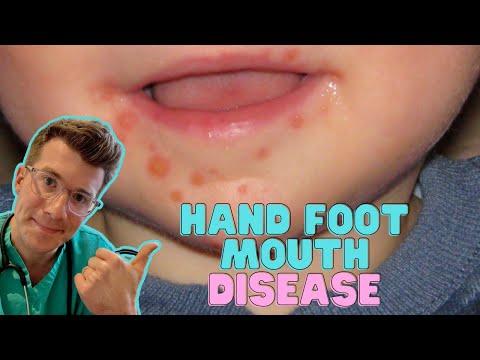
Hey there! So, have you ever heard of Hand, Foot and Mouth Disease? Sounds pretty scary, right? But trust me, it’s not as bad as it sounds.
This little bug mostly hits kiddos, but adults can get it too. You might notice some weird rashes and those pesky sores in the mouth. Ouch!
But don’t panic! It’s usually just a temporary thing. Still, knowing what’s up is super helpful when it hits close to home. So let’s dive into this tongue trouble together, okay? Buckle up; we’re going to tackle this topic with some real talk!
Understanding the Surge of Hand, Foot, and Mouth Disease: Causes and Implications
So, you’ve probably heard about Hand, Foot, and Mouth Disease (HFMD) buzzing around lately, right? This illness is kind of a pain, especially for little ones. It’s mostly seen in kids under 5, but older siblings and even grown-ups can catch it too. Let’s dive into what it is and why it’s popping up more these days.
HFMD is caused by a bunch of viruses—most commonly the coxsackievirus. This virus loves to hang out in places where kids gather, like daycare or school. It’s super contagious! A kid with HFMD can spread it through:
- Coughing and sneezing — those tiny droplets fly everywhere!
- Touching surfaces — if they cough on their hand and then touch a toy, the next kid who plays with that toy might get it.
- Direct contact — like sharing drinks or snacks.
You might be wondering why we’re seeing more cases lately. Well now, the thing is that after periods of social distancing (thanks to you-know-what), kids are back together again. Their immune systems are adjusting to all these germs they haven’t faced in a while. It’s like a big reunion party for viruses!
The symptoms usually pop up around 3 to 7 days after catching the virus. Think fever, sore throat, and those nasty blisters on hands and feet—ouch! Kids may also get sores in their mouths, which can make eating tricky. It’s not fun at all! But hey, most kids recover completely within a week or so without any serious issues. That’s kind of a relief!
If you have little ones at home or know someone who does, just keep an eye out for those symptoms and encourage good hygiene practices like washing hands regularly. Remember though: this isn’t something to panic about! Keeping everyone cozy at home until they feel better usually does the trick.
The truth is that while HFMD can be uncomfortable—and sometimes heartbreaking to watch your kiddo go through—it’s generally mild for most children. If you’re ever concerned about symptoms or how your child is feeling, definitely chat with a healthcare professional. They’re the best at giving guidance tailored just for your situation!
So there you have it! Understanding HFMD is just part of navigating parenthood or being around kids right now. Take care out there!
Understanding the Duration of Hand, Foot, and Mouth Disease Symptoms: How Long Does Tongue Involvement Last?
Hand, foot, and mouth disease (HFMD) is a common viral infection, especially in young kids. The name sounds a bit scary, but it’s usually not serious. One of the things that can happen with HFMD is tongue involvement. You might be wondering how long that lasts, right? Let’s break it down.
Generally speaking, symptoms of HFMD can show up anywhere from three to seven days after exposure to the virus. This includes those pesky sores on the tongue and other areas of the mouth.
The tongue involvement often looks like painful red spots or sores. They can make eating and drinking feel uncomfortable for kiddos (or even adults!). Typical symptoms on your tongue can hang around for about a week to ten days. So if you notice your little one complaining about their tongue feeling funny or sore, you could expect this to last a short while.
- The beginning: It often starts with a fever and some general yuckiness—think crankiness or not wanting to eat much.
- The oral sores: After a couple of days, those blisters pop up inside the mouth and on the tongue. Ouch!
- Duration: Typically, these sores last about a week before they start healing up. But they can make mealtimes tough!
- Recovery: It’s normal for everything to clear up completely within about ten days total.
I remember when my niece had HFMD; she was so cranky that I thought we had lost her for good! But after a few days of TLC (and some ice cream to soothe her sore mouth!), she bounced back like nothing happened. That’s pretty typical too—kids usually recover well without any lingering issues.
The thing is, if you ever notice any unusual symptoms or if something just doesn’t seem right, it’s always best to chat with someone who knows more than I do—like your healthcare provider! So keep an eye out but don’t stress too much; HFMD is often a part of growing up!
Top Creams for Effective Relief from Hand, Foot, and Mouth Disease
Alright, let’s chat about Hand, Foot, and Mouth Disease (HFMD). You’ve probably heard of it, especially if you have kids running around. It’s that viral illness that likes to mess with little ones, causing painful sores on their hands, feet, and even in the mouth. Fun, right? Well, not really. But there are some creams that can help ease those symptoms.
When it comes to HFMD, soothing the discomfort is key. Here’s a quick rundown of some creams you might want to keep an eye out for:
- Topical Pain Relievers: Creams containing ingredients like lidocaine can numb the painful areas. It’s like a mini-vacation for your mouth!
- Anti-itch Creams: If those sores start itching like crazy, something with hydrocortisone can help calm things down.
- Moisturizing Creams: Keeping your skin hydrated is super important. Look for creams that have natural ingredients like aloe vera or shea butter.
You know how sometimes just touching a sore makes you cringe? One time my niece got HFMD and was so frustrated with the pain in her mouth. I remember how she tried every trick in the book to get comfy again! Her mom used some soothing cream on her little cheeks and it made a world of difference.
The thing is—while these creams can help relieve discomfort from HFMD symptoms, they don’t actually cure the disease itself or replace professional healthcare advice. So always check in with a healthcare provider for proper guidance!
So there you go! HFMD is no picnic, but finding the right cream can definitely help make things a bit easier while you or your little ones recover.
Understanding the Signs of Recovery from Hand, Foot, and Mouth Disease
Hey there! So, let’s chat a bit about Hand, Foot, and Mouth Disease—a name that sounds a lot scarier than it is. It’s mainly a viral infection you see in little kids, but grown-ups can catch it too. Imagine those annoying little blisters on the tongue and inside the mouth; they can be pretty uncomfortable.
The good news? Recovery usually comes around within a week or so. But how do you know when someone is getting better? There are some signs to look out for!
- Fever dips down: A high fever often hits first. As they start to feel better, you’ll notice the fever disappearing.
- Mouth sores healing: Those painful blisters gradually fade away. When you see this happening, cheer up because recovery is on its way!
- Back to eating and drinking: If your kiddo was turning their nose up at food before, once they start munching again, it’s a great sign.
- Energy levels rising: Feeling tired is totally normal during the illness. Once they’re bouncing back with energy—maybe even wanting to play—that’s a win!
- No more new spots: If you see that no fresh spots or blisters are popping up, it’s a sign that things are looking good.
I remember when my niece had this. She was so cranky at first—poor thing couldn’t eat her favorite ice cream! But as soon as she got her appetite back, we all knew she was on the mend. It was such a relief!
So keep an eye out for these signs of recovery! Just remember: if you have any concerns or questions about your health or that of someone else, chatting with a healthcare professional is always the best move. They’ll give you the info you need without any worries!
So, let’s chat about Hand, Foot, and Mouth Disease (HFMD). It sounds way more terrifying than it really is, right? I mean, just saying it out loud gives it this intense vibe. But the truth is, it’s a pretty common viral illness, especially among kids.
I remember when my little niece caught it last summer. She had these tiny red spots on her hands and feet, and oh man, the poor kiddo was just miserable. I can still picture her sitting on the couch with her favorite blanket wrapped around her, looking up at me with big eyes full of confusion and discomfort. It was heartbreaking! But here’s the kicker: aside from being super contagious among little ones, HFMD is usually pretty mild and goes away on its own after a week or so. Phew!
The thing about HFMD is that it’s caused by different viral strains—most commonly Coxsackievirus. Sounds fancy, huh? But really? It just means that if one kiddo has it at school or daycare, you can bet others might get it too. You catch it through close contact—like sharing toys or even sneezes. Yikes!
Symptoms typically start with fever or a sore throat before those telltale rashes pop up. And trust me—when those blisters show up in the mouth and around the palms and soles of feet? Ouch! Eating anything can become a challenge. Just thinking about my niece’s sad little face while refusing her favorite popsicle still stings my heart.
Now some parents might panic when they see those spots getting all colorful like art gone wrong on chubby baby hands. And I totally get that! Who wouldn’t freak out seeing their munchkin in discomfort? But most of the time, all you really need is TLC: plenty of fluids to keep ’em hydrated and maybe some pain relievers if they’re feeling extra cranky.
So what should you do if your little one catches this? First off—don’t freak out! Stay calm because most cases resolve themselves without any stickiness like antibiotics or fancy treatments. Give them extra cuddles (like seriously—who doesn’t love snuggles?) and focus on keeping their spirits up while they heal.
And hey! As annoying as HFMD can be for everyone involved—it mostly happens in younger kiddos under five years old. So parents out there who are dealing with it now? You’re not alone! You got this!
Just keep in mind that while you’re running after your little ones trying to keep them cheerful while they’re not feeling well—even if they get sick again down the line—it’s usually a temporary bump in the road on their health journey.
At the end of the day though? You’ve done your best as a loving guardian! Just remember to wash your hands like crazy during an outbreak because prevention is key too! Happy parenting—and here’s hoping for fewer tongue troubles ahead!
