

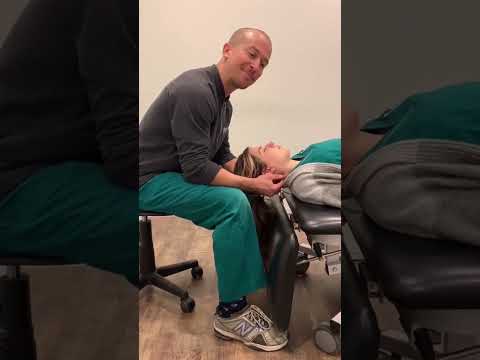
Hey there! So, let’s chat about something that really messes with your day—occipital headaches. You know, those pesky thumping pains that feel like they’re right at the back of your head? They can totally ruin a good time.
But here’s the thing: technology has got our backs! Seriously, it’s like having a secret weapon against those annoying headaches. From apps to devices that are all about relief, there’s a lot going on out there.
In this little dive, we’ll check out some cool tech solutions that might just help you kick those headaches to the curb. Ready? Let’s roll!
Understanding the Costs of Occipital Nerve Stimulation: Factors and Financial Insights
When it comes to managing occipital headaches, many people are looking at the latest tech solutions, like occipital nerve stimulation. This procedure can sound fancy and, honestly, a little intimidating. But understanding the costs involved can help you make better decisions.
First off, let’s talk about the initial costs. The price of the device itself can vary widely, often landing anywhere from a few thousand to tens of thousands of dollars. This doesn’t even cover the surgery to implant it. So, yeah, that part alone might make you gulp a little!
Then there’s the surgeon’s fee. Depending on where you live and who you choose, this could add significantly to your total bill. Some experienced surgeons charge more because they have great reputations or specialized skills. It’s a bit like choosing a restaurant—you get what you pay for!
Now let’s consider the follow-up care. After getting the device, you’ll probably have regular appointments for monitoring and adjustments. These check-ups usually come with their own costs—think copays or full fees if you’re not insured.
Speaking of insurance, that’s another biggie! Not all insurance plans cover occipital nerve stimulation. If yours does not—or covers only part of it—you might be hit with hefty out-of-pocket expenses. Double-checking your coverage is super important before diving in.
And let’s not forget about medications! Often after such procedures, people need pain management or other supportive drugs that can pile on more costs. Every pill adds up when you’re already dealing with medical bills.
In summary:
- The initial device cost can vary greatly.
- Surgeon fees might be pretty high based on expertise.
- Don’t overlook those follow-up appointments!
- Check your insurance coverage before making any decisions.
- Medications after surgery may add up too.
Understanding these factors will help you navigate the financial side of occipital nerve stimulation better—kind of like being your own healthcare detective! Just remember that this info doesn’t replace chatting with a healthcare professional who knows your specific situation best. Always go for expert advice where needed!
Revolutionary New Migraine Treatment Device: A Game Changer for Pain Relief
So, let’s talk about a super interesting new gadget that’s been making waves in the world of migraine relief. Seriously, if you or someone you know deals with those annoying headaches—especially those occipital ones that really get to the back of your head—you’ll want to listen up.
This device is a bit like the cool tech you might find in sci-fi movies. It targets specific nerves responsible for headache pain, and guess what? It does this through something called neuromodulation. Okay, let’s break that down: it’s a fancy way of saying it uses electrical signals to help calm down nerve activity. Pretty wild, huh?
Here’s a quick rundown of what this device can do:
- Non-Invasive: No needles or surgeries involved!
- User-Friendly: Easy to use at home or on-the-go.
- Customizable Settings: You can often adjust the intensity based on how you’re feeling.
- Portable: Small enough to fit in your bag—perfect for when life throws a headache your way.
Now, I remember my friend Sarah once telling me how debilitating her migraines could be. She would plan her outings around them, always worried about when one might hit. But after trying out something similar to this new device, she began regaining control over her life. She was able to enjoy concerts again without that constant fear!
But let’s keep our feet on the ground here; while these updates in technology are exciting and show promise, they’re not magic cures. It’s important to still check in with healthcare professionals about any treatment approach.
So, if you’re curious about this tech-driven approach for migraines that target those pesky occipital headaches—keep an ear out! It’s opening up a whole new chapter in pain relief options. And who knows? Maybe it could change the game for many folks dealing with regular migraines!
Occipital Nerve Stimulation: A Breakthrough Treatment for Migraine Relief
Occipital nerve stimulation might sound like something out of a sci-fi movie, but it’s becoming a real option for folks dealing with migraines. Imagine having a device that can help ease those mind-numbing headaches. Sounds pretty great, right?
The occipital nerves are located at the back of your head and play a crucial role in processing head and neck sensations. When these nerves get irritated or compressed, it can lead to intense pain, often felt in the form of migraines. Many people suffer silently through these episodes, hoping to find something that works.
This is where occipital nerve stimulation comes into play. It involves implanting a small device that sends electrical impulses to the occipital nerves. And guess what? These impulses might help interrupt the pain signals being sent to your brain! It’s like giving those nerves a little buzz to get them back on track.
- How does it work? The device is usually placed under your skin near the base of your skull and can be controlled externally.
- Who is it for? This treatment might be an option for people who don’t respond well to traditional migraine meds.
- What’s the catch? Like any procedure, there are risks involved, so chatting with a healthcare pro is key.
I remember my friend Sarah, who used to cancel plans because her migraines were so bad. She tried everything—medication after medication—without much luck. Then she learned about this technique and decided to give it a shot. Her life changed; she could finally go out without worrying about when the next wave of pain would hit her.
Remember, though! While stories like Sarah’s are encouraging, this information shouldn’t replace professional healthcare advice. It’s super important to talk things over with someone who knows their stuff before diving into any treatment options.
The world of medicine keeps evolving with new tech solutions like this one aimed at tackling chronic headaches. So if you or someone you know struggles with migraines, stay curious and keep searching for the right path!
Optimal Placement of TENS Unit for Effective Migraine Relief
So, let’s chat about TENS units and how they can help with those pesky migraines, especially the kind that hit you at the back of your head—those are called occipital headaches. You know, when that tension just seems to build up and pulse like crazy? Yeah, I feel you.
Now, a TENS unit is this nifty little device that sends low-voltage electrical currents through your skin. It aims to help with pain relief by interrupting those annoying pain signals your brain is trying to send. But here’s the kicker: placing those electrode pads correctly is key to getting the best results.
First things first, you’ll want to locate the occipital nerve. It’s pretty much where the neck meets the skull at the back of your head. When you find that spot, here’s where to put the pads:
- **Place one pad right on that occipital area**: Seriously, just above where your neck starts.
- **Put another pad a bit lower on your upper neck**: This helps cover more area and potentially eases some tightness.
- **Experiment with placement on either side of your head**: You might find relief by trying different spots around the base of your skull.
It’s all about finding what feels good for you. And if you’re not sure where to stick those pads or how much power to use? Don’t hesitate to check in with a healthcare pro. They can offer guidance tailored to you.
I remember my friend Sarah once tried it out during a particularly throbbing migraine episode. She said she felt a mix of weirdness and relief as soon as she got her TENS unit going right on her occipital region. After a few minutes, bam! The intensity dialed down; she could finally enjoy her favorite TV show without cringing every time there was a loud noise.
But keep in mind, TENS isn’t magic—it’s just one tool in a toolbox full of options for migraine relief. So make sure you’re talking with someone who knows their stuff about managing migraines while still taking care of yourself overall.
So there you have it! If you’re curious about using a TENS unit for migraines or headaches, remember: placement is everything! Just stay safe and know this advice isn’t meant as a replacement for professional care. Happy experimenting!
So, let’s talk about those pesky occipital headaches for a minute. You know, the ones that hit you right at the back of your head, kinda like someone’s poking you with a dull pencil? Yeah, those. I once had a week where it felt like my head was in a constant vice grip. I totally get how frustrating it can be.
Now, here’s the thing: technology is stepping in and shaking things up when it comes to tackling these headaches. It’s pretty wild, right? From apps that help you track your pain to smart devices designed to relieve pressure and tension, there’s just so much out there now.
Some folks are diving into wearable tech that can help monitor stress levels or even guide you through relaxation exercises. And let me tell you, being able to see your stress stats can sometimes be an eye-opener! I mean, one time I realized just how much my daily coffee fix actually stressed me out—who knew caffeine could crash your vibe that way?
And then there are specific apps tailored for headache relief. They offer everything from guided meditation to mindfulness techniques which honestly can feel like a warm hug for your brain after a long day.
But even with all these tech wonders popping up, it’s important to remember that they’re not miracle cures or replacements for chatting with a healthcare pro about what you’re going through. Technology is cool and all, but health is kind of complex—you know? So if you’re considering testing out some tech solutions for those occipital headaches of yours, maybe pair it with some good old-fashioned self-care too.
I mean, who wouldn’t want to combine the best of both worlds? Headaches might be part of life sometimes but finding ways to manage them can really make a big difference in your daily grind. What do you think? Have you tried any cool tech solutions?
