

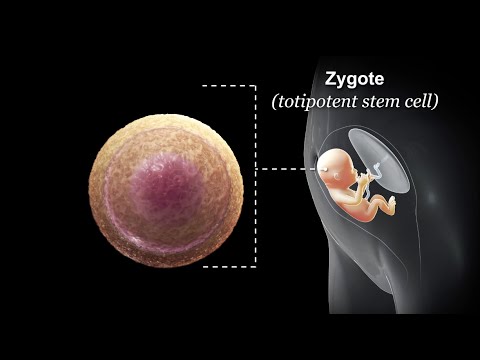
Hey there! Have you ever thought about how some cells in our body are like superheroes, ready to save the day? Well, that’s exactly what hematopoietic progenitor cells do. Sounds fancy, right? But don’t worry; we’re not diving into a science textbook here.
These little guys are all about creating blood cells. Yep, red blood cells, white blood cells—everything! They’re super important for keeping you healthy and fighting off nasty germs. It’s like having a tiny army working overtime inside you!
Now, imagine if we could harness their power even more. That’s where the magic happens! We’re talking about revolutionizing healthcare. This could change everything from treating diseases to maybe even healing injuries in ways we never dreamed of.
Intrigued yet? Let’s unwrap this topic together and see what it all means for our health future!
Exploring Stem Cell Therapy: Revolutionary Treatments and Future Applications
So, you’ve probably heard the buzz about stem cell therapy. It’s like the cool kid on the block when it comes to healthcare innovations. But what is it really all about? And how does it work? Let’s break it down in a way that makes sense!
First off, stem cells are special cells that can turn into other kinds of cells in your body. Think of them as the ultimate multitaskers. They can help repair tissues or even regenerate organs! One key player in this whole stem cell scene is hematopoietic progenitor cells. These are basically the superheroes of your blood system and are mainly found in bone marrow.
You might be wondering why these little warriors are so important. Well, here are some things to know:
- Blood Disorders: Hematopoietic progenitor cells can help treat conditions like leukemia or anemia.
- Regeneration: They can help your body rebuild after something goes wrong, like an injury or disease.
- Transplants: Doctors might use these stem cells in transplants to reintroduce healthy blood-forming cells back into the body.
A little story for you: I have a friend who once struggled with a serious blood disorder. After some tough times, he underwent a procedure that relied on his own hematopoietic progenitor cells. It was wild seeing him go from feeling weak and tired to buzzing with energy! That kind of turnaround is what gets people excited about stem cell therapy.
Now, let’s chat about future applications. Scientists are exploring how these stem cells could be used for even more than just blood-related issues. Imagine regenerating nerve tissue or even repairing heart damage! Sounds pretty sci-fi, huh?
But hey, before you get too carried away thinking this is magic medicine, keep in mind that while stem cell therapy shows big promise, it doesn’t replace seeing a healthcare professional if you have health concerns. Always reach out to someone who knows their stuff when it comes to your health.
The thing is, as research continues to grow and evolve, there might just be some incredible breakthroughs waiting for us down the road! Isn’t that exciting? So who knows what the future holds—maybe one day we’ll all be talking about how stem cell therapy totally changed the game in healthcare!
Understanding the Controversy Surrounding Embryonic Stem Cell Research
So, let’s dive into this whole thing about embryonic stem cell research. It’s kind of a hot topic, right? On one hand, these tiny cells hold a ton of promise for treating various diseases. They’re like superheroes waiting to be discovered! But on the other hand, there’s a lot of debate and strong feelings around how they’re obtained and used.
What Are Embryonic Stem Cells?
These cells come from embryos that are just a few days old. They can develop into almost any type of cell in the body, which makes them super valuable for research. Imagine being able to grow new heart cells or nerve cells from these small beginnings—it could change everything!
However, extracting these stem cells often means destroying the embryo. This is where people start getting really passionate about the subject. Some folks see it as ethically wrong to discard potential life, while others argue that the benefits could save lives. It’s tough to navigate through this emotional landscape.
The Role of Hematopoietic Progenitor Cells
Now, switching gears a bit—let’s chat about hematopoietic progenitor cells! These are another type of stem cell found in bone marrow that are involved in making blood cells. They offer an exciting alternative path for therapies because they can be harvested without controversy.
Think about it: you can use hematopoietic progenitor cells to treat diseases like leukemia without all the ethical gray areas tied up with embryonic stem cells! How cool is that? People are looking into using these types of cells to revolutionize healthcare without all the baggage.
Key Points in The Debate
- Ethical Concerns: Many worry about the ethical implications of using embryos.
- Potential Benefits: Advocates believe in their ability to cure serious diseases.
- Alternative Sources: Hematopoietic progenitor cells provide a less controversial option.
- Cultural Beliefs: Different beliefs play huge roles in how people view this research.
So yeah, there’s no easy answer here. It’s complicated and deeply personal for many people. Just remember that while this research has great potential, it doesn’t replace professional healthcare or expertise you might need when dealing with health issues. At the end of the day, it’s vital we have open conversations about such topics while being respectful towards varying opinions and beliefs.
Exploring Ethical Considerations in Stem Cell Use for Tissue Engineering
So, let’s chat about stem cells and the ethical stuff that comes with their use, especially in tissue engineering. It might sound complex, but hang on, I promise to keep it simple.
You might have heard of hematopoietic progenitor cells, right? They’re a type of stem cell that’s crucial for making blood cells. Now, using these cells can really shake things up in healthcare by helping us treat various diseases. But it also raises some big questions.
- Source of Stem Cells: One of the major ethical dilemmas is where we get these stem cells from. Some come from embryos, which many people feel is a no-go. Others are taken from adults or umbilical cords, which can be less controversial.
- Consent Issues: There’s also the matter of consent. Did you ever think about who gets to decide if a stem cell can be used? It’s essential that families understand what they’re agreeing to when it comes to donating these cells.
- Potential Misuse: And here’s another kicker—how might these stem cells be misused? Imagine a world where someone could create tissues or organs just for profit! Ethical guidelines are super important here to keep things fair and safe.
- Access and Equity: Lastly, not everyone has the same access to these amazing advancements. If only certain groups can benefit from them, isn’t that kinda unfair? We need to think about who gets treatment based on ethical principles too!
I once talked to a friend whose grandmother needed a transplant. They were looking into all kinds of treatments involving stem cells, but the ethical concerns made them hesitate. It’s like standing at a crossroads—exciting possibilities but serious choices ahead.
The thing is, while stem cells hold incredible potential for tissue engineering and beyond, we must navigate these ethical waters carefully. It’s not just about what we can do; it’s about what we should do too, right?
So remember this: as we explore the future of healthcare with these little powerhouses called stem cells, let’s keep those conversations going around ethics and humanity—because they matter just as much!
Exploring the Future of Stem Cell Therapy: Innovations, Challenges, and Breakthroughs
So, let’s chat about stem cell therapy. You’ve probably heard the buzz around it, right? Well, it’s one of those cool areas in medicine that’s really taken off. Today, we’re gonna focus on hematopoietic progenitor cells, a type of stem cell that can develop into various blood cells. They’re like little superheroes for our blood system!
Innovations in Stem Cell Therapy
Stem cell research is advancing pretty fast. Scientists are coming up with ways to use these progenitor cells to treat conditions like leukemia and other blood disorders. Imagine if people could get a fresh start with their health just by using their own cells! Isn’t that wild?
Challenges Ahead
Now, it’s not all sunshine and rainbows. There are some bumps on the road. For one, getting enough quality stem cells can be tricky. Sometimes they don’t grow as expected or there might be issues with immune responses when they’re introduced into a patient’s body. Plus, the whole thing gets complicated when you consider ethical questions that come up around using stem cells.
Breakthroughs We’re Seeing
Still, there have been some amazing breakthroughs! Researchers have been figuring out how to engineer these progenitor cells to enhance their abilities. Some studies are even looking at gene editing tools like CRISPR to correct genetic problems before the cells are used in therapy! Just think about all the possibilities – it could change lives.
In one instance, I remember reading about a kid named Alex who was diagnosed with a rare blood disease. With pioneering stem cell therapy using his own hematopoietic progenitor cells, he was able to get back to school and play soccer again! I mean, those moments are what keep researchers pushing forward.
So yeah, while we’ve made a storm of progress in the world of stem cell therapy—especially with hematopoietic progenitor cells—there’s still a lot of work to be done exploring its full potential. Always keep your ears open for updates and remember: this doesn’t replace talking to health professionals about your individual needs!
So, let’s chat about hematopoietic progenitor cells. Sounds fancy, right? But hang tight; it’s actually really interesting. These little guys play a huge role in our blood and immune system. Think of them like the ultimate multitaskers—they’re the cells that make your red blood cells, white blood cells, and platelets. Without them, well, you wouldn’t be feeling too hot.
I remember when my friend Sarah got really sick a couple of years back. It was tough to watch her go through endless treatments and a bunch of hospital visits. Then she learned about stem cells—specifically hematopoietic progenitor cells—and how they could potentially help her condition. It gave her so much hope! I mean, knowing that these tiny powerhouses could help restore her health was wild.
Now, what makes these progenitor cells revolutionary is their potential to treat various diseases like leukemia or lymphoma. They’re like superheroes for your immune system! Scientists are looking into ways to harness their power better and improve treatments—not just for blood-related conditions but even for genetic disorders.
But hey, it’s not all rainbows and unicorns. The process can be tough on the body, and there are still some obstacles to overcome in making sure it works for everyone. Each person is different; so finding that magic solution isn’t easy.
Still, the research keeps rolling in! Every year it feels like we’re one step closer to something amazing in healthcare thanks to these incredible cells. It’s exciting and a bit daunting at the same time—I mean, living through this medical revolution is kind of mind-blowing!
At the end of the day, while we don’t have all the answers yet, there’s definitely light at the end of the tunnel with hematopoietic progenitor cells leading the way in transforming healthcare as we know it. Wouldn’t you agree?
