

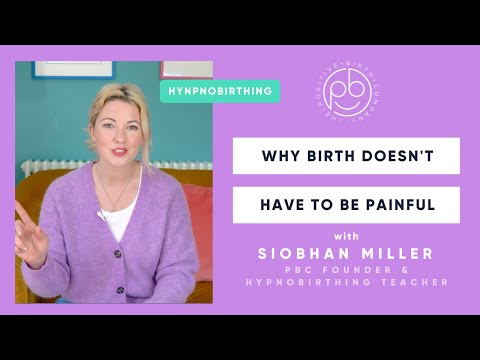
Hey there, mama-to-be! So, you’re gearing up for the big day? Exciting, right? But let’s be real: childbirth can feel a bit scary. I mean, who wouldn’t get a little jittery about it?
Here’s something that might just change your whole perspective: hypno birthing. Yep, it’s a thing! It’s all about using relaxation and visualization techniques to help you have a calmer birth experience. Sounds intriguing, huh?
Imagine this: instead of panic and pain, you could embrace relaxation and confidence. That’s what hypno birthing is all about! It’s like having your own little toolbox of tricks to make the journey smoother.
Ready to dive deeper into this magical approach? Let’s explore how hypno birthing could transform your birth experience into something beautiful and empowering!
Exploring the Downsides of Hypnobirthing: What Expecting Parents Should Know
Hey there! So, let’s chat a bit about hypnobirthing. It’s been getting a lot of attention lately as an alternative way to approach childbirth. But, just like anything else, it has its downsides too. If you’re an expecting parent thinking about this method, here are a few things you should keep in mind.
First off, **hypnobirthing** isn’t a magical wand that makes all pain vanish. You might still feel discomfort during labor. Some folks find that the techniques help them manage their pain better, but others may not experience the same relief. It’s kind of like trying to ride a bike—you can practice all you want, but when it comes down to it, sometimes you still take a tumble.
Another thing to consider is the **time commitment** involved. Learning and practicing these techniques can require quite a bit of effort and practice! Expecting parents often have packed schedules already with appointments and prepping for baby’s arrival. Making time for regular sessions could feel overwhelming.
Then we have the **perception of pressure** that some parents might feel—there’s this idea that if they don’t have this perfect hypnobirthing experience, they somehow failed. That’s just unfair! Birth is unpredictable; every experience is unique and beautiful in its own way—pressure can make it stressful instead of relaxing.
And let’s not forget about your birth team! Not everyone may be on board with hypnobirthing techniques or know how to support them properly. This could lead to misunderstandings or mixed messages during labor, which isn’t ideal when those vibes should be calm and supportive.
Lastly, there are expectations set by **social media** or hypnobirthing classes that might not match reality 100%. You know how everyone shares their perfect moments online? Real life can often look different than those highlight reels.
So yeah, while hypnobirthing can be a wonderful tool for many expecting parents out there—don’t forget it’s not one-size-fits-all! Just keep in mind what I’ve mentioned above if you’re considering diving into it.
Remember, whatever path you choose for your birthing experience should resonate with YOU and work best for your family. At the end of the day, being informed is what counts most!
Understanding the Hypno Birth Technique: A Comprehensive Guide to Mindful Labor and Delivery
Hypno birthing is all about using your mind to create a peaceful and calm birth experience. It blends relaxation techniques with visualization to help you feel more in control during labor. Seriously, who wouldn’t want that?
So, what’s the deal with hypno birthing? Here’s a breakdown:
- Relaxation: It teaches you how to relax your body and mind. Imagine a cozy blanket wrapping around you while you breathe deeply.
- Visualization: You can envision a beautiful, safe place. This might be a beach or a forest. The idea is to transport yourself mentally to reduce anxiety.
- Breathing Techniques: Special breathing patterns are taught that help manage pain. Think of it as your secret weapon during contractions.
- Self-Hypnosis: This means training your brain to enter a state of deep relaxation, which can help quiet those pesky anxious thoughts.
Let me tell you about my friend Sarah. She was super nervous about giving birth but decided to give hypno birthing a shot. She put together her playlist of soothing sounds and practiced the techniques weekly. When labor hit, she focused on her breathing and visualizations. You could see the calm wash over her, and honestly, it was inspiring!
Now, hypno birthing doesn’t replace any professional healthcare practices or policies in hospitals—it’s simply an approach that can complement traditional methods. So if you’re interested in exploring this path for your own experience, maybe consider chatting with someone who specializes in this area.
In sum, hypno birthing is all about using your mind for a smoother labor journey. Who knows? It might just make all the difference!
Optimal Timing: How Far in Advance to Start Practicing Hypnobirthing
So, you’re curious about hypnobirthing and when to jump into practicing it, huh? First off, let me say that hypnobirthing can really transform your birth experience. It’s all about using relaxation techniques to help you feel more calm and in control during labor.
Now, when it comes to timing, you generally want to start practicing at least 4 to 6 weeks before your due date. This gives you enough time to really get into the groove of things without feeling rushed or overwhelmed. Some folks even like to begin earlier—like around the second trimester—so they can soak up all the benefits long before labor starts.
- Relaxation Techniques: The sooner you start, the more familiar you’ll become with these techniques.
- Confidence Building: Practicing early helps build your confidence for that big day.
- Partner Involvement: If you’ve got a partner, getting them involved early on can make a huge difference.
I once had a friend who started her hypnobirthing practice at around 30 weeks. She said it felt amazing to have those peaceful moments every day leading up to her delivery. She even described how much more connected she felt with her baby! Sounds nice, right?
But remember, while practicing hypnobirthing can be super beneficial, it’s always best to chat with your healthcare provider about what feels right for you and your body. They can give advice tailored just for you. So, happy practicing!
Understanding the Cost of Hypnobirthing Courses: A Comprehensive Guide
So, you’re curious about hypnobirthing courses, huh? Well, let’s dive into it! Many expectant parents are discovering how these courses can totally transform their birth experiences. But first, you probably want to know—what are the costs involved?
Hypnobirthing courses can vary quite a bit in price depending on several factors. Here’s a quick rundown of what to expect:
- Location: The cost can change based on where you live. In big cities, classes might be pricier than in smaller towns.
- Format: Are you looking for in-person classes or online options? Online programs generally tend to be cheaper as they don’t involve travel or venue costs.
- Duration: Some courses last several weeks while others might be just a day or two. More extensive programs usually cost more.
- Materials Included: Some courses come with additional materials like books or meditation recordings, which can bump up the price a little.
You might find prices ranging from a couple of hundred dollars to around $1,000 or so for more comprehensive packages. It sounds like a lot, right? But consider it an investment—not just in the birth itself, but in your overall experience and connection with your baby.
I remember when my friend Sarah was pregnant; she decided to take a hypnobirthing course after hearing about how calming it could be. Honestly, she felt way more prepared and less anxious about labor. I mean, who wouldn’t want that feeling before giving birth?
If you’re thinking of taking one of these courses, keep in mind that this is all about finding what’s best for *you* and your family. And also remember that prices may fluctuate based on demand—so if you spot something reasonable, grab it!
This info should give you a clearer picture of what hypnobirthing courses might set you back financially. Just make sure you check on whatever details each program offers to see if it aligns with what you need! And always consult with health professionals if you’re unsure about anything related to your pregnancy.
You know, when I first heard about hypno birthing, I thought it was a little out there. It sounded kinda like some mystical magic or something. But then I remembered my friend Emma and her baby story. She was super anxious about giving birth, and honestly, who wouldn’t be? It’s a huge deal! Anyway, she decided to try hypno birthing classes, and wow, what a change in her mindset!
So here’s the scoop on hypno birthing: it’s all about using deep relaxation techniques to help during labor. It’s not just about breathing; it dives into visualizations and positive affirmations to keep you calm. Imagine walking into the delivery room feeling more like a serene goddess than a stressed-out person—it sounds great, right?
It’s fascinating how your state of mind can really impact your body. Studies show that reducing fear can lead to less pain and quicker births. Of course, every birth is different—I mean some people swear by the classic methods too—it’s all about what feels right for you.
Honestly though, I think Emma’s story really stuck with me because it showed how important mental preparation can be for something as intense as childbirth. She went from this panicky ball of nerves to someone who felt empowered and ready to welcome her little one into the world.
If you’re considering this route, maybe chat with someone who’s been through it or look for some local classes. Just remember that whatever path you take should feel good for you; there’s no one-size-fits-all here! It’s all about creating that magical experience in your own way—whether that’s through hypno birthing or any other method that resonates with you.
At the end of the day, it’s your journey! Enjoy every moment of it—you got this!
