

Hey there! So, let’s chat about something a bit tricky—infant hypoglycemia. You know, that thing where a little one’s blood sugar dips too low? It can sound super scary. I mean, no parent wants to see their baby in distress!
But here’s the thing: managing it doesn’t have to be all panic and chaos. There are smart strategies out there that can make life easier for you and your little munchkin.
I once watched my friend freak out when her baby had low blood sugar. She felt helpless, but once she learned a few simple tricks, everything changed! Seriously, it’s all about staying calm and knowing what to do.
So, let’s dive into some cool solutions to keep your tiny tot happy and healthy!
Comprehensive Protocols for Treating Neonatal Hypoglycemia: Best Practices and Guidelines
So, you’ve heard about neonatal hypoglycemia, huh? It’s basically a fancy term for low blood sugar in newborns. This can happen for various reasons, and it’s really important for folks taking care of those tiniest humans to know what to watch out for.
Firstly, it’s key to recognize the signs. Symptoms can include jitteriness, poor feeding, or even lethargy. Sometimes, babies might not show any obvious signs at all! That’s why monitoring is super important.
Now let’s get into some basics on how this is usually managed:
- Feeding: Offering breast milk or formula right away is often the first step. It helps boost those sugar levels quickly.
- Monitoring: Regular blood sugar checks are essential in the first few days after birth. Keeping an eye on those levels helps catch any issues early.
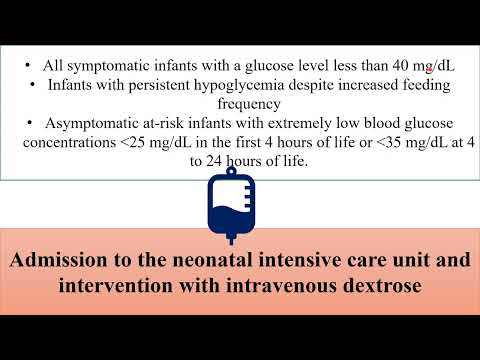
- Treating Low Levels: If a baby’s blood sugar drops too low, healthcare providers may give glucose either orally or through an IV if needed.
- Education: Parents and caregivers need guidance on recognizing symptoms and knowing when to seek help if something doesn’t feel right.
One thing I remember was when my neighbor brought home her little one. She was so nervous about everything! When her baby had a bit of a rough start with blood sugar levels, she felt overwhelmed. But once she got the hang of monitoring and feeding routines, you could see that weight lift off her shoulders!
In essence, understanding neonatal hypoglycemia is crucial for supporting our littlest ones. It’s all about being vigilant and knowing the steps to help keep them safe and healthy. Just keep in mind that no article can replace professional healthcare advice; always reach out to medical experts when needed!
Comprehensive 2023 Guidelines for Managing Neonatal Hypoglycemia
Neonatal hypoglycemia is a condition where a newborn’s blood sugar levels drop too low. This can happen for several reasons, like being born to a diabetic mom or if the baby is premature. It’s a serious issue since the brain needs glucose to function properly. So, let’s break it down into some key points you might find helpful.
First off, recognizing the signs of low blood sugar in babies is super important. Symptoms can include jitteriness, irritability, or lethargy. If you see these signs in a newborn, it’s crucial to get them checked out by a professional.
Now about management. The 2023 guidelines focus on some basic strategies:
- Monitoring: Keep an eye on your little one’s blood sugar levels regularly if they are at risk.
- Feeding: Early and frequent feeding can help raise their blood sugar levels.
- Supplementing: In some cases, healthcare providers might suggest giving formula or dextrose if breastfeeding alone isn’t enough.
- Treating underlying issues: If there’s something else going on that caused the low sugar level, that needs addressing too.
I remember when my cousin had her baby; the tiny guy was having trouble keeping his sugars up at first. They were worried sick! But with close monitoring and feeding guidance from their pediatrician, things got better pretty fast.
Also worth mentioning is that these guidelines stress collaboration within healthcare teams. Everyone from nurses to doctors needs to be on the same page to ensure the best care possible for those little ones.
In essence, while neonatal hypoglycemia might sound scary, understanding how it works and knowing what steps to take can really help manage it better. Just remember: none of this replaces talking with healthcare professionals who know best!
2024 Guidelines for Managing Neonatal Hypoglycemia: Best Practices and Recommendations
Managing **neonatal hypoglycemia** can feel like a challenge, right? But don’t worry, I’m here to break it down. So, what’s the deal? Neonatal hypoglycemia happens when a newborn’s blood sugar drops too low. This can be a big concern for parents and caregivers, but there are guidelines to help navigate this situation. Let’s dive into some best practices!
First off, it’s important to **monitor blood sugar levels regularly** in newborns, especially if they are at risk. Babies born to diabetic moms or those with low birth weight might need closer attention. Regular checks help catch any potential issues early.
Feeding is key. Feeding newborns as soon as possible after birth can help stabilize their blood sugar levels. Breastfeeding or formula feeding within the first hour is ideal. If the baby can’t feed well initially, healthcare providers will step in.
Also, skin-to-skin contact can promote better feeding and regulate the baby’s body temperature, which is super important! Have you ever heard about kangaroo care? It basically means holding your baby close against your skin. This not only helps them feel secure but also encourages them to feed more effectively.
Then there’s the importance of **knowing when to seek help**. If a baby’s blood sugar level is low and doesn’t improve with feeding, medical support is necessary. Healthcare professionals have tools and treatments that can quickly raise those levels safely.
And hey! Don’t stress too much about this stuff—if you’re ever unsure or worried about your baby’s health, checking in with a healthcare provider is always the way to go.
To wrap it up nicely:
- Monitor blood sugar levels regularly.
- Feed babies soon after birth (within an hour if possible).
- Practice skin-to-skin contact for better feeding.
- Know when to ask for professional help if needed.
Remember, managing neonatal hypoglycemia isn’t just about one thing—it’s a combination of monitoring and caring for your tiny human! These guidelines are there to support you through it all. You got this!
Nursing Management Strategies for Neonatal Hypoglycemia: PowerPoint Presentation
Hey there! So, let’s chat about a topic that’s super important in the world of newborn care—neonatal hypoglycemia. This is when a baby’s blood sugar drops too low, and it can happen for various reasons. The good news? Nurses have some smart strategies to manage this condition effectively!
First off, what is neonatal hypoglycemia? It’s basically when a newborn doesn’t have enough glucose in their blood. Think of glucose as fuel for the body; without it, babies might not thrive the way they should. That’s why nurses play such a critical role in monitoring and addressing it.
One effective nursing management strategy is monitoring blood sugar levels. Newborns are often checked for their glucose levels, especially if they’re at risk—like if they were born to diabetic moms or had a rough start during delivery. Regular checks can help catch any issues early!
Feeding practices are also crucial. Making sure that babies eat soon after birth can help stabilize their blood sugar levels. Breastfeeding or giving formula—whatever works best—can significantly impact those pesky sugar levels.
- Skin-to-skin contact: This isn’t just sweet—it promotes breastfeeding and can help keep the baby warm, which is great for overall health.
- Sugar supplementation: In some cases, if feeding alone doesn’t do the trick, nurses might give small amounts of glucose gel or even intravenous fluids under doctor supervision.
- Education: Teaching parents about signs to look out for is key! They should know what low blood sugar looks like and when to seek help.
You know, I once heard a heartwarming story about a nurse who spent extra time with new parents just to explain everything about hypoglycemia. They even practiced feeding techniques together! That really made a difference in easing their worries.
The truth is, managing neonatal hypoglycemia requires teamwork among healthcare professionals and families. Nurses are right there on the front lines, ensuring that little ones get the best start possible by using these smart solutions!
Always remember that info like this doesn’t replace chatting with your healthcare provider. But understanding it can make you feel more empowered whether you’re expecting or helping out new parents!
So, let’s chat about infant hypoglycemia. I mean, it’s a pretty big deal when we talk about new babies, right? Sometimes, their little blood sugar levels drop too low, which can lead to some serious issues if not managed well. Just thinking about it makes me feel for those tiny babes and their worried parents.
A friend of mine had a baby not too long ago. She was so excited but also super nervous about everything: feeding schedules, diaper changes, you name it. One day during her check-up, the doctor mentioned that they’d keep an eye on her newborn’s blood sugar levels because some little ones have trouble keeping those numbers stable at first. It hit me then how much pressure parents must feel when it comes to their baby’s health. Like, who wants to think about all that?
But here’s the good part! Nowadays, there are smart solutions popping up to help manage these situations more effectively. For example, continuous glucose monitors are becoming more common. Can you imagine? These little gadgets can track blood sugar levels in real-time! It’s like having a superhero for your baby’s health right on your phone.
And let’s not forget the educational resources available today! Parents can find tons of info online or in parenting groups that break down what signs to look for and how to respond if their babe is dealing with low blood sugar. So empowering!
Now don’t get me wrong—these tools are great but it’s still critical for parents to connect with healthcare professionals regularly because each little one is unique! That human touch? It goes a long way when you’re dealing with something so delicate.
Anyway, I guess what I’m saying is that while watching out for hypoglycemia is no small task, the advancements we see today are definitely helping ease some of the worries parents face—thank goodness for that! New moms and dads can take comfort knowing they’re not alone in this journey and there are ways to manage these bumps along the road with a bit more confidence.
