

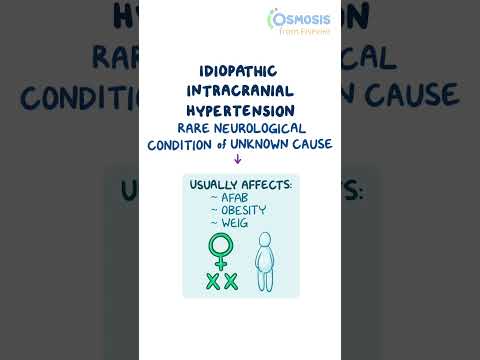
Hey there! So, have you ever heard of idiopathic intracranial hypertension? Sounds like a mouthful, right? But hang on. It’s actually super important to know about.
Imagine waking up one day with a throbbing headache that just won’t quit. And then, maybe your vision starts acting weird. Not fun at all! That’s the kind of thing people with this condition experience.
Basically, it’s when there’s extra pressure in your skull, and no one really knows why. That’s the “idiopathic” part—fancy talk for “we have no clue.” It can be confusing and sometimes scary.
But don’t worry! I’m here to break it down. We’ll chat about the symptoms and what they feel like so you know what to look out for. Sound good? Let’s dive in!
Understanding the Two Classic Late Signs of Increased Intracranial Pressure (ICP)
So, let’s chat a bit about something called increased intracranial pressure (ICP). It’s like when your brain is living in a really tight space and there’s just too much going on in there. It can happen for various reasons, and while it sounds super serious, knowing the signs is key to understanding it better.
When it comes to increased ICP, there are two classic late signs that you should be aware of: papilledema and Cushing’s triad. Let me break them down for you.
- Papilledema: This fancy term basically means that the optic nerve at the back of your eye gets swollen. Imagine trying to fit too many people into a tiny room – things get cramped! When there’s too much pressure in your skull, it can push against this nerve. You might notice blurred vision or even some changes in how you see things.
- Cushing’s triad: Okay, this is a bit more complicated but hang with me! It’s actually three specific symptoms that often show up together. First, you might see a drop in heart rate. Then there’s high blood pressure—sort of like your body’s way of freaking out about all that pressure inside. Lastly, irregular breathing patterns come into play too. All these are signals that your brain isn’t feeling so good!
You know, I remember talking with a friend who had experienced headaches like never before—intense ones—before realizing something was off. It turned out they had some increased ICP going on! It’s wild how our bodies give us clues.
Increased ICP can be serious business for sure; however, it’s super important to keep in mind that these symptoms don’t mean you’re definitely dealing with this condition. It’s really crucial to reach out to health professionals if you notice anything unusual happening with your body or if you’re concerned about ICP.
So yeah, knowing what to look for can help us take better care of ourselves and understand what’s happening inside our heads!
Identifying the Earliest Signs of Intrahepatic Cholestasis of Pregnancy (ICP)
Well now, let’s chat about something that can happen during pregnancy: **Intrahepatic Cholestasis of Pregnancy (ICP)**. It’s a bit of a mouthful, I know! So, what’s the deal with it? Basically, it’s a liver condition that can pop up when you’re pregnant, and it has some pretty specific signs you should keep an eye out for.
First things first, one of the earliest symptoms is **itchiness**. Imagine being itchy all over but with no rash or anything visible. Super annoying, right? This itching often happens on your hands and feet. You might think it’s just dry skin or allergies, but if it keeps bugging you, it’s worth mentioning to your healthcare provider.
Another thing to look for is **dark urine**. You know when you’ve been outside all day and need to drink more water? If your urine looks darker than usual—like tea—it could be a sign of ICP. It’s not just dehydration; it could mean your liver isn’t doing its job quite right.
You might also notice changes in the color of your stool. If it starts looking pale or clay-colored instead of the typical brownish hue, don’t brush that off either! Your body might be telling you something important.
And then there’s **fatigue**—the kind that feels different from just being tired from a long day. This is more like an overwhelming sense of exhaustion that doesn’t seem to go away with rest.
Now here’s where the emotional part comes in: I remember when my friend was pregnant and dealing with itchy skin and dark pee before she even knew what was going on. She thought she was just growing new baby bumps and stretching her skin but soon found out she had ICP. She felt relieved that she paid attention to her body; little did she know how vital those signs were!
So if you think you’ve got symptoms like these:
- Itching without any rash
- Dark urine
- Pale stools
- Unusual fatigue
Don’t hesitate to reach out to a professional! Remember though, I’m not here to diagnose or treat anything; what I’m saying is just for information—it doesn’t replace talking to a healthcare expert who knows their stuff.
At the end of the day, keeping an eye on how you’re feeling during pregnancy is super important. Trust your instincts; they can guide you through this crazy journey!
Identifying Intracranial Hypertension: The Three Key Signs You Need to Know
So, let’s chat about something called **intracranial hypertension**. That’s a fancy way of saying there’s too much pressure inside your skull. Yeah, it sounds a bit scary, but understanding the signs can be super helpful.
Now, the thing is, you might be wondering how to spot this condition. Well, there are three key signs that often pop up. Let me break them down for you:
- Headaches: These are not just your regular headaches. We’re talking about persistent ones that can feel like a bad hangover or even worse! They may get worse with certain movements or when you cough.
- Vision Changes: You might notice things like blurred vision or even seeing flashes of light. Sometimes people experience double vision too. Not fun at all, right?
- Nausea and Vomiting: This isn’t just because of something you ate! If you’re feeling nauseous often and find yourself throwing up without any clear reason, it could be related.
I remember a friend who kept complaining about headaches and feeling like she was in a fog all the time. At first, we thought it was just stress from work—who doesn’t get that? But when she mentioned her vision going wacky sometimes, we knew it was time to seek professional help.
Anyway, if you start noticing any of these signs in yourself or someone close to you, it’s really important to talk to a doctor or healthcare provider. They know their stuff way better than any blog out there! Just remember: staying informed is key, but nothing beats professional advice when it comes to your health.
Understanding the 4 Stages of Intracranial Hypertension: Symptoms, Causes, and Management
Hey there! So, let’s have a little chat about intracranial hypertension (IH). This is when there’s too much pressure inside your skull. Sounds intense, right? It can be a bit scary, but understanding it better can really help! There are four stages of IH, and I’m here to break them down for you in a way that makes sense.
Stage 1: Symptoms
The first stage is all about the symptoms. People might notice things like:
- Headaches that just won’t go away
- Blurred vision or double vision
- Nausea and dizziness
- Tinnitus (ringing in the ears)
It’s like having a really annoying guest that keeps showing up at your party and refuses to leave!
Stage 2: Causes
This stage dives into why this happens. Some common causes include:
- Obesity, which can increase pressure
- Certain medications that mess with your body’s fluid balance
- A blood clot in the brain or other medical issues affecting blood flow
- This thing called idiopathic intracranial hypertension where doctors aren’t sure why it happens.
Stage 3: Effects on Daily Life
Navigating daily life with IH can be tough. You might find yourself needing to adjust your plans because of those pesky symptoms. It could mean taking breaks more often or finding quiet places if noise is overwhelming. Believe me, I’ve been there!
Stage 4: Management Strategies
This stage focuses on how people can manage their symptoms. While *this doesn’t replace professional healthcare*, some general strategies include:
- Losing weight if it applies – even small changes can help!
- Taking medications that reduce pressure on the brain.
- A lumbar puncture (spinal tap) may sometimes be done to relieve pressure directly.
- Regular check-ups with a healthcare provider ensure everything’s monitored properly.
The thing is, staying informed about IH is super important. If you ever feel any of these symptoms popping up more frequently, chatting with a healthcare professional is key. Remember, you don’t have to navigate this alone; support is out there!
Okay, so let’s talk about idiopathic intracranial hypertension (IIH) – a mouthful, right? But it’s super important to know about. I mean, this condition can really throw a wrench in someone’s day-to-day life. It’s one of those health things that can sneak up on you and mess with your head—literally!
Picture this: my friend Sarah started having these crazy headaches. You know, the kind that feel like a marching band is practicing inside your skull. At first, she thought it was just stress or maybe dehydration from too much coffee (don’t we all?). But then she noticed other stuff happening. Her vision got blurry sometimes, and she felt dizzy now and then. Talk about alarming!
So IIH happens when there’s an increase of cerebrospinal fluid pressure around the brain without an obvious reason—hence the “idiopathic” part. It’s like your brain is swimming in fluid that’s just too high! Symptoms can be sneaky and vary from person to person but often include headaches (the intense kind), ringing in the ears, and changes in vision, like seeing halos around lights.
I mean, can you imagine going through life feeling like you’ve got a cloud of pressure sitting on your head? That’s how Sarah described it; she felt foggy all the time! And here’s where it gets even more frustrating: since there aren’t clear-cut causes or tests specifically for IIH, people often bounce around from doctor to doctor searching for help.
It’s important to keep in mind that if you’re sensing something’s off with your body—hey, it’s cool to trust those vibes! Listening to yourself is key ‘cause you know yourself best. If symptoms are nagging at you or getting worse each day (like they did for Sarah), don’t hesitate to reach out for support.
So while IIH might sound scary or confusing at first glance, knowing what symptoms to watch out for can really empower people to take action and advocate for their health. Just remember: if you’re ever feeling lost or worrying about something health-related, talking it over with a healthcare pro is always the best move. You’re not alone in this journey!
