

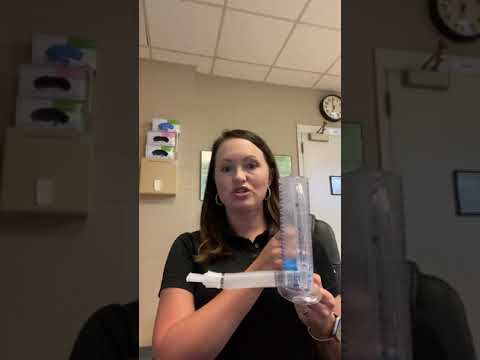
Hey there! So, let’s talk breathing. Sounds simple, right? But if you’ve ever felt winded or struggled to catch your breath, you know it’s not always that easy.
Enter incentive spirometry. Yup, it’s one of those things that sounds a bit fancy, but it’s all about helping you breathe better and stronger. Seriously! It’s like a fun little gadget encouraging your lungs to do their thing.
Picture this: You’ve just had surgery or dealt with some health issues, and now you’re trying to get back in the game. That’s where these innovative devices come into play—they really do make a difference!
So, stick around and let’s dive into how these tools can help you get those deep breaths back in no time. Trust me; you don’t wanna miss this!
Understanding Incentive Spirometers: Benefits, Usage, and Best Practices for Lung Health
Hey there! Let’s chat a bit about incentive spirometers. You might have seen one in a hospital or heard about it from someone who’s had surgery. These nifty little devices help you breathe better and are pretty important for lung health. So, how do they work? Well, buckle up!
Incentive spirometers are designed to encourage deep breathing. When you take deep breaths, your lungs expand better, helping to clear out mucus and prevent complications after surgery or during recovery from illness. Think of it like giving your lungs a workout!
Now, let’s dive into some benefits:
- Improved Lung Function: Regular use can help keep your lungs clear and functioning well.
- Avoiding Complications: They can help prevent issues like pneumonia, especially after surgery.
- Recovery Speed: Using one can speed up recovery times by promoting better breathing patterns.
Your doctor or nurse will probably show you how to use an incentive spirometer correctly. It’s super simple! Basically, you hold the device upright and breathe in slowly through the mouthpiece. Try to keep that little ball or indicator in the target zone. Some folks find it motivating—kind of like a video game!
If you’ve ever had to breathe deeply after being sick or recovering from surgery, you know it’s tough sometimes. I remember my friend Jake had knee surgery and struggled with shallow breaths at first. But once he got the hang of the spirometer, he felt much more comfortable and was able to relax while boosting his lung capacity.
So here’s a little rundown on best practices:
- Breathe In Slowly: Go slow! Taking quick breaths isn’t the goal here.
- Hold Your Breath: Try holding that deep breath for 3-5 seconds before exhaling.
- Do It Regularly: Set reminders to use it several times daily; routine helps!
The thing is, while these devices are super helpful for lung health, they’re not a substitute for professional healthcare advice. Always follow your healthcare provider’s instructions when using an incentive spirometer. It’s all about working together towards better health!
You got this! Remember: every deep breath counts.
Effective Guide to Using a 3-Ball Incentive Spirometer for Optimal Lung Health
Okay, let’s talk about this nifty little device called the 3-ball incentive spirometer. Sounds fancy, right? It’s actually a pretty simple tool designed to help you improve your lung health. You might be thinking, “What even is that?” Well, I’m here to break it down for you!
The basic idea is that this spirometer encourages you to take deep breaths. And why is that important? Because deep breaths help expand your lungs. Think of it as exercising for your lungs! This can be super helpful after surgery or when you’re feeling a bit under the weather.
- How does it work? When you inhale through the mouthpiece, it makes the balls inside rise. The goal is to get those balls as high as possible! Easy peasy.
- Why use it? Deep breathing can prevent complications like pneumonia and improves overall lung function.
- When should you use it? It’s usually recommended several times a day, especially if you’re recovering from something like surgery. Just set a time for yourself—perhaps after meals or right before bed.
You know what helps? Keeping track of your progress. Grab a notebook or use your phone to note how high those balls go each time. Celebrate those little victories; they add up!
But hey, don’t forget—the spirometer isn’t a magic cure-all. It’s just one part of looking after your lung health! Always check in with healthcare professionals about how and when to use it.
You might find it helpful to think of using the spirometer like blowing up balloons at a party. The more you practice filling them with air (in this case, oxygen!), the better you get at it! So grab your 3-ball incentive spirometer and start breathing deeply today—you got this!
Understanding the Normal Range for Incentive Spirometer Readings: A Comprehensive Guide
Sure! Let’s dive into the topic of incentive spirometers and their readings in an easy-going way.
An incentive spirometer is, like, a super handy device used to help you take deep breaths. If you’ve had surgery or are recovering from an illness, this little gadget encourages you to expand your lungs and breathe better. It’s all about keeping those lungs healthy!
Now, what about those readings? Well, the normal range for incentive spirometer readings can be different for everyone. But generally, they’re based on your age, sex, height, and weight. So there’s no “one size fits all” number here!
Here are some key points to keep in mind:
- Baseline Readings: When you start using the spirometer, it’s great to have a baseline reading from a healthcare provider. This gives you something to compare against.
- Aim High: Most people aim for at least 900 mL as a target—though this can vary! Your healthcare team will help set your personal goals.
- Track Progress: Watching those numbers go up is super motivating! If you see improvements over time, that’s a win!
- Common Variations: Remember that factors like lung capacity and physical fitness level can change your numbers day by day.
Let me tell you a quick story: My friend Sarah had major surgery a while back. She was really nervous about using her spirometer at first. But after figuring out how it worked and setting small goals each day—she totally crushed it! She went from struggling to reach 500 mL to hitting over 1,000 mL in just a couple of weeks. It made such a difference in her recovery!
So remember, it’s essential to keep an eye on your numbers but don’t stress too much about them. If you’re unsure or feeling off about what your readings mean, definitely chat with a healthcare professional—they’re the ones who can provide personalized insights tailored just for you.
Breathing deeply has its perks! Just keep making those little strides every day. You got this!
Incentive Spirometer Goals by Age: A Comprehensive Guide for Optimal Lung Health
So, have you ever heard of an incentive spirometer? It’s one of those cool devices that help you take deep breaths. Honestly, it might sound like something out of a sci-fi movie, but it’s actually a simple tool used mainly after surgery or during recovery from certain illnesses. It encourages you to really fill your lungs up with air, which is super important for keeping your lungs healthy.
Now, the goals for using an incentive spirometer can kinda change based on your age. Let’s break it down a bit, so it makes sense.
Kids (under 12 years)
For younger folks, the main aim usually revolves around making these exercises fun! Kids can aim for about 10 breaths every hour while they’re awake. Using stickers or rewards for hitting their targets can really motivate them. It’s all about making breathing feel like a game!
Teens (13-19 years)
Teens might be a little more serious about things—so here, we can set the bar higher. The goal could be around 10-15 breaths every hour. It’s important they keep track of how they’re doing. Sometimes they may need to chase down that feeling of accomplishment just like they do in their sports or studies!
Adults (20-64 years)
For adults in this age range, the focus shifts more towards lung capacity and recovery. Aim for 10-20 deep breaths every hour. This helps not only with healing but also boosts overall lung function. Keeping track is crucial too—because who doesn’t love checking things off a list?
Seniors (65+ years)
Older adults often benefit greatly from incentive spirometry because lung health can become trickier with age. The target here might be about 5-15 breaths every hour. Sometimes simplicity matters—just reminding them to breathe deeply can have tremendous effects on their well-being.
Now remember, this is all about encouraging good habits and monitoring how well you’re doing with these deep breathing exercises! It’s essential to consult with healthcare providers since they’ll personalize recommendations based on individual health needs.
Anyway, using an incentive spirometer isn’t just another chore; it’s a small step toward better lung health and recovery in different life stages!
So, breathing, right? It’s one of those things we take for granted until it becomes a struggle. Not too long ago, my friend Sarah was in the hospital after a surgery. She was doing okay, but every time she tried to take a deep breath, you could see the discomfort on her face. It kinda hit me hard. Here’s someone so full of life suddenly having trouble with something so basic.
This is where something called incentive spirometry comes into play. It sounds like a mouthful, but really it’s just a fancy way to encourage deeper breathing. Think of it like a fun game for your lungs! There are these little devices that look like toys but serve an important purpose: they help people use their lungs properly after surgery or if they’ve had any issues that made them breathe shallow.
Now, here’s the cool part—modern incentive spirometers have come a long way! Instead of just being that old-school plastic gadget from hospitals, some new versions are all about making things interactive and engaging. Seriously, some even connect to apps on your phone! You can track your progress and set goals while getting rewarded for hitting those milestones. How cool is that? I mean, who doesn’t love some extra motivation?
So while Sarah was working her way back to normalcy in the hospital, I couldn’t help but wonder how much easier it might have been with these new solutions floating around. Instead of just blowing into a tube and feeling bored out of her mind, she could have gamified the whole experience. It’s amazing how technology is making even our basic health practices feel more engaging and less like a chore.
But you know what? Regardless of how advanced these tools get, at the heart of it all is still that simple act: breathing. It reminds us of our humanity—and when we can share this journey with innovative solutions that make it fun—well now that’s pretty awesome! Just remember, though; it’s always important to talk to healthcare folks about what suits you best before diving headfirst into any new gadget or tech.
So next time you do something as simple as taking a deep breath—or maybe you’re supporting someone who needs help with their breathing—think about how far we’ve come in making these moments easier and more rewarding! And who knows? You might even find yourself smiling while inhaling deeply!
