

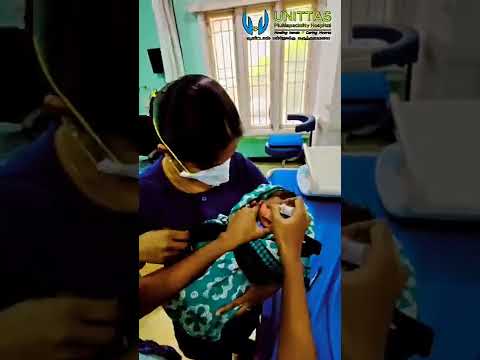
Hey there! So, let’s chat about something super important today—your IPV vaccine schedule. Yeah, I know, vaccines aren’t the most exciting subject. But hang on! This one’s a game changer.
You might be wondering, what’s IPV even about? Well, it’s basically your ticket to staying protected against polio. Yup, that pesky virus that can cause big trouble if we’re not careful.
But here’s the thing: keeping on top of your vaccine schedule can feel a bit overwhelming sometimes, right? Life gets busy with work, kids, and all those errands. So let’s break it down together and make sure you stay on track without losing your mind in the process.
You got this!
Understanding IPV: Its Role and Significance in the Immunization Schedule
Hey there! Let’s chat about IPV, or inactivated poliovirus vaccine. It plays a pretty important role in keeping our little ones healthy, so let’s break it down.
First off, IPV is a vaccine that helps protect against polio, a virus that can cause serious illness. The awesome thing about it? It uses a killed version of the virus, which means it can’t cause the disease itself but still trains your immune system to recognize and fight it off.
Now, where does IPV fit into the immunization schedule? Here’s what you should know:
- Timing is Key: IPV is typically given in four doses—at 2 months, 4 months, 6-18 months, and then between 4-6 years old.
- Boosting Immunity: Each dose works to boost your child’s immunity and makes sure they’re protected as they grow. Missing a dose can leave them vulnerable.
- A Global Effort: Thanks to vaccines like IPV, polio has been eliminated in many parts of the world. That’s something to celebrate!
But let me tell you a little story. My friend Jenna missed her kid’s first dose of IPV because life just got crazy with work and family stuff. She thought it was no big deal until she read about polio outbreaks happening elsewhere. That was an eye-opener for her! She quickly got back on track with the schedule.
The thing is, staying up-to-date with vaccines like IPV not only protects your child but also helps keep our communities safe from outbreaks. So if you’re ever unsure or have questions about vaccines or scheduling—talk to your healthcare provider! They’re there to help guide you through this journey.
Just remember: being proactive with vaccinations is one of the best things you can do for your child’s health!
Current Polio Vaccination Schedule: Key Dates and Guidelines for Parents
So, let’s talk about the polio vaccination schedule. It’s super important for keeping our kiddos safe and healthy. Vaccines are like a shield against diseases, and polio is definitely one we don’t want to mess with.
Now, the vaccine you’re gonna be hearing about is called the **Inactivated Poliovirus Vaccine (IPV)**. It’s given in a few doses throughout your child’s early years. Here’s the general timeline you should keep in mind:
- First Dose: Between 2 and 4 months of age.
- Second Dose: Between 4 and 6 months.
- Third Dose: Between 6 to 18 months—this one’s often called a booster.
- Fourth Dose: Between 4 and 6 years.
The thing is, sticking to this schedule helps ensure your kiddo gets the best protection possible. Oh, I remember when my friend was a new parent; she was so nervous about keeping track of all these dates! But trust me, once you mark them down or set reminders on your phone, it becomes part of that normal routine.
It’s also worth noting that if you miss a dose, don’t freak out! Just contact your healthcare provider—they can help you get back on track without any stress.
And remember, this info is just here to help guide you. For medical advice or specific questions about your child’s health, always chat with a healthcare professional. They’re the experts after all!
So there you have it—keep an eye on those dates, stay on track with your IPV vaccine schedule today! It really makes a world of difference for everyone.
Understanding the Difference: IPV vs. Polio Vaccine Explained
So, let’s chat a bit about vaccines, specifically the IPV and polio vaccine. You might have heard these terms tossed around before, but what’s the difference? Well, it’s not as complicated as it sounds!
First off, **IPV** stands for **Inactivated Poliovirus Vaccine**. This vaccine is all about preventing polio, which is a serious disease caused by the poliovirus. The IPV contains killed versions of the virus, so it can’t make you sick. Sounds pretty safe, right? It helps build your immune system so that if you ever come into contact with the live virus, your body knows how to fight it off.
Now, let’s talk about the **polio vaccine** in general. When people mention this term, they might be referring to both IPV and OPV (Oral Poliovirus Vaccine). OPV uses weakened live viruses and is taken by mouth. It can actually help stop transmission of polio in communities because those who get OPV can pass on some immunity to others—kind of like sharing cookies at a party! But since OPV can rarely cause polio on its own in a small number of cases, many countries have switched to IPV.
Here are some key points about each:
- IPV: Uses killed virus; no risk of causing disease.
- OPV: Uses weakened virus; can cause rare cases of disease.
- IPV: Given via injection; more commonly used now in many places.
You know what? I remember when my little cousin had his vaccinations. He was scared and didn’t want that needle coming at him! But after he got through it (with a sticker as a reward), he felt like such a champ. That’s how important these vaccines are—keeping us safe from nasty illnesses like polio!
So remember, keeping track of your vaccination schedule is super essential for you and your loved ones. By getting vaccinated with IPV on time, you’re taking an important step towards staying healthy!
And just a little reminder here: This info doesn’t replace talking to a healthcare pro about vaccines or any health questions you might have. That’s super important! Stay healthy out there!
Essential Guide to the IPV Catch-Up Vaccination Schedule for Children
Hey there! Today, let’s chat about something super important for your little ones: the **IPV vaccination schedule**. You know, keeping track of these vaccinations can feel a bit overwhelming, but it’s essential to keep our kiddos healthy.
So, what’s IPV? It stands for **Inactivated Poliovirus Vaccine**. It helps protect children against polio, which is a serious disease that used to cause paralysis. We definitely don’t want that!
Now, if you missed a dose or your child is just now starting their vaccinations, don’t sweat it! There’s a **catch-up schedule** to help you get back on track. Here’s the lowdown:
- Initial Doses: Usually given at 2 months and 4 months of age.
- Additional Dose: A booster shot is typically administered between 6-18 months.
- Final Dose: A last shot is given between ages 4-6 years.
If your child hasn’t started yet or missed any doses, they can still follow this catch-up schedule. For example, if your kiddo is older than recommended but hasn’t had any IPV shots yet, they can still receive them.
You might wonder: “What if my child goes through the schedule faster?” That’s where things get interesting! They can catch up without restarting the whole thing. Just ensure they complete the series as soon as possible!
And I totally get it—life gets busy! Between school and extracurriculars, keeping up with health appointments can slip down your list of priorities. Just remember how crucial those vaccines are in protecting against diseases.
So make sure you’re checking in with your healthcare provider regularly to see where your child stands with their vaccinations. Having them vaccinated on time helps not just them but also protects others around them.
Seriously, don’t ignore those appointments; they’re key to keeping our little explorers safe and healthy! Stay on top of that IPV vaccination schedule because every shot counts when it comes to our kids’ well-being!
You know, getting vaccinated is one of those things that can feel a bit overwhelming sometimes. Like, you think you’ve got it all figured out, and then you hear about boosters and schedules – ugh! But here’s the thing: staying on track with your IPV vaccine schedule can really make a difference.
I remember when my little cousin was due for his vaccines. His mom was so stressed about making sure they didn’t miss anything. It was a bit chaotic; she had notes everywhere and kept checking the calendar. I mean, she wanted to do everything right for him, and honestly, it’s such a huge responsibility.
But then they found this awesome app that reminded her of the upcoming doses. It was such a relief! They were able to stay on top of it without feeling like they were drowning in paperwork or deadlines. And guess what? That simple reminder made all the difference in keeping him protected from diseases.
Keeping an eye on your IPV vaccine schedule is really about taking care of yourself and those around you. So many people tend to forget or just put it off, thinking there will be plenty of time later. But life gets busy – we have work, kids, hobbies… things just pile up!
And let’s be honest: no one wants to get caught up in something serious because they didn’t keep track of their shots. Staying up-to-date isn’t just for you; it helps create that community immunity vibe as well.
So whether it’s setting reminders on your phone or jotting down dates in your planner, find what works for you. You’ll feel good knowing you’re doing the right thing for yourself and your loved ones.
Just remember: while I’m sharing my thoughts here, nothing beats checking in with a healthcare professional for proper guidance. Staying informed is key!
