

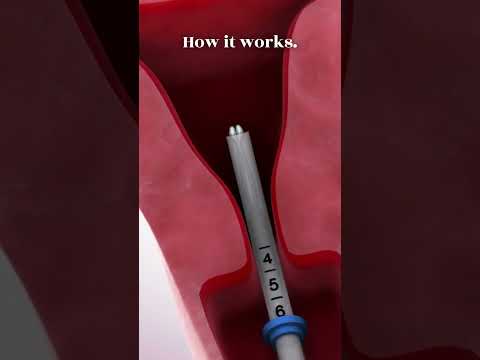
Hey there! So, let’s talk birth control. I mean, it’s a big deal, right? You want something that fits your life, not the other way around. Enter the Kyleena IUD.
This little device is like the unsung hero of contraception. Seriously! It’s super effective and can last for up to five years. Imagine just setting it and forgetting it—sounds dreamy, doesn’t it?
But wait! Before you roll your eyes or think, “Not another boring health topic,” stick around. I promise this chat about Kyleena is gonna be anything but dull! We’re diving into what makes it a solid choice and how it’s empowering women to take charge of their reproductive health. Ready? Let’s do this!
Comparing Kyleena and Mirena: Key Differences, Benefits, and Considerations
So, you’ve been hearing a lot about IUDs, especially Kyleena and Mirena, right? You might be wondering what the fuss is all about. Let’s break it down in a way that makes sense.
Kyleena and Mirena are both forms of the intrauterine device (IUD), which is a little T-shaped thingy your healthcare provider can place in your uterus. They’re both great options for birth control, but they do have their differences.
Hormone Levels: One of the biggest differences between Kyleena and Mirena is the amount of hormones they release. Kyleena releases a lower dose compared to Mirena. This can be good if you want something that might lead to fewer side effects for some folks.
Duration of Use: Now, here’s another thing – you can keep Mirena in for up to 7 years, while Kyleena is good for about 5 years. So if longevity matters to you, that’s something to consider.
Menstrual Changes: Both IUDs may cause changes in your period, but they could affect you differently. Some people using Mirena might experience lighter periods or no periods at all over time – which can be pretty nice! With Kyleena, lighter periods are common too, but not everyone will stop bleeding entirely.
Insertion and Removal: When it comes to putting them in or taking them out? Well now, both procedures are similar and usually quick. Some folks report that Kyleena feels a bit less intense during insertion since it’s smaller.
So, when thinking about which one to choose? It honestly comes down to personal preference and what feels right for your body. You might want to chat with your healthcare provider to find out more about how these two stack up against each other based on your lifestyle.
It’s cool to have options! Just remember that whatever route you decide on should match what works best for you personally—it really depends on how your body responds. And always keep in mind this info isn’t a substitute for professional healthcare advice!
Understanding Kyleena IUD Side Effects: What You Need to Know
Sure! Let’s chat about the Kyleena IUD, one of those nifty little birth control gadgets that can be quite popular among women. It’s a small, T-shaped device that goes in the uterus and can help keep things in check for up to five years. Sounds pretty cool, right? But like any birth control method, it can come with some side effects.
First off, let’s talk about common side effects. A lot of people experience changes in their periods. You might notice your periods becoming lighter or even disappearing altogether after some time. Honestly, this can be a huge relief for many women who deal with heavy bleeding!
However, not everything is sunshine and rainbows. Some women report cramping or discomfort after getting the IUD inserted—it’s kinda like a bad menstrual cramp but totally worth it for the long-term benefits. And then there are hormonal side effects, which might include mood swings or some weight gain for a few folks. It’s important to remember that everyone reacts differently though.
There are also some less common but more serious potential side effects to keep in mind. For example:
- Puncture of the uterus: Though super rare, this can happen during insertion.
- Infection risk: There’s a small chance of infection right after getting it put in.
- Ectopic pregnancy: If you do get pregnant with an IUD in place, it may occur outside the uterus.
Now here comes my little story! A friend of mine decided to go with Kyleena after having her second kiddo because she wanted something reliable but low maintenance. Initially, she was worried about cramps and bleeding but guess what? After those first few months, she barely had a period! She felt empowered knowing she didn’t have to think about birth control every day.
So yeah, choosing an IUD like Kyleena is a personal decision—just like trying on different shoes until you find your perfect fit! Always have that convo with your healthcare provider because they know your history best and what might work for you.
To wrap it up: while Kyleena has some potential side effects—most are manageable and not everyone experiences them. Just stay informed and talk things through with someone who knows their stuff so you can make the best choice for yourself!
Understanding the Kyleena Lawsuit: Key Facts and Legal Insights
Okay, so let’s chat about the Kyleena lawsuit and what it’s all about. Kyleena is a hormonal IUD, and lots of women love it for its convenience. But recently, some legal stuff has popped up that you might want to know about.
First off, let’s break down what the lawsuit is really focusing on:
- Health Concerns: Some women have reported serious side effects after using Kyleena. These include pain, bleeding, or even complications with removal. The lawsuit claims that these risks weren’t communicated clearly.
- Manufacturing Issues: There are questions about whether the company followed proper guidelines in making and marketing Kyleena. If they cut corners, that’s a big deal.
- Informed Consent: One of the main arguments is that patients might not have gotten all the information they needed before choosing this birth control method.
Anecdote time! I remember chatting with a friend who was super excited when she got her Kyleena IUD. It seemed like a smart choice at first—fewer periods and no daily pills! But then she started experiencing some unexpected symptoms that made her question if she’d made the right choice. She felt alone and confused because she hadn’t heard much about those side effects before.
This lawsuit certainly highlights why open conversation is essential when it comes to health products. It reminds you to always ask questions and seek information tailored just for you. Seriously, don’t hesitate to bring your concerns up with a healthcare provider!
The thing is, no one should ever feel like they’re in the dark about their own health choices. While these lawsuits can be alarming, they’re also here to push for better communication and safety in healthcare products.
Bottom line? The Kyleena lawsuit serves as an important reminder for women everywhere: stay informed, ask questions, and remember that your comfort matters when making health decisions!
Understanding Kyleena: Benefits, Uses, and Considerations of the Hormonal IUD
Hey there! So, let’s chat about Kyleena, right? It’s a type of hormonal IUD, which stands for intrauterine device. Now, if you’re wondering what that actually means—don’t worry! I’ll break it down for you.
Kyleena is a small T-shaped device that’s placed inside the uterus to prevent pregnancy. It releases hormones called progestins, which help keep those eggs from being fertilized. But wait, there’s more! Here are some key points about Kyleena:
- Effective Birth Control: It’s over 99% effective at preventing pregnancy for up to five years!
- Less Frequent Periods: Many users notice lighter periods or even no periods at all after a while.
- Quick to Insert: The procedure usually takes just a few minutes in your healthcare provider’s office.
- Reversible: If you decide you want kids later, just have it removed and your fertility should return pretty quickly!
You might be thinking, “That sounds awesome, but is it for me?” Well now, let’s talk about some considerations. It’s not for everyone—some women might experience side effects like spotting or cramping during the first few months. And while most people find it to be safe and effective, it’s super important to chat with your healthcare provider to figure out if Kyleena fits into your life.
I remember my friend Lisa was really nervous about trying an IUD. She had heard stories about discomfort and all that jazz. But once she got Kyleena in place (and yes, she said it was only a pinch!), she felt empowered knowing she had control over her birth choices without thinking about pills every day.
The thing is, Kyleena can be a great solution for many women looking for more long-term birth control options. Just remember: this info is here to help you understand better but doesn’t replace talking to your doctor or healthcare professional about what’s best for you.
So that’s the scoop on Kyleena! Feel free to reach out if you have questions or need more info!
You know, I was chatting with a friend the other day about her experience with birth control, and it got me thinking about how many options are out there now. I mean, we’ve come a long way from the days when the choices were super limited and often came with a bunch of side effects. One option that’s been gaining buzz is the Kyleena IUD.
So, what’s the deal with this little device? It’s basically a small T-shaped piece of plastic that gets placed in your uterus by a healthcare provider. Sounds kinda sci-fi, right? But seriously, it can be a game-changer for women looking for long-term birth control without having to think about it daily or monthly.
What really stands out is how empowering it can be. My friend mentioned she loves that she can set it and forget it for up to five years! That’s like, “Hey life, I’m too busy right now to remember to take a pill every day.” It gives women back some time and mental space—who wouldn’t want that?
But here’s the thing: While Kyleena works for many, it’s not everyone’s cup of tea. Some might have worries about pain during insertion or potential side effects—like heavier periods initially. That said, these are all things you’d definitely wanna discuss with your healthcare provider if you’re considering this route.
Funny story: My friend said she felt like a total boss after getting hers put in—like she just conquered some huge milestone in her health journey! And honestly, that’s such an important feeling. Taking charge of your reproductive health should feel like empowerment instead of stress.
At the end of the day, whether you’re totally committed to Kyleena or just curious about your options, what’s most important is finding something that feels right for you. There are so many ways for us to take control over our bodies these days—it’s pretty exciting! Just remember: whatever choice you make should fit into your life without turning it upside down. So do some research, ask questions, and feel confident in making decisions about your health!
