

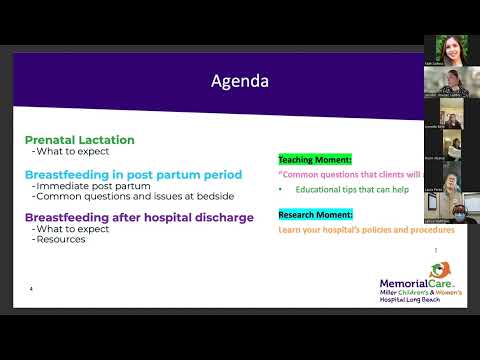
Hey there! So, you know that time when you see a new mom trying to figure out breastfeeding? It can be kinda overwhelming, right? The whole thing about milk and lactation is a big deal.
Milk isn’t just food; it’s like a love letter from mom to baby. Seriously! But between the myths and all the advice out there, families often feel lost. That’s where we come in!
We’re diving into the world of lactation. We’ll chat about how it works, why it matters, and how to make this journey smoother for you and your little one. Grab a cup of something cozy because we’re getting real about something super important in parenting: making sure milk matters for families everywhere!
Exploring the Top Salaries for Lactation Consultants: What You Need to Know
So, have you ever thought about what lactation consultants actually do? They’re the superheroes of breastfeeding! Seriously, they help new parents figure out all the ins and outs of breastfeeding, pumping, and even formula feeding if that’s needed. Now, while the work they do is super important for families, let’s chat about how much these professionals can earn.
When it comes to salary, bear in mind that it can vary quite a bit. It really depends on where you are and your level of experience. Some consultants just starting out might find themselves earning around $50,000 a year. But as they gain more experience or specialize further, that number can jump significantly.
- Average Salary: Most lactation consultants in the U.S. make between $60,000 and $80,000 annually.
- Location Matters: If you’re in a big city like New York or San Francisco, salaries can go up to $100,000. It’s all about demand!
- Experience Counts: Those with years of experience or advanced certifications tend to make more. It’s like leveling up in a game!
- Work Setting: Whether you’re working in hospitals, clinics or running your own private practice can also affect pay. Private practices sometimes have more flexibility—and higher earnings potential.
I remember when my friend Jen became a lactation consultant after having her baby. She was passionate about helping other new moms! As she gained clients and experience over time, her income grew too—it was amazing to see how quickly she started making a living doing something she loved.
The thing is though—if you’re thinking about becoming a lactation consultant just for the money—it’s important to also genuinely care about supporting families. You’ll be guiding them through some pretty intimate moments; empathy is key!
So there you have it! Lactation consulting isn’t just fulfilling; it can also be financially rewarding—but it’s all about passion and expertise too. Just remember that this info doesn’t replace talking to professionals if you’re considering this path!
Top Certifications for Aspiring Lactation Consultants: A Comprehensive Guide
So, you’re thinking about becoming a lactation consultant? That’s awesome! Helping families navigate the world of breastfeeding can be really rewarding. There are tons of certifications out there, and I’m here to break it down for you.
First up is the **International Board Certified Lactation Consultant (IBCLC)**. This is probably the most recognized certification in the field. To get this one, you need to complete specific educational requirements and hands-on experience. It’s a big deal, but worth it if you want to be taken seriously.
Then there’s the **Certified Lactation Counselor (CLC)**. This certification is great if you’re just starting out. The training focuses on basic lactation support and counseling skills. It’s like a solid entry point without being too overwhelming.
You might also want to check out the **Lactation Education Consultants (LEC)** certification. This one’s for those who want to dive into education more deeply. If teaching new parents about breastfeeding sounds like your jam, this could be a perfect fit.
Another option is the **Associate Degree in Lactation Consulting** from accredited schools. This degree usually covers an extensive curriculum, touching on subjects like anatomy, nutrition, and various breastfeeding techniques.
Also, don’t forget local certifications! Depending on where you live, there might be programs tailored to your community’s needs that could also help boost your credentials.
Now let’s chat about some key points to consider when picking a certification:
- Reputation: Make sure the certifying body is respected in the field.
- Requirements: Consider how much time and money you want to invest.
- Your goals: Think about what areas of lactation consulting excite you most.
You know, I remember when my sister had her first baby; she was so overwhelmed in those early days. A good lactation consultant made all the difference for her! She felt supported and empowered through those tough moments—and that kind of impact is what this career is all about.
Just remember though—getting certified doesn’t mean you’ll have all the answers right away; experience plays a huge role too! And while these certifications are important stepping stones, they don’t replace actual professional help when needed.
So go ahead and explore these options! Becoming a lactation consultant can lead you down an amazing path where you can really make a difference for families navigating breastfeeding journeys. It’s exciting stuff!
Lactation Consultant Hourly Rates: What to Expect and Factors Influencing Costs
So, you’re on the journey of feeding your baby, and maybe you’ve thought about getting a lactation consultant to help out? That’s awesome! But, let’s talk money for a second. Lactation consultant hourly rates can vary widely, and it’s good to know what to expect.
Hourly Rates Overview
On average, prices can range from around $75 to $150 per hour. Some consultants even charge more in certain areas or for specialized services. It might seem like a lot at first glance, but remember that these pros are trained to support your breastfeeding journey.
Factors Influencing Costs
There are a few things that can really influence how much you’ll end up shelling out. Here are some key points to think about:
- Location: Where you live can make a big difference. Big cities usually have higher rates than small towns.
- Experience: More seasoned consultants usually charge more. You might be paying for their expertise and the peace of mind they bring!
- Services Offered: If the consultant provides extra services like home visits or group classes, that could bump the rate up.
- Insurance: Some insurance plans cover lactation consultations partially or fully. Always check with your provider!
You know, I remember when my friend Sarah had her baby. She hired a lactation consultant who charged $100 an hour but was totally worth it—she helped Sarah so much with her breastfeeding challenges. It made such a difference in those early days.
At the end of the day, always consider what fits best within your budget while also giving you the support you need. Just remember: these fees don’t replace healthcare advice from doctors or other professionals but serve as guidance in your parenting adventure!
Exploring the Role of Lactation Consultants: Is It a Legitimate Career?
So, let’s chat about lactation consultants, yeah? You might have heard about them if you’ve got a baby or know someone who does. Their role is pretty important when it comes to breastfeeding, but just how legit is this career? Well, buckle up!
Lactation consultants are trained professionals who help moms and families with breastfeeding. They’re like your go-to buddy for all things milk-related! Imagine you’re a new mom feeling overwhelmed and unsure about breastfeeding. That’s where these experts come in. They offer guidance, support, and reassurance. Seriously, having someone in your corner can make a world of difference.
You know, some people wonder if this job is really a “thing.” Well, it totally is! Many of them are certified through organizations that require training and testing. They can work in hospitals, clinics, or even your living room if you want that personal touch!
Here are some key points to consider:
- Lactation consultants provide education on breastfeeding positions and techniques.
- They can help with issues like latching problems or milk supply concerns.
- Their support can ease emotional challenges during the postpartum period.
It’s kind of amazing how one-on-one support can empower families. Just picture this: a tired mom sitting on the couch with her baby struggling to latch. Enter the lactation consultant—armed with knowledge and empathy! They step in and guide her through it; suddenly she feels more confident and less stressed.
And it’s not just about helping the moms; they also educate partners on how to support their loved ones during this journey. So yeah, it’s not just a job—it’s a calling!
In short—and I’m being totally honest here—you might think that becoming a lactation consultant is serious stuff, but it’s deeply rewarding work. It’s all about making sure families feel empowered and informed as they navigate those early days of parenthood.
So next time you hear someone question if lactation consulting is legit—now you’ll know!
Remember though, always consult healthcare professionals for specific advice related to health concerns. But these beautiful souls are there to support families every step of the way! Pretty cool right?
Hey there! So, let’s chat about milk and how it plays such a big role in our lives, especially when it comes to families and babies. You know, I was recently hanging out with my sister who just had her second child, and watching her navigate breastfeeding brought back a flood of memories from when I had my kids. The whole experience can be so overwhelming and beautiful at the same time, right?
Milk is like this magical potion for newborns. It’s packed with nutrients that help them grow strong and healthy. But here’s the thing: not every mom feels super confident in her ability to breastfeed or knows about all the resources available. I mean, it took my sister a few tries to get comfortable with nursing—there’s so much pressure to do it “right,” you know? It’s more than just feeding; it’s about bonding too.
So, what really matters here is empowering families with lactation expertise. It’s crucial for parents to have access to solid information—like where they can find support groups or lactation consultants. Because honestly, having someone you can turn to makes all the difference! When my sister struggled a bit in those first weeks, she found this amazing lactation consultant who was super encouraging and helped her figure things out. It was like flipping a switch; her confidence skyrocketed!
And let’s not forget milk doesn’t come easy for everyone. Some folks face challenges like low supply or painful latching issues—it’s totally normal but can feel isolating if you don’t know you’re not alone in this journey. That’s why sharing experiences and resources within communities can be so impactful.
It’s really important for everyone involved—not just moms but partners and families too—to understand how they can support breastfeeding journeys. Simple things like helping out around the house or providing emotional backing go a long way!
At the end of the day, milk matters because it’s about nurture and love, right from those first moments as a new family member enters your world. Whether through breastfeeding or formula feeding, what truly counts is that little one gets what they need while being surrounded by care and connection.
So if you’re on this path or know someone who is—reach out! Share stories! Support each other! Milk might be simple at its core, but everything that surrounds it? That’s what really empowers families and creates those beautiful memories we cherish forever.
