

Hey there! So, let’s talk weight loss. I mean, we all know it can be an uphill battle, right? You try this diet, that workout, and it feels like you’re just spinning your wheels.
Well, guess what? There’s a game changer out there called lap band surgery. Sounds fancy, huh? It’s actually a pretty simple concept that could totally flip your weight loss journey upside down.
Imagine having a little help along the way—a tool that gives you a boost when you need it most. That’s what lap band surgery is all about!
I’ll break it down for you in the simplest way possible, so stick around and let’s dive into this together!
Understanding Weight Loss Speed with Lap-Band Surgery: What to Expect
So, you’re curious about lap-band surgery and how it relates to losing weight, huh? That’s totally understandable! It’s a big decision and can feel a bit overwhelming. Don’t worry, I’ve got your back with some easy-to-digest info.
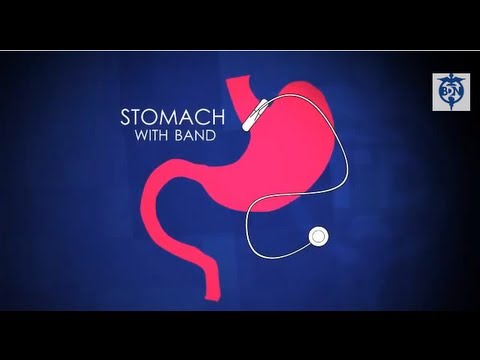
Lap-band surgery is one of those options for folks who are looking to shed some pounds. Basically, what they do is place a band around the top part of your stomach. This makes it smaller so you feel fuller much faster when you eat. Sounds kinda wild, right? But the goal is to help you eat less and lose weight over time.
Now, about that **weight loss speed**—it can vary quite a bit. Some people start seeing results within the first few weeks after surgery, while others might take a little longer to notice changes. On average, many folks lose around 1-2 pounds per week during the initial stages after getting the band put in.
It’s so important to remember that everyone is different! Your individual journey really depends on things like:
- Your starting weight: Heavier individuals often lose faster at first.
- Your lifestyle: Eating habits and exercise levels play a huge role.
- Your body: Each person’s metabolism reacts differently.
A friend of mine, let’s call her Sarah, went through this process last year. At first, she was super excited and dropped around 10 pounds in just a month! But then she hit a bit of a plateau for a few weeks. It was tough for her emotionally because she had worked so hard. But guess what? She stayed patient and focused on healthy eating and gradually started losing again.
It’s really crucial that after getting lap-band surgery, you stay committed to your new lifestyle choices. Regular check-ups with your healthcare team are also key since they can help guide you through your progress.
Also remember that while lap-band surgery can be an effective tool for weight loss, it doesn’t replace professional healthcare advice or support from nutritionists or doctors. They’re there to help keep everything on track!
So there you have it—a quick rundown on understanding weight loss speed with lap-band surgery! Just take everything one step at a time; every small change counts in this journey toward health!
Exploring the Decline in Popularity of Lap-Band Surgery: Key Factors and Insights
So, let’s dive into the whole lap-band surgery thing. You remember when it was all the rage? People were buzzing about it like crazy. Lap-band surgery was once considered a go-to option for folks struggling with weight loss. But recently, it seems to be losing steam. What gives?
First off, one of the main reasons for this decline is the rise of other options. Take gastric bypass or sleeve gastrectomy, for instance. These procedures have been getting a lot of attention lately because they tend to show more consistent and dramatic results compared to the lap band. People want quick and effective solutions, you know?
Another big factor is patient dissatisfaction. With lap bands, some people found they weren’t achieving their desired weight loss or faced complications—a bummer! I mean, nobody wants to go through surgery and not see results. There were stories of folks who had to deal with band slippage or erosion over time. Yikes!
A little story here: I heard about a friend who got the lap band years ago hoping to shed those extra pounds fast. At first, it seemed promising! But after a while, she started struggling with discomfort and didn’t lose as much weight as she hoped. Eventually, she decided to look for other methods that might suit her better.
Lifestyle changes also play a role in this shift in popularity. Many people are turning towards holistic approaches—like mindful eating and increased exercise—as sustainable ways to manage their weight rather than opting for surgical fixes.
Furthermore, there’s the impact of social media and information sharing. Nowadays, everyone’s looking on Instagram or TikTok for tips on health and wellness. And guess what? Many influencers are preaching about diet plans that don’t involve any surgeries at all—just good ol’ healthy living!
The truth is that while lap-band surgery may have revolutionized weight loss in its heyday, it’s just not shining like it used to. As new research emerges and options develop, patients are more informed than ever before—and that’s awesome! Always remember though: whatever you choose should come from talking with healthcare professionals who can help guide you based on your own personal needs.
Understanding the 30/30 Rule After Gastric Sleeve Surgery: Key Guidelines for Success
The 30/30 Rule is really important for anyone who’s had gastric sleeve surgery. So, what is it? Well, it’s about how you eat and drink after your surgery to set yourself up for success. Basically, it means you should wait 30 minutes after eating before you drink anything. Sounds simple, right? But there are key reasons for this!
First off, here’s why waiting is important. After gastric sleeve surgery, your stomach is smaller and can only hold so much food at once. If you drink too soon after eating, it can push the food out of your stomach faster than it should. That means you might not feel full or satisfied, which can lead to overeating—defeating the whole purpose of the surgery!
Now let’s break down the key guidelines of this rule:
- Eat Slowly: Take your time while eating. Chew well! You want to enjoy your food and give your body time to register fullness.
- Avoid Sugary Drinks: They can fill you up without offering real nutrition. Plus, they might make you feel hungry again sooner.
- Stay Hydrated: Drink plenty of water throughout the day! Just remember to do it outside that 30-minute window after meals.
- Listen to Your Body: If something doesn’t feel right or if you’re unsure about what to do next, definitely reach out to a healthcare professional!
I remember a friend who had this surgery and struggled with sticking to these rules at first. She’d think “Oh come on, just one sip won’t hurt!” But then she’d end up feeling uncomfortable later on. It took her some time to adjust but now she’s doing great!
The thing is, making small changes like following the 30/30 Rule can help keep you on track with your weight loss journey after gastric sleeve surgery. It’s all about creating healthy habits that stick with you in the long run.
So if you’re navigating life post-surgery, just keep this rule in mind! And always stay connected with healthcare pros who can guide and support you along the way. That’s super important!
Understanding Lap Band Issues After a Decade: Causes, Symptoms, and Solutions
Hey there! So, you’re curious about lap band issues after a decade, huh? That’s totally understandable. Some people find that after a few years, things aren’t as straightforward as they once were. Let’s break it down into simple bits!
What is Lap Band Surgery? It’s a procedure that helps with weight loss by placing an adjustable band around the upper part of your stomach. This creates a small pouch, making you feel full quicker. Sounds great, right? But like with anything in life, sometimes things can go off course.
Causes of Lap Band Issues: Over time, a few common issues may pop up:
- Slippage: This happens when the band moves from its original position. You might feel discomfort or have trouble eating.
- Erosion: Sometimes the band can erode into the stomach lining. Yikes! This could lead to pain or nausea.
- Pouch Enlargement: That pouch we talked about can stretch over time. If it does, you might notice weight regain.
Symptoms to Watch For: If any of these sound familiar, it’s time to pay attention:
- Nausea or vomiting after meals
- Difficulties swallowing
- Pain or discomfort around your stomach area
I remember my friend Rachel who had her lap band for years and then started feeling sick after eating. At first, she thought it was just something she ate, but it turned out her band had slipped! She learned that keeping an eye on how you feel is super important.
Solutions to Consider: If you’re facing any of these issues, here are some paths you might explore:
- Adjustments: Your doctor might suggest adjusting the band to help alleviate symptoms.
- Surgery: If problems persist, some may need further surgery – either to fix or remove the band entirely.
The thing is, being informed and proactive about your health can make a big difference. Always reach out to your healthcare provider if something feels off. They’re the best resource when figuring this stuff out!
Your journey doesn’t have to be lonely—it’s crucial to stay connected and get support from those who understand what you’re going through!
Wow, weight loss can be such a heavy topic—pun totally intended! It seems like everywhere you look, there’s some new trend or fad promising rapid results. But let’s talk about something a bit different: lap band surgery. Now, I know that might sound intimidating or like something only celebrities do, but hear me out.
You see, I have a friend who struggled with her weight for years. We used to bond over those late-night pizza runs, sharing our love for extra cheese and garlic knots. But as the years went by, she found it harder and harder to keep up with things she used to enjoy. It wasn’t just about looking good; it was about feeling good. So when she mentioned considering lap band surgery, I could see she was serious.
So what is this lap band thing? In simple terms, it’s a type of weight loss surgery where they place an adjustable band around your stomach. This band creates a smaller pouch at the top of your stomach which means you feel full faster and eat less overall. Pretty clever if you ask me! The cool part? It’s adjustable! So if you find that it’s too tight or too loose, doctors can tweak it.
But here’s the catch: it’s not just about the surgery itself. You’ve gotta commit to making lifestyle changes after the procedure—like eating healthier foods and staying active. And trust me, that can be tough! My friend had her ups and downs post-surgery; there were moments of frustration when she’d miss those late-night snacks we used to share.
However, over time, she found her groove—finding healthier versions of her favorite meals and discovering joy in new activities like hiking (who knew?). Watching her transformation has been inspiring! Her journey shows that while lap band surgery can help kickstart weight loss, it doesn’t magically fix everything.
It’s like getting a super cool gadget but then having to learn how to use it properly to see its full potential. And hey, folks are different; what works for one person may not work for another.
So if you ever find yourself exploring options like this—or any weight loss method for that matter—make sure you do your homework and chat with professionals who know their stuff. It’s a big decision but can lead to some pretty amazing changes when paired with determination and support from friends (like us!).
At the end of the day, whatever path you take toward health should feel right for you—whether it’s through surgery or simply finding joy in healthier everyday choices!
