

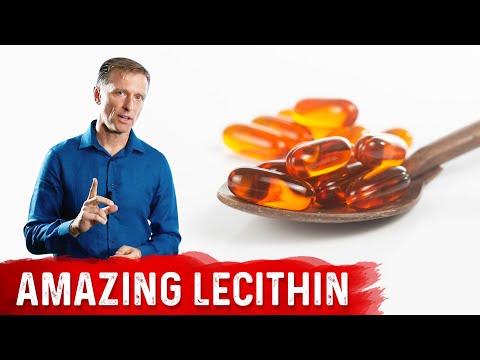
Hey there! So, have you ever heard of lecithin? I mean, it’s one of those buzzwords floating around in health circles, but what’s the real deal?
Lecithin is this cool substance you find in foods like eggs and soybeans. It’s a natural fat that helps with all sorts of stuff in your body. Seriously, it’s like a little helper that keeps things running smoothly.
And guess what? You can also get it as a supplement! Pretty neat, right? If you’re looking to give your health a boost—or just curious about why everyone’s talking about it—stick around. We’re diving into all things lecithin today!
Trust me, you won’t want to miss this!
Exploring the Daily Benefits and Risks of Taking Lecithin
Well, let’s chat about lecithin! It’s one of those supplements that kinda flies under the radar but has some interesting benefits and a few risks too. So, grab your coffee (or tea) and let’s dive in.
Lecithin is like a natural emulsifier found in things like soybeans, eggs, and sunflower seeds. Basically, it helps keep fats and water mixed together in food. You might find it packed into some foods or even sold as a supplement. But what’s the scoop on taking it daily?
Benefits:
- Supports Brain Function: Some people say lecithin can help with memory and cognitive function because it contains choline. Choline is like the VIP pass for neuron health.
- Aids Digestion: Lecithin can help your body break down fats, making digestion smoother. You know that bloated feeling after too many tacos? Lecithin might help ease that.
- Heart Health: Some folks believe lecithin may keep cholesterol levels in check. It’s thought to help balance out good and bad cholesterol, but results can vary.
- Skin Benefits: Using lecithin topically might make your skin feel more hydrated and soft – who doesn’t love that glow?
But hold up! It’s not all sunshine and rainbows.
Risks:
- Allergic Reactions: If you’re allergic to soy or eggs, steer clear of lecithin made from these sources. Seriously, you don’t want an allergy flare-up!
- Digestive Issues: Some people might experience stomach upset or diarrhea when they first start taking it. So if you’re new to this stuff, take it slow.
- Interactions with Medications: If you’re on certain medications—especially those for cholesterol—always check with a healthcare pro before adding something new to your routine.
Anyway, it’s super important to understand that while leer at those benefits all day long sounds great, nothing beats a chat with your doc if you’re considering adding lecithin to your life. Remember, supplements are just that: supplements! They don’t replace a balanced diet or professional healthcare advice.
So there you have it! A little peek into the world of lecithin—all its perks and potential pitfalls! Keep this info handy when deciding what works best for you.
Understanding the Timeframe: How Long for Lecithin Supplements to Show Results
Lecithin supplements, huh? They’ve been getting a lot of buzz lately for their potential health benefits. But if you’re thinking about jumping on the lecithin train, you might be wondering: **how long will it take to see results?** Well now, let’s break this down in simple terms.
First off, everyone’s body is different. Some people might feel changes sooner than others. Generally speaking, **you could start noticing effects anywhere from a few days to several weeks.** It really depends on what you’re taking it for, your lifestyle, and even your diet.
Here are some factors that play into how long it’ll take for you to feel any difference:
- Your health goals: If you’re using lecithin for cognitive support or heart health, your experience may vary.
- Dosage: Taking the right amount matters. Too little might not do much.
- Consistency: Regular intake is key! Missing doses can delay results.
For example, my friend Mia started taking lecithin for energy levels. After about two weeks of daily use, she felt like she had more pep in her step! It was like her brain finally decided to tune into the right frequency. But remember: we’re all different.
Also, don’t forget to check in with professionals if you’ve got questions or concerns about your personal health journey. Lecithin might help some folks but isn’t a magical fix-all potion.
So there you have it! While results can vary widely, give it some time and stay consistent—you might just find what works for you!
Exploring the Effects of Lecithin on Arterial Health: Can It Help Clean Your Arteries?
So, let’s talk about lecithin. You might have come across it in health supplements, or maybe you’ve heard it mentioned in the context of foods like eggs and soybeans. But what’s the buzz about when it comes to our arteries? Can this little compound really help clean them out?
First off, lecithin is a type of fat that’s found in various plant and animal tissues. It plays a role in keeping your cells healthy. One of its key components is something called phospholipids. These have a knack for helping fats mix with water, which is super important for digestion.
Now, here’s the thing: some people say that lecithin can help manage cholesterol levels. High cholesterol can lead to plaque buildup in your arteries, which isn’t exactly what you want. But does that mean lecithin can act as a “cleaning agent”? Not exactly.
- Lecithin helps emulsify fats: This means it helps break down fats into smaller particles so they can be processed more easily by your body.
- Potential cholesterol management: Some studies suggest that lecithin may play a role in maintaining healthier cholesterol levels.
- Dietary source or supplement: You can find lecithin naturally in foods or as a supplement.
Here’s an interesting tidbit: I once spoke to a friend who started taking lecithin because she wanted to improve her overall health. She mentioned feeling better after adding it to her routine. While personal stories like hers are great, it’s important to remember everyone’s body reacts differently.
So while there’s some promise with lecithin regarding fat management and possibly benefiting arterial health, it’s not the magic bullet you might hope for. Always consult with a healthcare professional if you’re thinking about adding new supplements into your routine.
In summary, while **lecithin** has its perks when it comes to how fats are handled by your body and might help keep cholesterol levels in check, it’s not a guaranteed fix for cleaning out arteries or reversing plaque buildup. Just remember: keeping your arteries healthy takes more than just one ingredient!
The Hidden Dangers of Lecithin: Understanding Its Potential Health Risks
Lecithin is one of those ingredients that seems to pop up everywhere, right? You see it in supplements, food products, and even in your favorite snacks. It’s often praised for potentially boosting health and improving brain function. But hold on a second! There can be some hidden dangers lurking behind this popular compound.
Lecithin is a fatty substance found in plants and animals, and it’s mainly used as an emulsifier. That means it helps mix things that usually don’t blend well together, like oil and water. You might think, “What’s the harm in that?” Well, while lecithin does have its benefits, there are some potential risks worth knowing about.
- Digestive Issues: Some folks might experience stomach pain or diarrhea when they take lecithin supplements. It’s not super common, but if you’re prone to tummy troubles, you should keep that in mind.
- Allergic Reactions: Just like with any food product, allergies can happen. Some people are allergic to soy lecithin specifically—and trust me, that can lead to some serious reactions.
- Cholesterol Levels: Lecithin is often touted for its cholesterol-lowering abilities. However, scientists aren’t all on the same page about this claim. For some individuals with specific conditions, adding too much lecithin could actually cause cholesterol levels to spike!
- Interactions with Medications: If you’re taking certain medications or have pre-existing health conditions, lecithin could interact negatively with them. Better safe than sorry—always check with a healthcare pro.
So what’s the takeaway here? While many people enjoy the perks of lecithin without issues (my friend swears by it!), others might face challenges when they start using it regularly. Just the other day, my cousin tried a new supplement packed with lecithin thinking it would help her focus during work-from-home days. Instead, she found herself running to the bathroom more than she’d like!
It’s important to stay informed about what we put into our bodies because what works wonders for one person may be a total bust for another. Always listen to your body and don’t hesitate to chat with someone who knows their stuff before making any big changes—it’s better to be cautious!
So, I was hanging out with my buddy Mel the other day, and we got to talking about health stuff, you know? We both love trying to figure out ways to feel our best. Anyway, she mentioned lecithin supplements and how they’ve been a game-changer for her energy levels. I had to admit—I didn’t know much about lecithin before then.
Lecithin is kind of this cool natural fat found in foods like soybeans and egg yolks. It helps break down fats in your body and makes sure your cells can do their jobs right. It’s like the behind-the-scenes helper that keeps everything running smoothly!
Mel started taking lecithin because she heard it can support brain health and help with cholesterol levels too. I mean, who wouldn’t want a sharp mind? And with so much going on these days, having something that might give us a little boost is worth considering. It got me thinking about how we’re all just trying to take small steps towards better health, right?
Of course, it’s super important to talk to a professional before diving into any new supplement routine. You want to make sure it fits well with what’s already going on in your life and body! But if you’re curious like I was, maybe looking into lecithin could be the thing that sparks some inspiration for you. It’s wild how something so simple can make such a difference.
So yeah, if you’re feeling adventurous or just curious about ways to boost your health journey—why not explore? Sometimes it’s the little things that can pack a punch! Make sense?
