

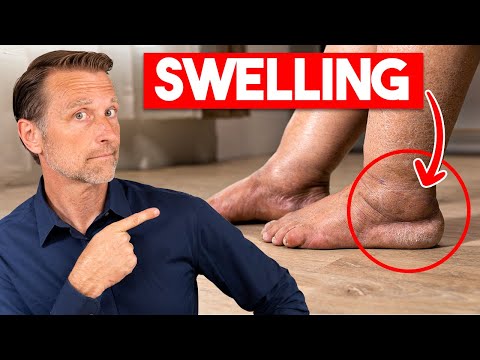
Hey there! Have you ever noticed your legs feeling a bit puffy or heavy? That’s called leg oedema, and let me tell you, it can be a real pain—literally and figuratively.
You’re not alone in this boat, trust me. Lots of folks deal with it, and it can be super frustrating. But don’t worry! There are smart ways to manage it.
In the next few lines, we’ll explore some simple tricks to help you deal with that annoying swelling. So grab a comfy chair and let’s dive into some solutions that might just make your life easier. You ready? Let’s go!
Effective Treatments for Swelling in Legs and Feet: Relieve Discomfort and Improve Mobility
Swelling in your legs and feet, often called edema, can be a real pain, right? It can make it tough to get around or even find comfy shoes. Sometimes, it happens after standing for too long, or maybe you were just chilling on the couch for a bit too long. So what can you do about it?
The first thing to remember is that edema might have different causes, and while we’re not here to diagnose anything, knowing a few simple things could help you manage that uncomfortable feeling.
- Stay Active: Moving around helps keep your blood circulating. Even a walk around the block or some gentle stretching can work wonders! I remember my friend who used to get sore legs after her shifts at the coffee shop; once she started doing some light exercises during breaks, she felt way better!
- Hydration is Key: It sounds weird, but drinking enough water actually helps reduce swelling. When you’re dehydrated, your body holds onto extra fluids. So grab that water bottle!
- Elevate Your Feet: After a long day, propping your feet up can be super helpful. Think of it as giving your legs a little vacation.
- Tight Socks or Compression Stockings: These can help with circulation and keep swelling at bay. You might look like you’re ready for a marathon, but hey, if it helps!
- Avoid Salt: Reducing salty foods may help decrease swelling. Too much salt makes your body retain water. So maybe skip that extra sprinkle on dinner?
The thing is, if swelling sticks around or gets worse, that’s when it’s important to reach out to a healthcare professional who can give you proper guidance tailored just for you.
If you’ve found yourself in those uncomfortable shoes lately because of swollen feet or legs, don’t stress! Just know there are ways to find some relief and keep moving more comfortably.
Understanding the Risks: Is Leg Swelling a Cause for Concern?
So, you’re dealing with some leg swelling, huh? It can be a bit alarming, and it’s totally natural to wonder what’s going on. Let’s break it down together.
First off, leg swelling—or what’s fancy-pants people call oedema—can happen for many reasons. Sometimes it’s just from standing too long or maybe eating too much salty food. Your body can react to these things by holding onto extra fluid. But that doesn’t mean you should ignore it!
Having swollen legs might be a sign of something more serious sometimes. Here are a few things to think about:
- Heart problems: If your heart isn’t pumping blood efficiently, fluid can back up in the legs.
- Kidney issues: Your kidneys help filter out excess water; if they’re not working well, you might notice swelling.
- Liver troubles: The liver has lots of jobs, and one of them is managing fluid balance.
- Infections or injuries: Swelling can occur after an injury or infection that causes inflammation in the area.
It’s crucial to check in with a healthcare professional when you notice persistent swelling. You know? Like when my friend Sarah sprained her ankle playing soccer and thought it was just swollen from the game; turns out she had a fracture! Imagine if she’d let it slide.
Of course, there are ways you can manage mild leg swelling at home too:
- Elevate your legs: Try propping them up while sitting or lying down.
- Avoid long periods of sitting: Get up and move around every now and then.
- Watch your salt intake: Cutting back on salty snacks can really help!
The thing is, while some swelling is normal and nothing to freak out about, other times it could be signaling that something needs attention. Always trust your gut feeling but don’t hesitate to talk to someone who knows better if you’re worried! Your health comes first!
Effective Methods for Draining Edema Fluid: A Comprehensive Guide
So, let’s talk about **edema**, which is basically when your body holds onto too much fluid. It often shows up in places like your legs, ankles, or feet. Feeling that puffiness can be frustrating, right? You might feel like you’re walking with weights on your legs! Here’s the thing: there are ways to help manage this pesky fluid retention.
First off, **elevating your legs** works wonders. Just lie down and prop up your feet on a pillow or a stack of cushions. This helps gravity do its thing and encourages the fluid to shift back where it belongs.
Another smart move is to **stay active**. Gentle movements like walking can get your blood flowing and help reduce swelling. Picture this: you’re strolling through the park, soaking in the sun, and—surprise!—your legs start feeling lighter.
Don’t forget about **hydration** either! Yeah, I know it sounds a bit weird—drinking more water when you’re dealing with swelling—but it really does help. When you’re well-hydrated, your body doesn’t feel the need to hold onto extra water.
And here’s something that might surprise you: watch how much salt you’re eating. Too much sodium can make you retain even more fluid. Try swapping out heavily salted snacks for some fruit or veggies. Your taste buds will thank you!
Oh, and if you’re lounging around for long periods—like watching Netflix all day—don’t forget to take breaks and move around every now and then. A little shuffle or stretch here and there can work magic on those swollen limbs.
Lastly, a cool compress can be super soothing when things get puffy. Grab a towel soaked in cold water and place it on the swollen area for some relief.
Just remember, these tips are all about managing things at home! If you’re noticing severe swelling or if it’s persistent (you know what I mean), definitely have a chat with a healthcare professional who can guide you further.
So there you go! Easy peasy methods to help drain that edema fluid from your legs while keeping things light-hearted! Keep moving and stay hydrated—you’ve got this!
Effective Strategies for Draining Edema Fluid from Legs: A Comprehensive Guide
Hey there! So, let’s talk about leg edema. You know, that annoying puffiness you sometimes get? It’s when your legs swell up due to fluid buildup. Seriously, it can feel super uncomfortable, and sometimes it’s just a nuisance. But what can you do about it? There are a few smart strategies you might want to try.
First off, staying active is key. You don’t have to run marathons or anything wild—just getting up and moving around helps get your blood flowing. Even a short walk around the block can do wonders. Plus, stretching your legs a bit can really help too!
Another thing that works for many people is elevation. Try propping your legs up on some pillows while lounging on the couch. I once had a friend who swore by this after long days on her feet at work. Just elevating her legs gave her such relief at night! Sometimes all it takes is finding that comfy spot.
Diet also plays a big role in how much fluid your body keeps around. Reducing salty foods might help since salt makes you retain water like crazy! Instead, munching on fresh fruits and veggies is not only yummy but also hydrating.
- Stay active – even light movements count!
- Elevate those legs whenever you can.
- Aim for less salt in your meals.
If you’re dealing with heat or humidity—a common culprit for swelling—don’t forget to stay cool! Maybe chill in front of a fan or take a cool shower. Honestly, it works like magic sometimes!
And of course, keep sipping that water! It sounds counterintuitive but drinking fluids actually helps flush out excess stuff from your body.
Just remember, these are some simple ways to manage leg edema at home—it’s always good to chat with someone professional if the swelling doesn’t go away or gets worse. Your health matters!
So, let’s chat about leg oedema. It sounds all fancy, but it’s really just a way of saying your legs are puffed up with fluid. I remember a friend of mine, Sarah, had this happen to her after a long flight. She was so uncomfortable that she could barely wear her favorite shoes! You know that feeling when you’re just trying to enjoy your day but your body has other ideas? Ugh!
Anyway, there are some smart ways to manage it that aren’t too complicated. First off, elevation is your bestie. If you can kick up those legs whenever possible—like during a Netflix binge or while reading—you’re already doing wonders for yourself. Seriously, it helps drain that excess fluid back into circulation.
Another thing is moving around more often! You might not feel like it if your legs are heavy, but gentle stretches or even just walking can help get things flowing. I mean, think of it like getting the kinks out of a hose. The more you move, the less likely the fluids will just hang around.
And hydration? Oh boy, don’t skip on this one! It’s kinda ironic but drinking enough water actually helps reduce swelling because when you’re hydrated, your body doesn’t hold onto more fluid than it needs. So grab that water bottle and sip away!
Compression socks are also pretty nifty. They look kinda odd sometimes—you know like those sports socks we see at the gym—but they work wonders by keeping pressure on your legs and helping blood flow better. Plus they might even remind you to take breaks while standing all day!
Now listen, you know I’m not saying these things will wipe the problem away completely or anything dramatic like that. They’re just here to help manage things and make sure you’re as comfy as possible.
At the end of the day—and after all my rambling—what really matters is how you’re feeling and keeping in touch with a healthcare pro if things get tricky. It’s always good to have someone in your corner who knows what’s going on because everyone’s body is different—and that’s totally okay! Just remember: you’re not alone in this little adventure with leg oedema!
