

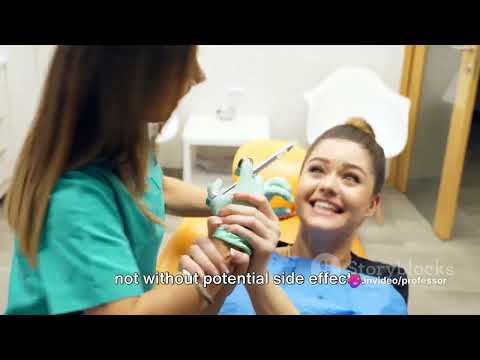
Hey there! Let’s talk about something you probably don’t think about every day—local anesthetics. You know, those magical potions that numb the pain when you’re getting a tooth pulled or stitches? Yeah, those!
So, here’s the deal. Pain can really mess up your day. I mean, who wants to feel like they’ve been kicked by a horse just for getting a procedure done? Not me! But guess what? There’s some pretty cool stuff happening in the world of local anesthetics that might just change everything.
Think of it like this: imagine a world where you can zip through your dentist appointment without even a pinch of discomfort. Sounds dreamy, right? Well, innovation is here to make that dream more of a reality. So let’s dive into what’s brewing in the labs and how these advancements could change our experiences with pain management in ways we haven’t even thought about yet!
Top Long-Acting Local Anesthetics: Key Examples and Their Applications
When it comes to numbing pain, local anesthetics are our trusty sidekicks, right? They help us get through some not-so-fun procedures without feeling a thing. But did you know that some local anesthetics can last for a longer time? Yep, we’re talking about long-acting local anesthetics here!
So, what are these long-acting types? Well, they work by blocking nerves in a specific area for an extended period. Imagine being at a party and having your favorite song play on repeat. That’s kinda like how these anesthetics keep doing their job longer than the quick ones.
Here are some key examples:
- Bupivacaine: This is one of the big players! Used in surgeries and pain management, it can provide relief for up to 24 hours.
- Ropivacaine: Similar to bupivacaine but with potentially less heart impact, making it a go-to for childbirth and orthopedic surgeries.
- Dexamethasone: Not traditionally an anesthetic but when paired with others, it can boost effectiveness and prolong numbness.
- Tetracaine: This one packs a punch! You’ll often find it used in topical forms for minor procedures or even dental work.
The thing is, each of these has different uses depending on the scenario. Imagine needing stitches; your doc might use bupivacaine since it keeps you comfy during the procedure and afterwards. Or if someone’s going through labor pains? Yep, ropivacaine is likely their best friend.
It’s super cool how these innovations in local anesthetics help make medical procedures easier and less painful. Just think about that time you had to get a cavity filled but couldn’t feel a thing while they worked away—magic! But remember: even though we’re talking about numbing sort of magic here, this info doesn’t replace professional healthcare advice. Always check with your healthcare provider for what works best for you!
Advancements in Long-Acting Local Anesthetics for Enhanced Dental Patient Care
So, you’ve probably heard that going to the dentist can be a bit of a scary experience, right? Well, guess what? There are some pretty cool advancements happening in the world of local anesthetics that could make it way less nerve-wracking for patients. I mean, who wants to feel pain while getting their pearly whites taken care of?
First off, let’s talk about what local anesthetics actually do. They’re basically like little superheroes for your mouth—they block pain in specific areas. Traditionally, they work quickly but wear off after a short time. That’s where the new long-acting versions come into play.
Here’s what makes these advancements so exciting:
- Extended Relief: Newer formulas can numb the area for much longer. Imagine not having to worry about discomfort while your dentist is working away!
- Less Need for Re-dosing: With long-acting options, dentists won’t have to interrupt your treatment just to give you more numbing meds.
- Smoother Recovery: Patients may also experience fewer aftereffects like soreness or lingering numbness.
It’s kinda like when my friend got her wisdom teeth out and was so tired of feeling numb! With these innovations, she might have had a more comfortable experience with less fuss.
But remember: while this tech could be a game changer in dental care, it doesn’t mean every office has it yet. Always chat with your dentist about what options are available for you. Just because something sounds awesome doesn’t mean it’s ready for prime time everywhere.
Anyway, as technology continues to evolve—just like those fancy electric toothbrushes—it looks like dental visits might get easier and less painful. And who wouldn’t be on board with that? So next time you’re gearing up for an appointment, know that some cool stuff is happening behind the scenes!
Enhancing Local Anesthesia: The Role of Adjuvants in Pain Management
So, let’s chat about local anesthesia and how some extra helpers, called **adjuvants**, can really up the game when it comes to pain management. You know that numbing feeling you get during a dental procedure? That’s local anesthesia doing its thing. But sometimes, that numbing might not be enough for certain procedures or individual pain thresholds. This is where adjuvants come into play!
What are Adjuvants?
Adjuvants are basically sidekicks to the main star, which is the local anesthetic. They help make the numbing more effective and can even extend how long that numbness lasts. This means less pain for you overall!
Some Common Adjuvants Include:
- Opioids: These buddies can add extra pain relief during surgeries.
- Alpha-2 agonists: They help reduce anxiety and enhance the effects of anesthetics.
- Steroids: Sometimes used to reduce inflammation and improve comfort.
Imagine you’re at the dentist, and they give you some local anesthesia but throw in a little something extra on top—it’s like adding sprinkles to an ice cream cone! This combination helps manage discomfort better than just numbing alone.
Now, here’s a little story for you: A friend of mine once had a minor surgery on her foot. She was dreading it because she had heard those horror stories of post-surgery pain. But her doctor used a combo of local anesthesia with an adjuvant, and she was pleasantly surprised by how manageable her recovery was! It just made everything feel so much smoother.
The Bottom Line
Incorporating adjuvants into local anesthesia might not be common knowledge, but these allies make a real difference in minimizing pain experiences during various procedures. It’s all about improving your comfort while getting things done.
But remember, this info isn’t a substitute for chatting with healthcare professionals who can provide personalized guidance based on your specific needs. So if you’re ever curious or have questions about something like this—it’s best to reach out to someone in the know!
Exparel: Revolutionizing Post-Surgical Pain Management for Enhanced Recovery
You know how after a surgery, pain can be such a big deal? Well, let’s chat about something that’s making waves in post-surgical recovery. It’s called Exparel, and it’s all about managing pain more effectively. So, what’s the scoop?
Exparel is a local anesthetic that helps numb the area around where you’ve had surgery. It lasts longer than the traditional stuff you might be familiar with, which is pretty cool, right? Instead of just hours of relief, Exparel can keep the pain at bay for up to three days. Yup, you heard that right!
- Long-lasting relief: Most local anesthetics wear off relatively quickly. Exparel sticks around for longer, making your recovery a little smoother.
- Reduced need for opioids: With Exparel doing its job well, patients often find they need fewer stronger painkillers. That’s a win-win!
- Improved overall experience: Less pain means you can get back to your regular life faster. Who doesn’t want that?
I remember my friend Sam who had knee surgery last year. He was dreading the pain and all those side effects from heavy meds. Luckily, he got Exparel and felt much better than he expected! It really made his rehab process easier.
Now, it’s important to note that while Exparel is exciting and innovative, it doesn’t mean you should toss your other options out the window or skip chatting with your healthcare provider about what’s best for you.
In short, Exparel seems like a great step forward in how we think about managing post-surgical pain! Just remember to keep an open line of communication with your medical team because they know best when it comes to your health journey.
You know, thinking about local anesthetics really brings me back to this one time at the dentist. I was there, a total nervous wreck, dreading every second of that drilling sound. But then, the dentist numbed my gums with that little gel. Wow! It was like magic—suddenly, things got a lot less scary. It’s wild how something as simple as numbing can change your whole experience.
Local anesthetics have been around for a while—like, since the late 1800s! Back then, they figured out that if you numb up an area, you can perform procedures without all that ouch factor. Pretty revolutionary stuff. Fast forward to today, and we’re still playing with this concept but on a whole new level.
So here’s where it gets interesting. There’s ongoing innovation in this field that could make those old-school methods look a bit dated. For example, scientists are looking at ways to create anesthetics that kick in faster and last longer without the pesky side effects some people face. Imagine getting a shot or having surgery and not feeling groggy afterward—that would be a game changer.
And then there’s technology like targeted delivery systems that can release anesthetic just where it’s needed when it’s needed. I mean, think about it: no more worrying about accidentally numbing too much or having to wait ages for it to work. You’d be up and about in no time.
But let’s get real for a second—sometimes all this innovation makes me wonder if we’re losing touch with simpler solutions too? There’s something comforting about knowing what works even if it seems old-fashioned.
All in all, though? The future looks bright! Local anesthetics could evolve into tools that not only bring comfort but also enhance recovery times and reduce anxiety around medical procedures overall. Can’t wait to see how things unfold—I mean, who wouldn’t want an easier way through those nerve-wracking moments? So yeah, props to innovation for taking pain management up a notch!
