

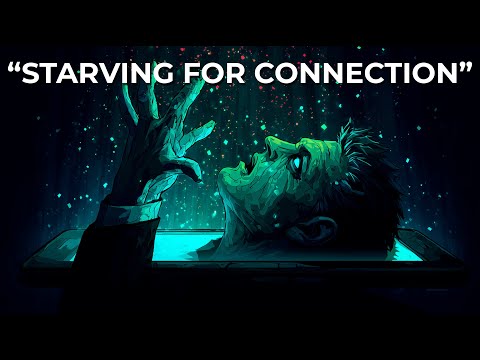
Hey there! So, let’s talk about something we all feel at some point: loneliness. Crazy, right? In a world where we’re all plugged in, it seems like we should be more connected than ever. But guess what? Many of us feel more alone than ever too.
It’s wild how scrolling through feeds and liking pics can leave you feeling empty. You can be surrounded by people online but still crave real connection. I mean, haven’t you ever had those nights when you’re just staring at your phone, wishing someone would really reach out?
That’s why this topic matters. We’re diving into how this digital age impacts our feelings of loneliness and how we can face it together—because you’re definitely not alone in this! So grab a cozy drink and let’s chat about navigating loneliness in today’s hyper-connected world.
Exploring the Impact of Social Media on Loneliness: Insights from Recent Research
So, social media, huh? It’s incredible how we’ve become so connected yet feel more lonely than ever. Seriously, you can scroll through a feed filled with friends’ photos and still feel like no one really sees you. The irony! Recent research dives deep into this phenomenon and shows some pretty eye-opening insights.
- Increased Interaction Doesn’t Equal Connection: You might think that chatting online all day would make us feel connected, but that’s not always the case. Research has found that online interactions often lack the depth of face-to-face conversations.
- The Highlight Reel: Social media platforms are like curated galleries showcasing the best parts of life. Seeing everyone else’s highlights can sometimes lead to feelings of inadequacy or loneliness when we compare our everyday struggles to their perfect moments.
- Time Spent Online vs. Real Connections: Interestingly, spending too much time on social media can actually lead to feeling more isolated. It’s easy to get caught up in scrolling instead of reaching out for a real chat or hanging out with someone.
- The Pressure to Perform: There’s this pressure to be “on” all the time—posting the right thing, getting likes and shares. That can be exhausting and might make you feel even more disconnected when you don’t live up to those expectations.
- Mental Health Impact: Studies suggest that heavy social media use is linked with increased feelings of anxiety and depression. The constant bombardment of other people’s lives can weigh heavily on your heart.
You know what’s funny? I used to think that keeping up with friends online made me less lonely, but there were days I felt even more alone after scrolling through endless posts. It’s confusing! It seems like we have to find a balance between being online and engaging with the world around us—the real world!
The bottom line is, while social media can help keep us in touch, it isn’t a replacement for genuine relationships. The next time you’re feeling lonely after a social media binge, maybe consider giving a friend a call or planning an in-person hangout instead!
Tech and the Rising Epidemic of Loneliness: Understanding the Digital Recipe
So, let’s chat about something that’s kinda a big deal these days: loneliness. You might think that with all the tech around us—our phones, social media, and video calls—we should be super connected, right? But here’s the kicker: many people are actually feeling more lonely than ever. What’s going on?
First off, our screens have changed how we interact. Instead of deep conversations over coffee, we’re often just liking posts or sending quick messages. It feels like we’re in touch, yet those genuine connections are kinda fading away. People might share snippets of their lives online but that doesn’t always translate into real friendship.
Why does this matter? Well, loneliness can mess with your mental health. Feeling isolated or disconnected can lead to stress and anxiety! Seriously! It’s like being at a party full of people but feeling completely alone in the crowd.
Here are some things to think about regarding tech and loneliness:
- Digital interactions don’t replace face-to-face contact: Nothing beats seeing someone’s smile in real life.
- Quantity vs quality: Having tons of online friends is cool, but having a few close pals who really get you is way more fulfilling.
- Overwhelmed by info: Sometimes scrolling through everyone else’s highlight reels can make you feel worse instead of better.
- The pressure to be ‘on’: Always being online can lead to burnout and exhaustion, making it hard to connect genuinely.
Now here’s a personal story for you: I once had a friend who seemed super popular on social media—always posting fun pics and hanging out with people. But behind the scenes? They felt incredibly lonely. It was like they were surrounded by folks but still craving meaningful connections. That really hit home for me.
So what can we do? The key is finding balance! Try mixing some screen time with real-life hangouts. Maybe set aside your phone when meeting friends or family. Let those moments count!
Remember, feeling lonely sometimes doesn’t mean there’s anything wrong with you. Just know that it happens to loads of folks out there too! And if these feelings creep in often, chatting with someone who gets it—a friend or even a professional—can help so much.
It all comes down to connecting authentically in this digital age while not losing sight of the importance of person-to-person moments. Make sense? Just be mindful about your tech use; it’s all about finding that sweet spot between clicking and connecting for real!
Exploring the Connection Between Social Media Use and Loneliness: Key Statistics and Insights
So, let’s talk about something that’s been popping up a lot lately: the link between social media and loneliness. It sounds a bit strange, right? I mean, we’re all connected online, yet many people still feel alone. Let me break it down for you.
First off, social media can be a double-edged sword. On one hand, it lets you connect with friends, family, or even people across the globe. You can share your life and keep up with others in real-time. But on the other hand, it can end up making you feel more isolated than ever.
Here are some key points to consider:
- Statistics show that heavy social media users often report feeling lonelier. It’s wild! Studies suggest that spending over 2 hours daily on platforms can lead to feelings of isolation.
- Curated Lives: People tend to post only their best moments—vacations, celebrations—so scrolling through can leave you feeling like everyone else is having way more fun.
- Simplistic Connections: Many interactions on social media are brief and shallow. Liking a post isn’t quite the same as having a real face-to-face chat, right?
- Youth and Loneliness: Young adults seem particularly affected. A lot of them admit feeling lonely despite being “friends” with hundreds online.
Now, let me tell you about my friend Sarah. She spends hours scrolling through her feeds but often complains about feeling disconnected from her closest pals. The thing is, she loves seeing their posts but wishes they’d hang out more in person. It’s like she gets caught in this cycle—seeing all these connections but missing the actual connection.
So what does this all mean? Well now, while social media has its perks—keeping us connected during busy times—it shouldn’t replace meaningful interactions face-to-face.
To wrap it up: being “connected” doesn’t always equal “not lonely.” Taking breaks from screens or making plans to see friends can really make a difference in how connected you feel in the real world. Just remember that managing your mental health is super important and if feelings of loneliness persist, seeking professional support is always a good step!
Exploring the Impact of Technology on Loneliness: Pros and Cons
So, let’s chat about technology and loneliness. It’s kinda wild how we’re all connected yet sometimes feel super alone, right? In this digital age, technology plays a huge role in how we experience loneliness. There are some serious pros and cons to consider.
First up, the good stuff! Technology can connect us in ways that were once unimaginable. You can literally video call a friend halfway across the world. That’s amazing! Here are some of the key positives:
- You can meet people who share your interests through social networks and online communities.
- Virtual events and gaming allow for social interactions without leaving your home.
- You get access to mental health resources online, which can be super helpful if you’re feeling lonely.
I mean, think about it: I once found a group of people who loved the same obscure TV show as me. We’ve had some hilarious late-night chats! It really made me feel less alone in my fandom.
Now, let’s talk about the flip side. While tech brings us closer, it can also make feelings of loneliness even worse:
- You might end up comparing yourself to others’ highlight reels on social media, which can feel isolating.
- Sometimes chatting online just isn’t the same as having real-life interactions; it can feel like something is missing.
- The screen time can take over your life, making you forget to reach out to people in person.
You know that feeling when you’re scrolling through your phone but still feel empty? Yeah, I’ve been there too. It’s confusing; you’re “connected” but still kinda lonely!
To wrap this up, it’s clear that technology has a major impact on loneliness—both good and bad. So next time you’re scrolling that feed or jumping into an online chat, just remember: tech isn’t a cure-all for loneliness. Sometimes a real hug or face-to-face laugh is what you need most!
You know, it’s kind of wild how we can feel so connected yet so alone these days. I mean, just the other night, I was scrolling through my phone, watching all these friends post their happy moments—life events, adventures, you name it. And there I was, sitting on my couch in my pajamas. It got me thinking about loneliness in this digital age.
Remember when we used to hang out with friends without needing to text them first? Just showing up at someone’s door felt normal. Now? We have all these apps and social media platforms that keep us “connected,” but sometimes it just feels like we’re putting on a show for each other. You swipe through those perfect pictures and wonder why your life doesn’t look like that. It can be really isolating.
I once had a friend who seemed to have everything figured out. She always posted these amazing photos from her travels and fun nights out with friends. But then one day she confided in me that she often felt lonely—even with a million followers online. Can you believe that? It opened my eyes to how even the most seemingly “together” people can struggle.
It’s like we’re living in this strange paradox where technology brings us closer but can also deepen those feelings of loneliness. There are times when you just want someone to sit next to you and share silence or laugh at something silly—not just through a screen. Those moments matter more than likes or followers ever could.
So what do you do? I think one way is to be more intentional about connecting with people in real life. Maybe plan a coffee date instead of just sending a message or make a point to call someone rather than text. Sometimes it helps me if I just take a break from social media, too—just unplug for a bit.
And hey, let’s not forget that it’s okay to feel lonely sometimes; it’s part of being human! What matters is how we choose to navigate those feelings together—whether it’s reaching out or sharing our struggles because trust me: you’re not the only one feeling this way.
At the end of the day, it’s about building genuine connections amidst all this digital noise. After all, true friendship goes way beyond pixels and posts; it thrives on real conversations and shared laughter—even if it’s over video chat for now!
