

Hey there! So, let’s talk about something super important—low sugar in newborns. I know, it sounds a bit heavy, right? But stick with me for a sec!
Imagine holding your tiny baby in your arms, feeling that beautiful weight. You want to keep them safe and healthy, of course! Well, low blood sugar can sometimes be a little sneaky and pop up right when you least expect it.
It’s totally normal to feel overwhelmed by all the info out there. Don’t stress—I’m here to break it down for you. You’ll get some smart solutions that are easy to understand. Seriously, we’re in this together!
So grab a cozy drink and let’s dive into how to manage those blood sugar levels like pros!
Effective Strategies for Treating Newborns with Low Blood Sugar: A Comprehensive Guide
Newborns can sometimes have low blood sugar, which is also called hypoglycemia. It’s kinda like when you skip breakfast and feel a bit cranky, but it’s a big deal for tiny babies. Their bodies are still learning how to regulate sugar levels, and that can be tricky sometimes. If you ever find yourself in a situation where this happens, here are some things to keep in mind.
Feeding is Key
One of the best ways to help a newborn with low blood sugar is through early feeding. If the little one can latch on, breastfeeding right away can do wonders. Formula feeding can also be effective if breastfeeding isn’t an option. Just think of it as giving them a boost!
Frequent Feedings
Newborns generally need to eat every two to three hours. So keeping track of their feedings is super important! This helps maintain stable blood sugar levels throughout the day. You might even want to set reminders on your phone—hey, we all need a little nudge sometimes!
Monitoring Blood Sugar
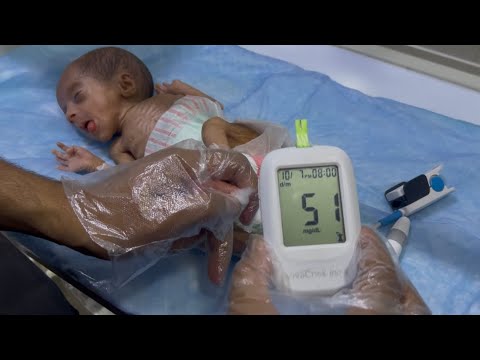
Healthcare professionals often check blood sugar levels in newborns who are at risk or showing symptoms of low sugar. This typically involves pricking their tiny heel for a quick drop of blood. Even though it sounds scary, it’s pretty quick and helps keep track of what’s going on.
Cuddle Time Matters
Believe it or not, being close to mom or dad can actually help stabilize a newborn’s blood sugar too! Skin-to-skin contact not only keeps them warm but also helps with feeding cues and calmness.
Medical Attention
Sometimes babies need extra help if they’re having persistent low blood sugar issues. Doctors might use special formulae or even IV treatments depending on the situation. The thing is, each baby is unique, so it’s always best to follow your healthcare provider’s guidance.
In the end, remember that while managing low blood sugar in newborns can feel overwhelming at times—you’re not alone! Reach out for help when you need it and trust your instincts as a parent because you’re doing better than you think!
Understanding Dangerously Low Blood Sugar Levels in Newborns: Key Insights for Parents
Did you know that newborns can experience low blood sugar levels? It’s called hypoglycemia, and it’s something that parents should be aware of. The first few days of life are a big adjustment for tiny babies, and their bodies are learning to regulate blood sugar. Sometimes, they need a little extra help.
Newborns have limited glucose stores, which means they can run out quickly. This is particularly true for babies who were born prematurely or those who might not be feeding well. If a baby’s blood sugar drops too low, it could lead to some serious issues. If you’re ever concerned about your baby’s health, reaching out to a healthcare provider is super important!
Now let’s break this down a bit more:
- Signs of Low Blood Sugar: Some signs can include shakiness, fussiness, or lethargy. If you notice these symptoms, it’s best to consult with your pediatrician.
- Feeding: Regular feeding helps keep blood sugar levels stable. Breastfeeding or formula feeding should happen often in those early days—like every 2-3 hours.
- Skin-to-Skin Contact: Spending time skin-to-skin with your baby not only promotes bonding but can also help regulate their body temperature and glucose levels.
- Monitoring: Health professionals will usually monitor the baby’s blood sugar if they’re at risk right after birth. If needed, they might provide glucose as necessary.
So, you see? While the thought of low blood sugar in newborns can sound alarming, knowing what to look for makes a world of difference! Remember the story of my friend who was a new parent? She noticed her little one was extra fussy and didn’t want to feed as usual. With just a quick call to her doctor, she got advice that helped calm her nerves and support her baby.
Just always keep in mind that this information doesn’t replace professional healthcare—it’s just good old friendly chatter about what parents should stay informed about!
Understanding NICU Stay Duration for Infants with Low Blood Sugar: What Parents Need to Know
Hey there! So, let’s dive into a topic that can be a bit nerve-wracking for new parents: understanding how long babies might stay in the NICU—especially when they’re dealing with low blood sugar, or hypoglycemia. It’s totally normal to have questions about this, so I’m here to give you some straightforward info.
First off, what’s low blood sugar in newborns? Well, when a baby doesn’t have enough sugar in their blood, it can lead to some issues like shakiness or trouble feeding. Now, the duration of a NICU stay can vary quite a lot depending on several factors.
- Severity of the Condition: If the low blood sugar is mild and quickly improves with feeding or IV fluids, a baby might just need a few hours to get back to normal.
- Response to Treatment: How well your little one responds to treatment really matters. Sometimes they bounce back fast; other times it takes longer.
- Monitoring Needs: Babies in the NICU are monitored closely. If they need ongoing checks for their blood sugar levels, that can extend their stay.
- Feeding Challenges: If your baby has trouble latching on or feeding well due to low blood sugar, improving that may take some time too.
A friend of mine went through this with her tiny babe. She was so anxious when her son was admitted because of low blood sugar. But after a few days of care and monitoring, he was stable enough to go home! It was such a relief once they got through it.
The thing is, each situation is unique. You might feel overwhelmed at times but remember that healthcare professionals are there for you and your baby. They’ll keep you updated on what’s happening and why certain decisions are made regarding your little one’s care.
If you find yourself dealing with this situation—seriously—don’t hesitate to ask questions from the staff in the NICU. They’re there to help you understand everything and support you during such a stressful time!
At the end of the day, focus on being present with your little one and know that you’re not alone in this journey!
Understanding the Severity of Low Blood Sugar in Newborns: Causes, Risks, and Management
So, let’s chat about low blood sugar in newborns. This condition, also known as hypoglycemia, can be a serious concern for little ones. It happens when there isn’t enough glucose (that’s the fancy term for sugar) in their blood. You know how we need food to keep our energy up? Well, newborns need that too!
Now, why does this happen? There are a few reasons:
- Prematurity: Babies born too early might not have had enough time to build up their sugar stores.
- Low birth weight: Sometimes smaller babies can struggle a bit more with regulating their sugar levels.
- Maternal diabetes: If the mom has diabetes, it can affect the baby’s ability to manage sugar after birth.
The thing is, low blood sugar can lead to some serious risks if not managed well. It could cause issues with brain function and development. And that’s definitely something we want to avoid! Some signs of low blood sugar might include jitteriness or feeding difficulties. It’s kind of like when you skip breakfast and feel cranky—only way more concerning for a tiny baby!
So what can be done? Managing this condition typically involves close monitoring by healthcare professionals. They might suggest feeding the baby more frequently or using special formulas if needed. The key is keeping an eye on those blood sugar levels and making sure they’re within a healthy range.
If you’re ever worried about your little one’s health, don’t hesitate to reach out to your healthcare provider. They’ve got the expertise to help guide you through any concerns! Remember, understanding these things is super important but always talk to someone who knows best.
So, let’s chat a bit about low sugar in newborns. It’s one of those things that can sound super scary when you first hear about it. I mean, when you have a little one at home, your brain is already spinning with all the worries—like, is the baby sleeping enough? Are they feeding well? And then, boom! You learn about things like hypoglycemia. Not fun.
I remember when my best friend had her first baby. Little Mia was perfect in every way—tiny fingers and that sweet little smell. But then, a few days after birth, the doctors checked her blood sugar and found it was low. My friend was terrified! You could see it on her face; I could practically feel her heart racing across the room. The docs assured her it wasn’t uncommon and that there were ways to manage it.
So what happens when a newborn has low blood sugar? Basically, babies need glucose for energy, and sometimes their bodies aren’t able to produce enough right away because they’re getting used to life outside the womb. It can lead to some serious issues if not addressed quickly.
But hey, here’s where smart solutions come in! Doctors usually monitor any signs closely. They might suggest some skin-to-skin contact (which is just precious anyway) or even frequent feedings of breast milk or formula to help boost those sugar levels right up. Sometimes they use IV glucose if needed—yep, that’s pretty high-tech stuff but necessary in some cases!
What I found so heartwarming during my friend’s journey was how much support she got from everyone around her. Family stepped in more than ever: bringing over meals so she didn’t have to worry about cooking while managing Mia’s feeding schedule or just being there to hug her and remind her that it would all be okay.
Honestly? Just being there for new parents makes such a difference. It’s intense having a newborn! And with issues like low blood sugar popping up, feeling supported can really lighten that heavy load.
The bottom line is—it’s all manageable with love and care. It might be scary at first (totally get that), but these little champs are resilient! Plus, once you’re armed with info and surrounded by your people, you suddenly feel like you’ve got this whole parenting thing under control… kind of!
