

Hey there! Let’s talk teeth. Yup, you heard me right!
So, Medicaid dental care has kinda been the underdog in the healthcare world. It’s important, but often overlooked. We all know good dental health is crucial for overall well-being, right? But what if I told you that some cool tech solutions are shaking things up?
Imagine a world where getting dental care isn’t a hassle and everyone can smile big without worrying. Sounds dreamy? Well, it’s closer than you might think! With innovative tech on the scene, there’s hope for better access and care.
Buckle up! We’re diving into how these techy ideas are transforming Medicaid dental like never before. Seriously, it’s pretty awesome!
Exploring Innovative Technologies Revolutionizing Dentistry: A Comprehensive Guide
Hey there! Let’s dive into the exciting world of how tech is shaking things up in dentistry, especially for folks using Medicaid. You know, the dental visit can sometimes feel a bit overwhelming, but these innovative technologies are making things a lot easier and hopefully more accessible for everyone.
First off, let’s chat about **teledentistry**. This is like having a chat with your dentist from the comfort of your home. Imagine you’re sitting on your couch, and you can show your dentist what’s going on with your teeth through a video call. Seriously, it saves time and makes it easier for those who can’t easily get to an office.
Then there’s **3D printing**. This tech is pretty cool! Dentists can create custom dental implants or aligners right in-office. It’s faster and often cheaper than traditional methods. Instead of waiting weeks for something to be made at a lab, you could walk out same-day with whatever you need!
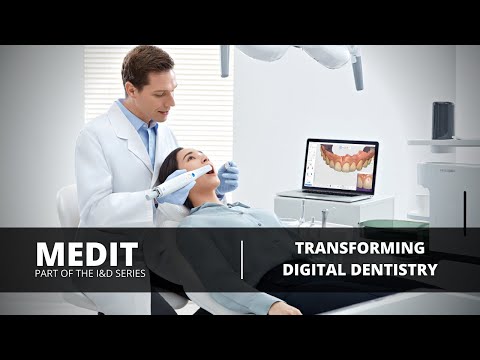
Also, have you heard about **intraoral cameras**? These little gadgets allow dentists to capture detailed images of your mouth. It’s super helpful for spotting issues that might not be visible during a regular exam. Plus, when they show you those images on the screen, it really helps with understanding what’s going on.
Another neat innovation is **smart toothbrushes**—yes, these actually exist! They can track how well you’re brushing and give feedback via an app on your phone. It sounds a bit futuristic but hey, anything that encourages better brushing habits is awesome!
And finally, let’s not forget about **artificial intelligence (AI)** in diagnostics. AI tools help dentists analyze data quicker and more accurately—like spotting cavities or gum disease before they become serious problems. It’s like having a super-smart assistant help out during check-ups!
So yeah, tech in dentistry isn’t just about fancy gadgets; it’s about making care simpler and more effective for everyone—especially those relying on Medicaid services. If you’re curious or have questions about these innovations, always reach out to a professional who can provide guidance tailored to you! Just remember: while these advancements are incredible, they don’t replace the expertise of a dentist or any healthcare pro when it comes to keeping those pearly whites healthy!
Understanding the Reasons Dentists are Opting Out of Medicaid Programs
So, it seems that a lot of dentists are stepping back from Medicaid programs these days. Why is that? Well, there’s a mix of reasons at play. Let’s break it down a bit.
Reimbursement Rates are one biggie. Many dentists feel that the payments they get from Medicaid just don’t cut it. Imagine spending hours on a procedure and getting paid way less than you would for the same work elsewhere. That can be super frustrating!
Then there’s administrative hassle. Dealing with all the paperwork and red tape can be a real pain. Dentists often mention that navigating through Medicaid’s requirements takes up more time than they want to spend.
- Lack of Flexibility: Many dentists find that they can’t set their own appointment times or manage their schedules properly when working with Medicaid.
- Patient Population: Some dentists simply feel overwhelmed by the needs of Medicaid patients, who may have complex dental issues or require more time and attention, which can be exhausting.
- Technology Gap: Innovations in dental tech are making things so much easier, yet not all practices have access to these tools, making it hard to compete.
The thing is, some dental practices are trying to turn this around with innovative tech solutions. There’s potential for new systems that help streamline the billing process or improve patient communication. So it’s not all doom and gloom! But right now, many dentists see these challenges as enough reason to sidestep Medicaid.
This is totally just an overview and doesn’t replace chatting with your dentist about your personal situation. Just know, if you’ve been wondering why your favorite dentist isn’t accepting Medicaid anymore, you’re definitely not alone in this curiosity!
The Main Challenges Facing Medicaid: Unpacking the System’s Biggest Issues
Medicaid is like this giant lifeline for millions of people in the U.S., right? It helps them with healthcare costs, but the system has some big challenges that can leave folks feeling frustrated. Let’s break it down.
First up, we have funding issues. Medicaid is state and federally funded, but each state has different budgets and priorities. So, some states just can’t keep up with rising healthcare costs. This leads to long wait times for appointments or reduced services.
Then there’s access to providers. In many areas, especially rural ones, there aren’t enough dentists or doctors accepting Medicaid. Imagine needing care but having no one nearby who can help you—it’s tough!
On top of that, quality of care can vary widely. Some providers may not have the resources to give the best treatment due to low reimbursement rates from Medicaid. This is where innovative tech solutions could play a huge role.
Have you heard about telehealth? It’s like bringing healthcare right into your living room! Telehealth can connect patients with providers quickly and efficiently. For people who struggle to find dentists or specialists in their area, that’s a game changer.
Also, there’s the complexity of the system. Navigating what’s covered and what isn’t can feel like trying to solve a Rubik’s Cube blindfolded! Many folks don’t even know their options when it comes to dental coverage under Medicaid.
Lastly, we can’t ignore the stigma. Some people just don’t want to rely on programs like Medicaid because they fear judgment from others. You know how it goes—everyone wants to feel self-sufficient.
So yeah, while Medicaid plays a crucial role in providing access to healthcare, it certainly faces some big hurdles that need addressing. Innovative solutions could really help tackle these issues and make a difference in people’s lives!
Exploring Medicaid Coverage: Does It Fully Cover Dental Expenses?
So, if you’re wondering about Medicaid coverage when it comes to dental expenses, you’re not alone. It’s a pretty common question. Many people rely on Medicaid for their healthcare needs, and dental care is a big part of that.
Here’s the thing: Medicaid dental coverage varies by state. In some places, you might get full coverage for everything from routine check-ups to more complex procedures like root canals. Other states, however, might just cover emergencies or really basic services. It’s like a lottery—you never know what you might get!
- Preventive Services: Most states will cover preventive services like cleanings and X-rays. These check-ups are super important in catching issues before they become big problems.
- Treatments: Some procedures may be covered too, but this is where things get tricky. Fillings and extractions might be covered, but crowns or dentures could fall under “maybe,” depending on your location.
- Limitations: There can be limits on how often you can receive certain treatments within a year. So, if you’re thinking about getting that second filling this year, double-check your state’s guidelines.
A personal story here: I remember my friend Lisa who thought she was all set after getting Medicaid but soon discovered her state only covered cleanings and emergency work. When she had to deal with a root canal? Yikes! She found herself scrambling for funds because it wasn’t covered. Just something to keep in mind!
If you’re enrolled in Medicaid and need dental care, don’t hesitate to look up the specific details for your state or talk to someone who knows what’s what—like a Medicaid representative or a healthcare navigator. They can help clarify what’s included in your plan.
The cool part is that there are some folks out there working hard on innovative tech solutions that aim to improve access to dental care under Medicaid. It could mean better options for all of us down the road! But for now, just know that not all states are created equal when it comes to dental coverage under Medicaid.
You definitely want to be informed so there are no surprises later on! Remember though: this isn’t professional advice—just friendly info sharing here!
Okay, so let’s dive into something that might not seem super exciting at first but is actually really important: Medicaid dental care. I mean, if you’ve ever had a toothache or needed a filling, you know how much it can impact your day-to-day life. For some people, though, getting dental care isn’t just about discomfort; it can be a matter of health and dignity.
I remember a time when my grandma had a tooth that was bothering her for weeks. She didn’t have dental insurance and was too proud to ask for help. Imagine how frustrating that must have been for her! She just wanted to enjoy her meals without pain. It really hit me how essential access to dental care is, especially for older folks or low-income families.
Now, Medicaid provides coverage for many people who need it the most—it’s like a safety net. But unfortunately, navigating the healthcare system can feel like trying to find your way out of a maze blindfolded. That’s where tech solutions come in! Seriously, innovative technology is shaking things up in ways we never expected.
Think about telehealth: you can have consultations without even leaving your couch! For many folks on Medicaid who might struggle with transportation or mobility issues, being able to connect with a dentist virtually could be game-changing. You know what I mean? It’s like taking what was once an impossible task and making it doable from your own home.
And then there are apps that help you keep track of appointments and treatment plans. Imagine having everything right there on your phone! No more missed appointments or confusion about paperwork—just easier access overall.
But here’s the kicker: while tech sounds amazing—and it absolutely has the potential to make things better—it also needs to be implemented thoughtfully. The last thing we want is for these solutions to become another layer of complexity in an already complicated system.
So I guess my point is that transforming Medicaid dental care through innovative technology is not just about fancy gadgets; it’s about making sure everyone gets the care they need when they need it. After all, healthy teeth lead to happier smiles—something we could all use more of!
