

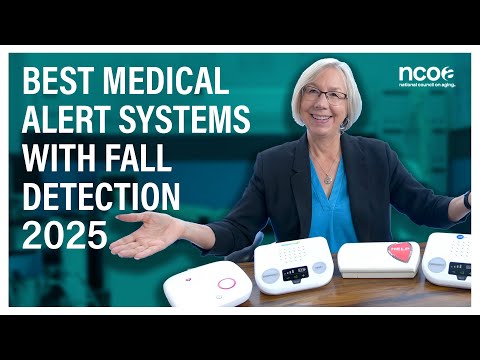
You ever worried about a loved one living alone? I get it. It’s kinda scary, right? You want them to stay safe but also enjoy their independence.
That’s where smart medical alert devices come in. These little gadgets can be life-savers!
Imagine your grandma, sitting on her couch watching her favorite show. Suddenly, she takes a tumble. Instead of lying there, feeling helpless, she presses a button and—boom! Help is on the way!
Sounds pretty great, right? Well, let me tell you how these devices work and why they’re becoming such a big deal today.
Understanding Medicare Coverage for Safety Alert Devices: What You Need to Know
Hey there! If you or someone you love is thinking about Medicare and smart medical alert devices, you’re in the right place. It can be a bit confusing, but let’s break it down together.
First off, what is a medical alert device? It’s basically a gadget that helps you call for help in case of an emergency. Think of it like having a tiny superhero on your wrist or around your neck!
Now, onto Medicare. Here’s the scoop: Medicare doesn’t always cover medical alert devices directly. But they might cover some services related to them under specific situations. That’s why it’s super important to understand how it all works.
- Part A and Part B: These parts usually don’t cover medical alert systems as durable medical equipment (DME) since they often consider it more of a personal choice.
- Part C: Some Medicare Advantage plans might include coverage for these devices. That means if you have one of those plans, you might be in luck!
- Out-of-pocket costs: If your plan doesn’t cover the device, be ready to pay for it yourself. Prices can vary quite a lot depending on the provider.
- Certain conditions: If someone has specific health conditions that require constant monitoring, they may qualify for additional support through their healthcare provider.
You might be wondering, “So what do I do if I think I need one?” Well now, start by chatting with your doctor or healthcare team. They can guide you on whether these devices are appropriate and what options might be available through your coverage.
If someone close to me had mentioned needing help at home for safety reasons, I’d tell them this: Get familiar with all the options! It could really bring peace of mind knowing that help is just a button press away.
The thing is, understanding all this stuff isn’t easy—but taking time to figure out what works best for your situation makes total sense. Just remember that while I’m here sharing info with you, it doesn’t replace talking to healthcare professionals about your specific needs!
So there you have it! Hope this helps clear some fog around Medicare and safety alert devices!
Smart Med Alert Monthly Pricing: A Comprehensive Guide
So, let’s chat about Smart Medical Alert devices a bit, huh? These gadgets are designed to help keep you or your loved ones safe, especially if there are health concerns. Now, one thing people often wonder about is the pricing, specifically for Smart Med Alert systems. Wanna know how it works? Let’s break it down!
First off, the **monthly pricing** usually varies based on a few factors like the features you choose and any extras you might add. Typically, you can expect to pay anywhere from $19.99 to $49.99 per month. This range is quite common among different providers.
Now, here are some key points that can affect your cost:
- Basic plans: These usually include essential emergency response services—like pressing a button to get help—often around $19.99/month.
- Advanced features: If you want stuff like fall detection or GPS tracking, that might bump it up to around $29.99/month.
- Family plans: If you’re looking out for multiple family members, there are options that can be more cost-effective per person.
- Equipment fees: Some companies may charge upfront for the device itself or monthly lease fees.
I remember my grandma getting her first medical alert device. She was a bit hesitant at first—thought it felt like admitting she needed help! But once she had it and realized how simple it was to use? Total game changer! She said it gave her peace of mind knowing help was just a button away.
It’s really important to read the fine print too! Some companies might have hidden fees or long-term contracts that could surprise you later on. So definitely ask questions before signing up.
And remember, these devices are meant to provide you with security and comfort but do not replace professional healthcare or advice from your doctor.
Anyway, having clarity on pricing helps in making an informed choice! It’s all about what fits best into your lifestyle and needs.
Discover the Top-Rated Medical Alert Device of 2023: Your Essential Guide
So, you’ve probably heard a lot about medical alert devices. They’re designed to keep you or your loved ones safe, especially if there are concerns about health issues or accidents. Honestly, it’s pretty amazing how technology has changed the game in this area!
Let’s jump into what makes a top-rated medical alert device in 2023. You want something that’s reliable, easy to use, and fits your lifestyle. Here are some things to keep in mind:
- 24/7 Monitoring: Ideally, you want a device that connects to professionals any time of day or night. It’s a huge relief knowing someone is always ready to help.
- GPS Location Tracking: If you’re out and about, having GPS can be super crucial. It helps emergency responders find you quickly in case something happens.
- User-Friendly Design: This means buttons should be easy to press and the device itself should be light and comfortable to wear.
- Fall Detection: Some devices automatically detect falls and will call for help without you having to press anything, which is awesome for those unexpected moments!
- Battery Life: A long-lasting battery is key! You don’t want your device dying when you need it the most.
The thing is, before buying one, think about what features matter most for you or your family member. For instance, my friend Clara got one after she fell in her garden last spring. She didn’t hurt herself too badly but realized how vulnerable she felt lying there waiting for someone to check on her. Now she wears her device proudly—like a superhero with an extra sense of security!
No matter which model catches your eye, remember this isn’t a replacement for talking with healthcare pros about any specific needs. These gadgets can offer peace of mind but aren’t meant to replace real care and support.
The bottom line? Staying safe with smart medical alert devices today can really change the way we think about health monitoring and emergency response—talk about making life easier! So if safety is on your mind, maybe it’s worth exploring some options out there.
Exploring Free Medical Alert Systems for Seniors: Options and Resources
So, let’s chat about the world of medical alert systems for seniors. You know, those nifty gadgets that can really help keep older folks safe when they’re at home or out and about? They’ve come a long way from the old-school buttons. The best part? There are even free options out there!
To start, these systems are designed to give peace of mind. Imagine someone trips and can’t get up—having a medical alert device can connect them to help just by pushing a button. Sounds pretty handy, right? And while you might think these gadgets are pricey, there are actually some that won’t cost a dime.
Here’s a little overview of what you could find:
- Government Programs: Some local agencies offer free alert devices through programs aimed at assisting seniors. It’s worth checking your area!
- Non-Profits: Organizations sometimes provide devices to those who qualify based on income or situation. They often have great resources.
- Insurance Coverage: Some health insurance plans might cover the costs of medical alert systems if they deem it necessary for your health.
I remember my grandma getting one of these systems. At first, she was all “I don’t need that!” but one day she slipped in the bathroom. Thankfully, she was able to reach her pendant and got help fast! Now she swears by it—tells all her friends too.
When looking for a system, consider what features might be essential. Things like fall detection or GPS tracking could be game-changers, especially if you’re active or live alone. Just remember: while these devices provide extra safety, they’re not replacements for regular healthcare or check-ups with professionals.
So yeah, if you know someone looking for added security, suggest they explore their options! It’s comforting to know that help is only a button away—they won’t regret it!
Hey there! So, let’s chat about something that’s really buzzing these days—smart medical alert devices. You know how sometimes you hear stories that just hit home? Well, I got the chance to talk with my friend Sarah recently. She shared how her grandma, who lives alone, started using one of these devices. And honestly? It made me think a lot about safety and technology.
Imagine this: Sarah’s grandma was at home when she tripped over a rug and fell. Instead of worrying about whether help would come in time, she just pressed a button on her device. Within moments, help was on the way! Can you believe that? That little gadget turned what could have been a scary situation into a manageable one.
These smart devices are becoming super popular for people of all ages. They aren’t just for the older folks; even younger people can benefit! If you’re someone who loves hiking or doing adventurous stuff, having an alert device could give you peace of mind on those crazy trails.
And let’s be real for a second—technology has changed so much in recent years. These devices are sleek and packed with features, like fall detection and emergency alerts. Some even connect to your smartphone or smartwatch! Way cooler than those clunky things from years ago that screamed “I need help!” right?
But hey, it’s also important to remember that while these devices are helpful, they shouldn’t replace good old-fashioned communication with family and friends. Staying connected is still key! You won’t believe how much the simple act of checking in can lift someone’s spirits.
So if you’re considering one of these gadgets for yourself or a loved one, just think about your lifestyle and needs. There’s something out there for everyone—seriously!
At the end of the day, it’s all about ensuring safety while not compromising independence. And isn’t that what we all want? To feel secure but still be ourselves? Anyway, I hope this gives you some food for thought! What do you think about smart medical alert devices?
