

Hey there! Have you ever heard your doctor mention a heart murmur and thought, “Wait, what? Is that bad?” Well, you’re not alone! Many folks hear that and feel a little lost.
Today, we’re diving into something called mitral regurgitation murmurs. Sounds fancy, huh? But just stick with me—it’s super important for heart health.
So, imagine your heart as a bustling city with roads that need to work just right. When one of those roads gets a bit congested or doesn’t flow properly, you might end up with a murmur. It’s like your heart’s way of saying, “Hey! Something’s going on here!”
I mean, who knew our hearts could send us messages like that? And understanding these little whispers can make such a big difference in how we take care of ourselves. Let’s dive deeper into this and take the mystery out of it!
Understanding the Severity of Mitral Regurgitation Murmur: Key Insights and Implications
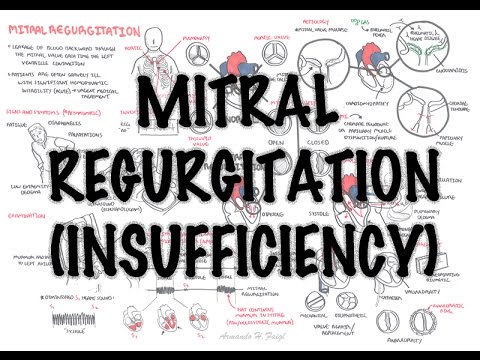
So, let’s chat about mitral regurgitation murmurs. Sounds complicated, right? But hang in there; it’s really not that bad! This condition involves a little valve in your heart called the mitral valve. When it works right, it lets blood flow nicely from the left atrium to the left ventricle. If it’s not working perfectly, blood can leak backward. This is what we call mitral regurgitation.
You might be wondering how you can tell if there’s a murmur. Well, it’s usually picked up during a routine exam when a doctor listens to your heart with a stethoscope. They might hear an unusual sound—like a whooshing or swishing noise—that’s the murmur talking! It can vary in severity from mild to severe.
Anecdote time! I remember my friend Sarah feeling totally lost after she found out she had this murmur. She thought, “Oh no, what does this mean for me?” After some chats and info sessions with her doctor, she discovered that many people live full lives with it—some may even never notice any symptoms!
- Mild Murmurs: Often harmless and might not lead to any issues. You probably won’t feel anything different.
- Moderate Murmurs: May need monitoring over time. It’s like putting your heart on a little watch list!
- Severe Murmurs: Could cause symptoms like shortness of breath or fatigue. These are important as they may indicate that treatment is needed.
The thing is, knowing where you stand with mitral regurgitation is super crucial. While some may not have any problems at all, others may need to keep a closer eye on their situation. That’s why regular check-ups are essential! Always talk things through with your healthcare provider if you have concerns—seriously.
In the end, just remember: while the heart has its quirks and murmurs can sound scary at first, most people manage just fine with them!
Understanding the Three Stages of Mitral Regurgitation: A Comprehensive Guide
Alright, let’s chat about mitral regurgitation. Sounds fancy, huh? It’s basically a heart valve issue where blood leaks backward into the heart instead of flowing out to the body like it should. This can happen in stages, and understanding these stages can help make sense of what’s going on.
Stage 1: Mild Mitral Regurgitation is where it all starts. At this stage, you might not even know there’s a problem. The leak is small, and many people feel just fine. You could picture this as a tiny trickle in a stream. It doesn’t cause any big waves yet!
Stage 2: Moderate Mitral Regurgitation shows that things are getting a bit more serious. The heart is starting to work harder to pump blood because of the extra volume coming back in. You might experience some symptoms like shortness of breath during exercise or general fatigue. Think of it like carrying a little extra weight; it makes things tougher.
Stage 3: Severe Mitral Regurgitation is when the leak becomes major. The pressure can build up in your heart and lungs, causing noticeable symptoms even at rest—like swelling in your legs or feeling really tired all the time. This is akin to a dam that’s overflowing; it creates a lot more chaos!
If you’re curious about mitral regurgitation murmurs, they’re typically “whooshing” sounds that doctors can hear when they listen to your heart with a stethoscope—kind of like hearing that trickling stream again but louder and with more drama.
This whole process can feel overwhelming, but just remember: recognizing these stages helps people keep an eye on their heart health! It’s super important to talk with healthcare pros if any concerns pop up because they are best equipped to guide you through this.
Understanding the Connection: Is Mitral Regurgitation a Form of Heart Failure?
So, let’s dive into this topic about mitral regurgitation and whether it’s a form of heart failure. First off, you might be wondering what mitral regurgitation really is. Well, it happens when the mitral valve, which sits between two chambers of your heart, doesn’t close properly. This can lead to blood leaking backward into the heart instead of flowing forward as it should.
Now, just because you have mitral regurgitation doesn’t mean you have heart failure. But there is a connection between the two. Here’s how it works:
- Heart Overload: If your heart has to work harder due to the leak, over time, this can wear it out.
- Pumping Problems: A weakened heart may struggle to pump enough blood effectively.
- Symptoms: Both conditions can share symptoms like shortness of breath or fatigue.
I remember chatting with a friend whose dad had a leaky valve. At first, they thought it was no big deal. He felt fine! But as time passed, he started getting tired easily and had trouble doing things he loved—like gardening on sunny days. That’s when they realized that his mitral regurgitation was contributing to a bigger issue with his heart.
The thing is, not everyone with mitral regurgitation ends up with heart failure. Some people can live their whole lives without major problems! It really depends on other factors like how severe the leak is and what other health issues someone might have.
In summary, mitral regurgitation can lead to heart failure, but it doesn’t always do so. If you or someone you know has concerns about their heart health, it’s super important to chat with a healthcare professional for personalized info and advice tailored just for them.
Effective Strategies to Prevent Worsening Mitral Regurgitation: A Comprehensive Guide
Hey there! So, let’s chat about mitral regurgitation, a condition where blood leaks backward in the heart. It might sound scary, but understanding it can help you take care of your heart health. And seriously, knowledge is power!
The mitral valve acts like a one-way street for blood flow from the left atrium to the left ventricle. When this valve doesn’t close properly, it can lead to mitral regurgitation. Over time, this condition might get worse if we don’t pay attention to our heart health.
Alright, here are some effective strategies that can help prevent worsened mitral regurgitation:
- Regular Check-ups: Keeping up with doctor appointments is key. They can monitor your heart’s condition and catch any changes early on.
- Healthy Eating: Eating a balanced diet rich in fruits, vegetables, lean proteins, and whole grains helps keep your heart strong. And let’s not forget about those omega-3 fatty acids! Seriously tasty and good for you.
- Stay Active: Regular exercise strengthens your heart. Even simple activities like walking or dancing count! Just find what you enjoy!
- Avoid Smoking: If you smoke or use tobacco products, consider quitting. They really mess with your heart’s ability to function properly.
- Control Blood Pressure: High blood pressure can worsen mitral regurgitation. Monitor it and work with your healthcare provider on ways to keep it in check.
- Manage Stress: Stress can impact your heart health more than you might think. Finding ways to relax—maybe through yoga or meditation—can be super helpful!
You know what? I remember when my grandma was diagnosed with this condition. It was tough at first—she felt lost and worried. But once she started focusing on her health with small lifestyle changes, she felt so much better! It’s all about taking it step by step.
The thing is, while these strategies might help manage things better, they don’t substitute professional healthcare advice or treatment plans from a doctor. Always talk to your healthcare provider before making any big changes!
Your heart deserves all the love and care you can give it! So let’s take good care of those precious beats together!
So, let’s talk about something that might sound a bit complicated but is super important when it comes to heart health—mitral regurgitation murmurs. I mean, the name alone can make you feel like you’re in a medical drama! But, trust me, it’s way simpler than it sounds.
Okay, picture this: My grandma, bless her heart, was one of those people who always thought she was invincible. She could outdance anyone at family parties until one day she went to the doctor for some routine check-up. The doc heard a weird sound while listening to her heart—like a faint whoosh that didn’t belong there. Turns out she had mitral regurgitation. Now, don’t freak out! It just means that her mitral valve wasn’t closing properly, and blood was leaking back into the left atrium instead of moving smoothly into the left ventricle.
Why does this matter? Well, murmur sounds can be an indication of underlying issues with your heart valves. In Grandma’s case, they wanted to keep an eye on it because if your mitral valve doesn’t work right for too long, it can lead to bigger problems down the road. You know what I mean? So hearing those suspicious murmurs early can be super useful!
Now here’s where it gets interesting: Not everyone with this condition has symptoms right away. Some folks might not even know they have it until they get checked out! Crazy, right? This is why regular check-ups are so vital; you could be living with something without even knowing about it.
And let’s just throw in some fun facts here: murmurs aren’t all bad news! In fact, many people have them and lead totally normal lives without any issues at all. Sometimes they’re just harmless little sounds caused by the rush of blood through healthy valves.
But don’t forget—if you do hear murmur news from your doc or experience anything unusual like shortness of breath or fatigue (which can happen if things get serious), it’s definitely worth diving deeper into.
Anyway, I guess what I’m saying is that understanding these little musical notes our hearts make can really help us take charge of our health. Knowing about things like mitral regurgitation murmurs can empower you and encourage discussions with your healthcare provider. And we all want happy hearts at the end of the day!
Just remember though: while this stuff is interesting and valuable to know about, nothing beats getting professional advice when it comes to your health. Always reach out to someone who knows their stuff!
