

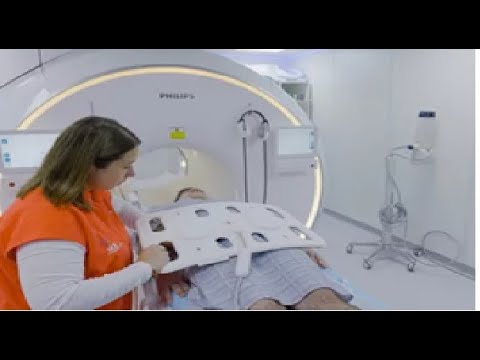
Hey there! So, have you ever had an MRI? Those big machines can be kinda intimidating, right? But guess what? They’ve come a long way, and we’re talking about some seriously cool advancements in MRI imaging.
Imagine getting a peek inside your body without any surgery. Sounds magical, doesn’t it? Well, with the new technology out there, that’s exactly what’s happening. Advanced MRI solutions are changing the game when it comes to diagnosing and understanding health conditions.
No more guessing or vague results! These innovations are making it easier for doctors to see what’s really going on. And trust me, it can make a world of difference in treatment!
Stick around! Let’s dive into how these advanced imaging techniques are revolutionizing health care for all of us.
Transforming Diagnostic Imaging: How AI Enhances Accuracy and Efficiency
So, let’s talk about something pretty cool in the world of healthcare: AI and diagnostic imaging. You might be thinking, “What’s that all about?” Well, it’s basically how technology is shaking things up when it comes to getting those important images of what’s happening inside our bodies.
Imagine you’re at a family gathering. Everyone’s chatting, and you’re trying to catch snippets of conversations. Now picture AI as the super helper at that gathering. It listens in on every conversation, picks out the important bits, and helps you understand what’s going on without overwhelming you with info. That’s kind of what AI does with medical images!
Here are a few ways AI is really making a difference:
- Improved accuracy: Sometimes doctors miss tiny details in scans. AI helps spot those little things by analyzing images faster and more precisely.
- Faster results: Waiting for results can feel like an eternity! With AI, imaging can be processed quicker, meaning patients get their results sooner.
- Streamlined workflow: MRI machines can be busy! AI improves efficiency by optimizing how these machines are used—less downtime means more patients can be seen.
- Less human error: We’re all human, right? Mistakes happen. AI reduces the chances of errors that might come from fatigue or misjudgment.
Let me tell you a little story. A friend of mine once had an MRI done because she was feeling some weird pain in her leg. She was stressed about it—it took ages for her to get her results back! When they finally came in, there was this tiny detail the doctor had missed initially—but luckily, AI kicked in later on during a review and caught it. Imagine if more scans could benefit from that sort of help right away!
But remember, while AI makes things easier and better in so many ways, it doesn’t replace doctors or healthcare pros. They’re still essential to make those pesky decisions based on what the images show.
So next time you hear about advanced MRI imaging solutions or AI in diagnostics just know there’s some amazing tech working behind the scenes to keep us all healthy and informed! Isn’t that fascinating?
Revolutionizing Medical Imaging: The Role of Artificial Intelligence in Enhancing Diagnostic Accuracy – PDF Guide
Alright, let’s dive into something that’s really changing the game in health care: **artificial intelligence** (or AI, if you want to keep it casual). You might be wondering how it’s shaking things up in **medical imaging**. Well, here’s the scoop!
AI is like that really smart friend who helps you out with your homework. It analyzes data from medical images, like MRIs and CT scans, to spot patterns that even the best human eyes might miss. I mean, wouldn’t it be amazing to have that level of support when it comes to health?
Some key points about AI’s role in medical imaging:
- Better Accuracy: AI algorithms can help radiologists make more precise diagnoses by identifying tiny details. Imagine catching something super small that could make a big difference in treatment!
- Speed: With AI, the process of analyzing images gets quicker. Just think about it—less waiting for results means more timely care for patients.
- Reducing Errors: Humans are awesome, but we all make mistakes. AI helps minimize those slip-ups by providing a second pair of eyes.
- Predictive Analytics: This tech can even predict potential future issues before they become serious. Like having a crystal ball for your health!
Let me tell you a little story—my friend Sarah had an MRI last year because she wasn’t feeling quite right. The doctors were searching hard but couldn’t fully figure it out at first. Then they used some advanced imaging tech powered by AI and bam! They caught something they had missed before. That made all the difference in her treatment plan.
But hey, here’s an important reminder: while AI is making huge strides, it doesn’t replace good old healthcare professionals. They’re still key players! So next time you hear about **advanced MRI imaging** solutions or **AI breakthroughs**, know there’s some serious brainpower working to enhance accuracy and speed in diagnosis.
The future looks bright with this tech on our side!
Revolutionizing Healthcare: The Impact of AI on Medical Imaging Research
Alright, let’s dive into the world of AI and medical imaging! You know how it feels when you’re waiting for results from an MRI. It can be a bit nerve-wracking, right? But guess what? With new advancements in AI, this whole process is becoming way more efficient and accurate.
So, what’s the deal with AI in medical imaging? It’s all about using clever computer algorithms to analyze images faster than ever. Basically, these algorithms can pick up tiny details that might be missed by the human eye. Imagine having a super-smart assistant who’s always there to help doctors spot issues. Sounds amazing, huh?
Here are some key points on how AI is shaking things up:
- Speed: AI can scan through loads of images in a snap! This helps speed up diagnosis time.
- Accuracy: Studies show that AI can sometimes diagnose conditions more accurately than radiologists.
- Predictive Analysis: AI doesn’t just see what’s there; it can also predict potential issues before they even happen.
- User-friendly: Doctors get clearer insights without having to wade through mountains of data themselves.
A little story for you: I once heard about a patient who had been feeling under the weather for weeks. After getting an MRI, it took days for her doctor to analyze the results. But thanks to new AI tools, she could’ve received her diagnosis in record time! That meant starting treatment sooner and feeling better faster.
But hey, while this tech is super cool, it doesn’t replace human touch or expertise! Doctors are still essential for interpreting those results and making decisions based on them. You see, tech can assist, but the final call is still in human hands.
The future of healthcare seems bright with this fusion of human expertise and AI! And who knows? Maybe one day waiting for those MRI results will be much less stressful thanks to these advancements! Keep an eye on these changes—it’s going to be quite a ride!
Revolutionizing Healthcare: The Impact of AI on Medical Imaging and Diagnostics
AI in healthcare? Oh man, it’s like the coolest thing happening right now! Especially when we talk about medical imaging and diagnostics. Have you ever wondered how doctors figure out what’s wrong with us? They often rely on scans like MRIs, CTs, and X-rays. That’s where AI steps in to shake things up a bit.
So, what exactly is AI doing in this world of medical imaging? Well, here’s a quick breakdown:
- Speeding Up Processes: Imagine waiting days for your test results. Totally stressful, right? AI can help analyze images way faster than humans. This means doctors get results quicker.
- Improving Accuracy: Sometimes, it’s super tricky to spot problems in scans (like tiny tumors!). AI helps by highlighting these areas for radiologists. It’s like having an extra set of eyes!
- Predictive Analytics: Some AIs can even predict potential health issues just by looking at past scans or data. It’s like crystal ball stuff but for health!
- Personalized Insights: With more data from various patients, AI helps doctors tailor treatments specifically for you. So no more one-size-fits-all approaches.
Let me share a little story: my friend Sarah had been feeling off for months but couldn’t quite pin down why. After some scans revealed a problem that was almost missed without the help of AI technology, she got the treatment she needed fast. It was such a relief!
So yeah, while we still need good ol’ human expertise behind those machines and screens, having AI is changing the game entirely. Just remember though—don’t ditch chatting with your doc! Technology is great, but professional healthcare always comes first when it comes to your health decisions.
So, you know how sometimes you just get this feeling that something amazing is happening in the world of health? And it’s like, “Wow, science is really kicking it up a notch!” Well, that’s exactly how I feel about advanced MRI imaging.
I remember my friend Sarah—she was super scared about some back pain that just wouldn’t quit. You know how it goes; when something hurts bad enough, your mind starts running wild with all sorts of scenarios. Anyway, she went in for an MRI, and it totally changed the game for her. The images were so clear that the doctors could see exactly what was going on. Talk about a relief!
These new MRI machines are like magic windows into our bodies. They can show detailed slices of our insides that help doctors pinpoint issues way more accurately than before. So, instead of guessing what’s wrong or doing trial-and-error treatments, they can actually see it! Isn’t that fantastic?
Another thing I’ve seen is how these advanced imaging solutions can pick up stuff earlier than ever. Like, if something’s brewing in there—say a tiny tumor or some other concern—these machines can catch them before they become big deals. It’s like having a superhero on your health team!
And let’s not forget about how much more comfortable and efficient these new machines are becoming too. No one likes being stuffed into those big old tubes while noises rumble around you, right? But now they’re working on making the whole experience less nerve-wracking and way quicker.
But hey! It’s essential to remember that while these advancements sound super cool—and they truly are—they can’t replace professional care or advice from health experts. They’re just tools in the toolbox to help us stay healthy.
At the end of the day, when I think about advanced MRI imaging solutions transforming healthcare as we know it—I can’t help but feel hopeful. It feels good to know there are smarter ways to tackle health problems out there! So next time you hear someone mention an MRI, maybe you’ll think of it as more than just another test but as part of this exciting revolution in health care!
