

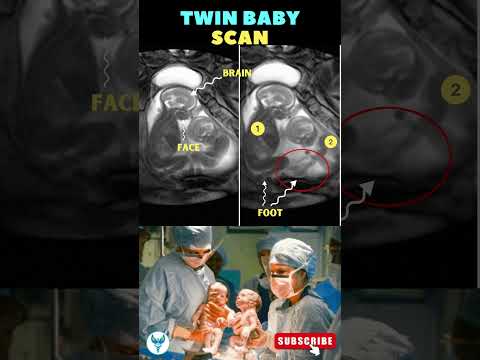
Hey there! So, let’s chat about something super interesting today: caring for twins, triplets, or even more. That’s right—multiple pregnancies are a whole different ballgame!
Imagine the excitement (and maybe a little anxiety) of expecting not just one tiny human but two or three. It’s double the joy, but also double the challenges. Seriously, it can be wild!
But guess what? We’re living in a time filled with cool innovations that make this journey a bit smoother for parents. From advanced prenatal care to nifty gadgets designed for multiple babies, there’s so much going on.
If you’re curious about how these developments change the game in multiple gestation care, stick around! You’re gonna love hearing about all the ways folks can thrive during this unique adventure.
Exploring the Unique Traits of Di Di Twins: A Comprehensive Overview
Alright, let’s chat about something pretty fascinating: Di Di twins! You know, they’re also known as dichorionic-diamniotic twins. Sounds fancy, right? But what does it really mean? Well, imagine two little bundles of joy growing in their own cozy spaces.
What are Di Di twins? These twins develop in separate sacs with their own placentas. This setup makes them the most independent type of identical or fraternal twins you can have. It’s like having two rooms in a house instead of sharing one!
Key traits of Di Di twins:
- Independence: Since they each have their own placenta and amniotic sac, they generally don’t share nutrients or blood flow. This can lead to fewer complications during pregnancy.
- Genetic diversity: They can be identical or fraternal. Identical twins come from a single fertilized egg that splits, while fraternal twins come from two separate eggs fertilized at the same time.
- Gender differences: They can be both boys, both girls, or one of each! So you could end up with a pair who look totally different from each other.
Now let me tell you a little story. A friend of mine has Di Di twin girls. When she first found out she was having twins, there was excitement mixed with sheer panic! But once those girls arrived—wow—double trouble and double cuteness! They might look different sometimes; one has curly hair while the other has straight locks. It’s like having two little personalities shining through.
Caring for Di Di twins involves some unique considerations too. Parents often need more hands on deck! And yeah, things can get chaotic; just imagine juggling two babies crying at once. It’s definitely an adventure!
In terms of prenatal care, it’s crucial for expecting moms to attend regular check-ups to ensure everything’s going smoothly with both babies. Keeping an eye on growth and health is super important.
So there you go! Whether you’re thinking about having kids or just curious about this twin gig, knowing about Di Di twins adds some sparkle to your understanding of multiple gestation. Just remember though: always consult professionals when it comes to health matters!
Understanding the High-Risk Factors Associated with Multiple Gestation
So, you know how exciting it can be when you hear about someone expecting twins or even more? Double the joy, right? But with that excitement comes a few risks and considerations that are super important to keep in mind. Let’s dive into some high-risk factors associated with multiple gestation. Just remember, this info doesn’t replace a chat with a healthcare professional!
First off, age can play a big role. Women who are older, particularly over 35, might face more challenges during multiple pregnancies. It’s not like there’s a specific limit—age affects everything differently for everyone.
Another factor is weight. Being overweight or underweight before pregnancy can lead to complications. Having the right body mass index (BMI) can help things go smoother. It’s pretty wild how much what you ate as a kid still matters today!
Now, let’s talk about family history. If you have relatives who’ve had twins or multiples, you might be at a higher risk yourself! It’s kinda like inheriting your grandma’s famous cookie recipe—some things just run in the family.
Then there’s previous pregnancies. If you’ve been pregnant before and had complications, especially with multiples, it might raise the stakes for future pregnancies. Some things just don’t get easier the second time around…or third time around!
And we can’t forget about fertility treatments! If someone has needed help getting pregnant through treatments like IVF (that’s in vitro fertilization), they’re more likely to have multiples too. It’s fascinating how technology has changed so much about starting families.
Lastly, sometimes uterine issues can complicate things as well. If there are any structural issues with the uterus beforehand, that could put extra pressure on a multiple pregnancy.
So yeah, while welcoming twins or triplets is such an incredible journey filled with joy and excitement, it does come with its own set of challenges and risks! Staying informed and connected to your healthcare team is super important for navigating these waters. That way you get to focus on all those sweet moments along the way!
Discovering the Peak Week for Didi Twin Births: Insights and Statistics
So, let’s talk about the fascinating world of twin births, specifically Didi twins. You might be wondering what the heck Didi means. Well, it refers to “dichorionic-diamniotic” twins, which are basically twins that each have their own individual placenta and amniotic sac. Pretty cool, right?
Now, when it comes to figuring out the peak week for these twin births, there are some interesting insights and stats we can dive into. Generally speaking, most twin pregnancies last a bit less time than singletons—around 35 to 37 weeks is common for Didi twins. Sometimes they even arrive early! But here’s a fun tidbit: studies suggest that a lot of Didi twins tend to be born between weeks 36 and 37.
- Individual Placentas: Each twin has its own space in there.
- Birth Timing: Peak birth weeks often cluster around 36-37.
- Variability: Of course, not every pregnancy goes by the book!
I remember when my friend Kelly was pregnant with her twins. She was super anxious about when they’d arrive. She thought she’d have them at 39 weeks like her first kiddo but ended up delivering at 36 weeks instead! It was a wild ride but also such an exciting time.
Twins can come with their own set of surprises and quirks, so it’s essential for expectant moms to have regular check-ups and stay in touch with healthcare pros who know all about multiple births. They’ll help track things as the big day approaches!
In summary, while you can’t pinpoint an exact day for twin arrivals—especially with everything being so variable—it’s helpful to keep those peak weeks in mind if you’re expecting Didi twins or know someone who is! Just remember: each pregnancy is unique as the little ones being born!
Exploring Delivery Options for Multiple Gestation: A Comprehensive Guide
So, you’re getting double the joy with a pregnancy that involves twins or more? Wow, that’s so exciting! But along with all the happiness comes a few questions, especially when it comes to how you’ll give birth. Here’s a friendly rundown on the delivery options for multiple gestation.
First off, let’s talk about vaginal delivery. Yes, it’s possible! Many women can deliver twins naturally if everything is going smoothly. The doctor will monitor you closely to make sure both babies are in good positions. Sometimes they might be side by side or one on top of the other, and as long as they’re healthy, vaginal delivery can be a go!
On the flip side, there’s cesarean delivery, or C-section. This option might be recommended if there are complications or if one baby is breech (meaning they’re not in the head-down position). It can feel a bit daunting but hey—it’s pretty common with multiples!
Another thing to consider is the team approach. You’ll usually have a whole crew around you during labor and delivery! This includes your OB-GYN and maybe even some specialists who know all about multiple births. Their job is to keep an eye on you and your little ones throughout.
And let’s not forget about support! Having friends or family there can be super helpful. It can be overwhelming at times—like that moment when I saw my friend see her two babies for the first time! The joy was beyond words!
In addition to these options, many parents also think about things like:
- Your health and comfort level.
- The babies’ health and position.
- The hospital’s resources and policies.
- What feels right for your family!
You see? There are various paths you might take, but they all lead to that amazing moment of meeting your little ones. And remember, what works for one person may not work for another—it really depends on individual circumstances. Always chat with your healthcare provider; they’ll help you navigate this exciting journey!
So there we go—a little glimpse into what choosing a delivery method for multiples looks like! Exciting times ahead!
You know, when I think about multiple gestation care, I can’t help but feel this rush of emotions. I mean, having twins or triplets—how incredible is that? On one hand, it’s double (or triple!) the joy, laughter, and love. But on the other hand, it comes with its own set of challenges that can be pretty overwhelming.
Just the other day, I was chatting with a friend who’s an expectant mom of twins. She was glowing but also super nervous about what was ahead. I noticed her juggling baby clothes, prenatal vitamins, and endless lists of things to do. It hit me then how crucial proper care is for these special pregnancies. After all, carrying more than one baby means more appointments and a bit more self-care. It’s a whole new ballgame!
The good news is that there’ve been some really cool innovations in how healthcare providers handle multiple pregnancies these days. For instance, technology has come a long way! There are fancy ultrasound machines now that can show you the tiniest details of both babies at once. Imagine getting to see both their little heartbeats flickering on the screen! Magical right?
And let’s not forget about educational resources getting a serious upgrade! Now there are apps designed specifically for expectant parents of multiples—offering tips on everything from nutrition to managing those late-night feedings. Can you believe it? Having that kind of support at your fingertips must make things feel a little less daunting.
But that’s not all! With advancements in research and prenatal care methods, doctors now understand better how to monitor both babies effectively throughout the pregnancy journey. It’s like they have their eyes on every little thing happening inside—talk about peace of mind!
This wave of innovation reminds us that community support is just as important as medical advancements. It’s vital for parents to reach out and connect with others going through similar experiences. Whether it’s through local groups or online forums where people share their stories and tips—it makes an enormous difference in navigating this joyful yet tricky path.
In the end, while we celebrate double (or triple) the joy during this exciting time in life, it’s essential to remember that with proper care and support systems in place, parents can truly thrive during these double blessings. So shout out to all the parents-to-be who are gearing up for this wild ride—you got this!
