

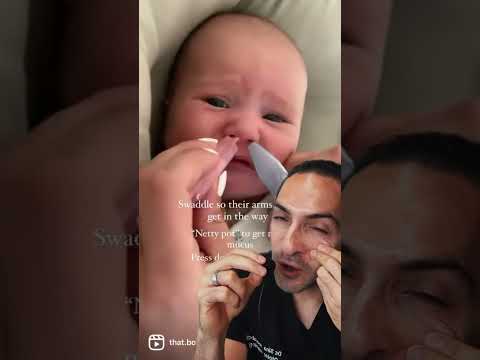
Hey there! Have you ever seen a tiny baby struggling to breathe? It’s kinda heartbreaking, right? Those little noses can get so blocked up, it’s tough for them to catch their breath—or even sleep!
So, what’s the deal with infant nasal blockage? Well, it happens more often than you think. You know, babies are still figuring out how to navigate this big world, and sometimes their little bodies just need a little help.
In this chat, we’re diving into some innovative solutions to make breathing easier for those adorable munchkins. And believe me, when they breathe easy, everybody’s life improves! Who doesn’t want a happy baby and some peace of mind? Let’s hop in and break down everything you should know!
Effective Methods to Relieve Nasal Congestion in Infants: A Comprehensive Guide
It can be really tough to see your little one struggling with nasal congestion, right? It makes it hard for them to breathe comfortably and can disrupt their sleep. So, let’s chat about some gentle and effective ways to help relieve that stuffy nose in infants. Just remember, if you’ve got concerns, always reach out to a healthcare professional.
Humidifiers are your friend. Adding moisture to the air helps keep the nasal passages open and eases breathing. You can find cool-mist humidifiers that are perfect for a baby’s room. Just make sure to clean it regularly so no funky stuff builds up!
Suction devices can be super handy too. There are bulb syringes and electric aspirators made specifically for babies. These can help remove mucus gently but be careful not to overdo it; too much suction can irritate their little noses!
Saline drops work wonders as well! A couple of drops in each nostril can thin out the mucus, making it easier for you to suction out later or just help them breathe better.
Keeping your baby upright during feedings or playtime can also ease congestion. You know how you feel a bit better sitting up when you’re stuffed up? Same goes for them!
Sometimes a warm bath can help too! The steam from the water works like magic on those congested little noses. Plus, it’s a great way to get some cuddle time!
Oh, and let’s chat about breast milk. If you’re breastfeeding, those antibodies in there are like little superheroes fighting germs! If you’re using formula, don’t stress—just make sure they’re staying hydrated.
Incorporating these methods might really help your infant feel more comfortable during those pesky congestion spells. Just keep an eye on things because if they seem really uncomfortable or have trouble breathing, don’t hesitate to check in with a healthcare pro.
Effective Nebulizer Solutions for Relieving Blocked Nose in Babies
Hey there! If you’re a parent, you know how tough it can be to see your little one struggling with a blocked nose. It can be super frustrating for both babies and parents. And let’s face it, a stuffy nose means sleepless nights and cranky days. So, what can you do? One option that some parents look into is using a nebulizer.
A **nebulizer** is a device that turns liquid medicine into mist, making it easier for your baby to breathe in. It’s often used for things like asthma or allergies, but some families find it helpful for clearing nasal congestion too. Just keep in mind that while they can offer some relief, they don’t replace professional healthcare advice.
Now, if you’re thinking of using nebulizer solutions specifically for nasal blockage in babies, you might come across a few options:
- Saline Solution: This is basically salt water! It helps moisten the nasal passages and make it easier to clear mucus. Many parents swear by this simple solution.
- Normal Saline Mist: This is another variation of saline that may be particularly soothing and effective when used in a nebulizer.
- Aqueous Nasal Drops: These are gentle drops that can help reduce dryness and keep things flowing more smoothly up there.
So here’s an emotional little story: my friend had a baby who got sick right before his first birthday. She felt completely helpless watching him suffer from congestion. One night she decided to try the nebulizer with saline solution after talking to her pediatrician—nothing fancy but so effective! The next day saw him breathing easier and smiling again.
It’s amazing how something as simple as humidity from saline can make such a difference! But remember: always check with your healthcare provider before starting anything new with your baby. They’ll guide you on what’s best based on their needs.
If your little one has wheezing or other symptoms alongside the blocked nose, definitely reach out to a professional because sometimes what seems like just congestion could be something more serious! I hope this helps ease those worries just a bit.
The Ultimate Guide to Choosing the Best Nasal Decongestant for Infants
Choosing the right nasal decongestant for your little one can feel like a daunting task. I mean, who knew sniffles could lead to such stress, right? When your baby’s having a tough time breathing due to a stuffy nose, it’s easy to feel overwhelmed. Here’s a friendly breakdown of what you need to know about finding the best nasal decongestant for infants.
Consider the age: Not all decongestants are suitable for tiny tots. Always check the age recommendations on the package. Some products are meant for older kids or adults and can be unsafe for babies.
Look at the ingredients: You really wanna pay attention to what’s inside. Common ingredients include saline (which helps moisten and clear out mucus) or natural extracts that might be gentler on delicate systems. You definitely want something that soothes rather than irritates.
- Saline solutions: These are safe and help in thinning mucus, making it easier for babies to breathe.
- Menthol and eucalyptus: Some parents find these helpful, but it’s important to use them cautiously since babies have sensitive skin and airways.
Delivery method is key: How your little one gets relief matters, too! Nasal sprays might seem easy but think about how they’ll react. A dropper might be a gentler option; just remember to be careful when administering anything to those tiny noses!
Now, I remember when my nephew was born and had his first cold. My sister was so worried because he couldn’t breathe properly. After some trial and error with various products, she found a saline spray that worked wonders! It was gentle enough not to freak him out yet still did the job.
If in doubt, ask! Don’t hesitate to reach out to your pediatrician if you’re unsure about what’s best. They can guide you based on your baby’s specific needs.
At the end of the day, picking a nasal decongestant isn’t just about grabbing whatever’s on sale at the store. It’s all about understanding what helps your little one breathe easier while being totally safe at the same time! Keep that in mind as you navigate this journey—your baby deserves it!
Optimal Sleeping Positions for Babies with a Stuffy Nose: Tips for Better Breathing
Hey there! So, you’re dealing with a little one who’s got a stuffed-up nose? Ugh, that can be tough. It’s no fun seeing them all blocked up and uncomfortable. Let’s chat about some sleeping positions that might help your baby breathe a bit easier while they snooze.
First off, you definitely want to avoid laying your baby flat on their back when they have nasal congestion. This can make it harder for them to breathe. Instead, consider propping up their head slightly while they sleep. You can do this by placing a rolled-up towel under the mattress or adding an extra blanket under the fitted sheet at the top. Just be careful that everything is secure and safe!
Also, if your baby feels comfortable, you might try having them sleep on their side for a little while. This position can sometimes help open up those airways better too. Just make sure to keep an eye on them so they don’t roll over onto their tummy—safety first!
And hey, keeping the room air moist can work wonders! A humidifier might help clear out those stuffy passages and make it easier for your little one to breathe soundly through the night.
Here are some quick pointers:
- Avoid flat sleeping: Prop up their head slightly.
- Side sleeping: Can help with breathing but watch for rolling.
- Humidify: Use a humidifier for better air quality.
I remember when my niece was tiny; she would get congested often. I’d see her struggling to nap peacefully and it broke my heart! We tried some of these tips, and while results varied, it was always nice knowing we were doing what we could to help her feel better.
But remember—these suggestions don’t replace what doctors say or any professional advice you might get from healthcare experts. Always reach out if you’re unsure what’s best for your little one. Happy parenting!
Ah, the joys of parenthood! You know, it’s all cuddles and giggles until those little noses get stuffy. I remember a night when my friend’s tiny baby just wouldn’t stop crying. She was on the brink of madness while trying to soothe her congested little one. It’s heartbreaking to see them struggle for breath, isn’t it?
Nasal blockage in infants can be pretty common, especially with colds, allergies, or just plain old dry air. Baby noses aren’t exactly equipped for heavy duty defense against all those germs floating around. So what do we do? Well, there are a few nifty tricks that parents have been turning to lately.
First off, saline nasal drops can be your best buddy. Just a couple of drops in each nostril can help loosen up that gunky stuff inside their little noses. It’s like giving them a tiny refresher course on breathing! It sounds simple but trust me—it works wonders.
Another thing folks rave about is the nasal aspirator. Now, before you cringe at the thought, these gadgets are pretty clever! They come in all shapes and sizes—some even work by creating a gentle suction through your mouth. Definitely not the most glamorous task though… but when you see that instant relief on your baby’s face? Totally worth it!
And hey, let’s not forget about keeping that air moist! A humidifier can be a game changer during dry seasons or whenever that heater’s cranking up in winter. I mean, who wouldn’t want some cozy mist dancing around the room?
Of course, every baby is different, and what works for one might not work for another—just good ol’ trial and error until you find what suits your munchkin best. And remember: if things get really rough or there’s any doubt at all, it’s always smart to chat with your healthcare provider.
So there you have it! While navigating the world of infant nasal blockage can feel overwhelming sometimes—it helps knowing you’re not alone out there!
