

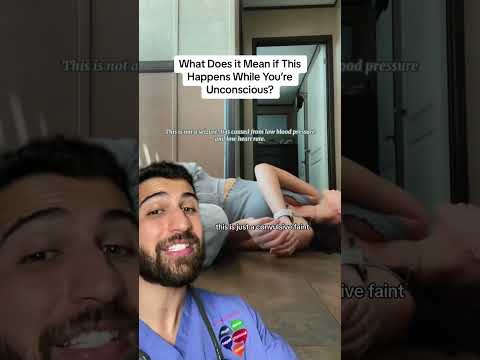
Hey there! Have you ever felt dizzy, like you might just faint, and wondered what the heck was going on? Yeah, that can be scary. You’re definitely not alone.
So, let’s dive into this thing called neurocardiogenic syncope. Sounds fancy, huh? Basically, it’s when your body pulls a surprise stunt: your heart rate drops, blood flow takes a nosedive, and bam—you hit the floor.
It’s one of those tricky challenges that can leave you feeling pretty disoriented. And trust me, it affects way more than just your balance; it can really mess with your life and daily routine.
But don’t worry! We’re gonna chat about managing these ups and downs together. Because understanding neurocardiogenic syncope is the first step to tackling its chaos! Ready? Let’s go!
Understanding Neurocardiogenic Syncope: Can You Outgrow This Condition?
Hey there! So, let’s chat about something called neurocardiogenic syncope. Sounds fancy, right? But don’t worry, it’s not as complicated as it sounds. Basically, it’s when you faint or feel super dizzy because your body has a hiccup in how it regulates blood flow. Your brain kinda goes: “Whoa!” and suddenly you feel lightheaded or drop to the floor.
You might be wondering what causes this whole thing. Well, a lot of times it’s triggered by standing up too fast, being stressed out, or even just feeling really hot. Imagine you’re at a concert, the crowd is bumping, and suddenly—bam!—you feel woozy. That’s your body saying “Hold on!”
Now to the big question: Can you outgrow neurocardiogenic syncope? The answer isn’t straightforward. Some people do seem to grow out of it as they get older. For example, I had a friend in high school who passed out during gym class all the time. Super embarrassing for him! But guess what? By the time he hit his twenties, he had totally stopped fainting. Lucky him!
But here’s where it gets a bit tricky: not everyone is the same. While some folks may find that their symptoms ease up or disappear with age, others might continue having issues into adulthood. It can all depend on your individual health and triggers.
So if you’re dealing with this yourself or know someone who is—it’s definitely worth keeping an eye on things and chatting with a healthcare professional about what might work best for you.
- Symptoms can vary: Lightheadedness, dizziness, and fainting are common.
- Triggers: Stress, heat, or standing up quickly often cause episodes.
- Ages matter: Some kids may grow out of it by their teen years; others may not.
- Your unique journey: Everyone has different experiences—hang in there!
The bottom line is that while some people might leave neurocardiogenic syncope behind as they age, it’s important to focus on individual experiences and talk with your doctor about what’s going on with your body.
Effective Strategies to Recover from Syncope Episodes
So, let’s chat about syncope episodes, shall we? I mean, those moments when you suddenly feel lightheaded and might even pass out — yikes! It can be a bit freaky and leave you scratching your head. What do you do afterward?
First off, syncope is just a fancy word for fainting. And it happens because of a drop in blood flow to the brain. Neurocardiogenic syncope is one common type, usually caused by stress or sudden changes in position. You know, things like standing up too fast. The good news is there are some strategies that may help you bounce back more smoothly after these episodes.
Stay Hydrated: Water is your best buddy here! Keeping yourself hydrated can help maintain blood pressure and circulation. You might be surprised at how simple that sounds but trust me, it’s super important.
Get Some Salt: Adding a little extra salt to your meals could lift your game when it comes to blood pressure levels. Just don’t go overboard—you want to feel good, not bloated!
Move Slowly: If you’ve just had an episode, try to get up slowly from lying down or sitting positions. Think of it like being on a rollercoaster—you don’t want to rush into the next big drop!
Wear Compression Garments: Ever thought about wearing compression stockings? They can help keep the blood flowing in the right direction instead of pooling in your legs.
Avoid Triggers: This one’s key! If certain situations make you feel woozy—like long lines or hot rooms—do what you can to dodge them. Your comfort counts!
You know what can really help? Talking openly with friends and family about what you’re experiencing. When I had my first fainting episode at work, I felt so alone until I opened up about it with my coworkers. Turns out, several others had gone through similar experiences! Having that support made all the difference for me.
And remember: while these strategies can be helpful for some folks after an episode, they aren’t substitutes for professional care. Always seek guidance from healthcare professionals when dealing with health concerns or conditions like syncope.
So next time you’re feeling off-kilter after an episode, keep these tips in mind and remember—you’re not alone in this journey!
Understanding Vasovagal Syncope: Risk Factors and Life-Threatening Concerns
So, let’s chat about something called vasovagal syncope. It might sound fancy, but it basically means fainting. It’s when your body freaks out for a second and decides to take a little nap—right there on the spot. Crazy, right?
Now, this isn’t just some random thing that happens to anyone. There are actually risk factors. If you know what they are, it can help you understand how common this is. Here are a few:
- Stress or anxiety—You know that feeling when you’re super nervous before a big presentation? Yep, that can trigger it.
- Pain—Ever stubbed your toe really hard? That sudden shock can sometimes make you faint.
- Dehydration—If you’re not drinking enough water, your blood pressure drops and bam! You could be on the floor.
- Prolonged standing—Think about waiting in line forever at the DMV. Not fun for your blood flow!
The scary part? Sometimes vasovagal syncope can **seem** harmless! But here’s where it gets tricky. If someone faints and falls awkwardly or hits their head, things could get serious fast! So it’s not just a cute story to tell friends later.
And just so we’re clear, if someone you know has had these episodes often or the fainting spells seem intense, it’s important to nudge them toward seeing a healthcare professional. You want them to stay safe!
Anyway, knowing what triggers this kind of fainting can help people feel more in control. You see someone start to feel dizzy? Maybe they’re sweating and looking pale? Getting them to sit down or lie down can do wonders until they’re feeling better.
If you’re curious about feeling faint sometimes, well now you know there’s usually more going on than just ‘not eating enough’ or ‘being tired.’ Knowledge is power, right?
So remember: vasovagal syncope doesn’t have to be terrifying if understood properly. Just keep an eye out for those risk factors!
Understanding the Causes of Vasovagal Syncope: Insights and Information
So, let’s chat about vasovagal syncope. You might have heard of it as fainting or passing out – that moment when you’re feeling totally fine one second and then boom, you’re on the floor. It can be super scary, but understanding it a bit better can help ease those fears.
Vasovagal syncope is actually pretty common. It happens when your body overreacts to certain triggers. This reaction causes a sudden drop in heart rate and blood pressure. When this happens, your brain doesn’t get enough blood, and that’s usually when you take a little tumble.
What causes this reaction? Well, there are several things that can lead to it:
- Stress or anxiety: Ever felt lightheaded during a particularly stressful moment? Yep, that’s one trigger!
- Pain: Severe pain from an injury or even just getting a shot can set off the fainting reflex.
- Prolonged standing: Just standing there for too long? Your body might say “nope” and down you go.
- Dehydration: If you’re not drinking enough water, your blood volume drops, which makes it easier to faint.
- Heat: Hot weather or being in a warm room can cause you to feel woozy.
And here’s something interesting: some people just have a sensitive nervous system. For them, even minor triggers could send them spiraling into a faint.
I remember the time my friend Sarah almost passed out at her graduation ceremony. She was so excited and standing there for ages in the sun without much water. The moment she heard her name called, she felt dizzy and then bam! She hit the ground! Luckily, she was fine after resting for a bit.
Just remember that if you or someone else experiences these episodes frequently, it’s super important to chat with a healthcare professional about it. They can help figure things out better than I could ever do here!
So in short—vasovagal syncope is your body’s dramatic way of saying it’s overwhelmed by certain triggers! Stay hydrated, take breaks when needed and always listen to your body!
You ever feel like your body just isn’t cooperating? It’s a wild ride when you’re going about your day and suddenly, bam! You feel dizzy, maybe a little faint, and there it goes—everything starts to swirl. That’s kind of what neurocardiogenic syncope is all about. It sounds super complicated, right? But really, it’s just the fancy name for a sudden drop in blood flow to the brain that makes you faint.
Let me tell you about my friend Sarah. One time, we were at this concert—having a blast! The music was pumping, and we were dancing like nobody was watching. But then, out of nowhere, Sarah went pale and collapsed right in front of me. I felt my heart drop as I rushed over to her. Thankfully she came to quickly—and after a quick check-up at the hospital later that night, they said it was neurocardiogenic syncope. Who knew something so creepy could happen in the middle of all that fun?
So what causes this whole thing? Well, sometimes your body just gets confused and thinks it’s under some kind of stress when it really isn’t. It can happen when you’re standing for too long or if you’re dehydrated—or even just when you’re feeling anxious or overwhelmed.
Now here’s the kicker: it can be super tricky to figure out how to manage these episodes because they hit different folks in different ways. Some people might need adjustments in their lifestyle—like increasing their salt intake (as crazy as that sounds) or drinking more fluids throughout the day. Others might need meds or some cool tricks like wearing compression stockings to keep their blood where it’s supposed to be.
But here’s the silver lining: there are ways to navigate these challenges! The more we talk about stuff like neurocardiogenic syncope—the more people learn about it—the better our understanding gets, right? It’s all part of making sure that no one feels alone with these experiences.
And if you have a friend who’s been through something similar—check in on them! Seriously, emotional support is huge while dealing with any health concern. Sometimes just knowing someone cares can make all the difference when life throws you one of those curveballs.
So yeah—our bodies are quirky little machines with mysteries sometimes (you know what I mean?). If you ever feel off or have questions about health stuff like this, it’s always good to reach out and chat with someone who knows—the experts can guide us through this wild journey we call life!
