

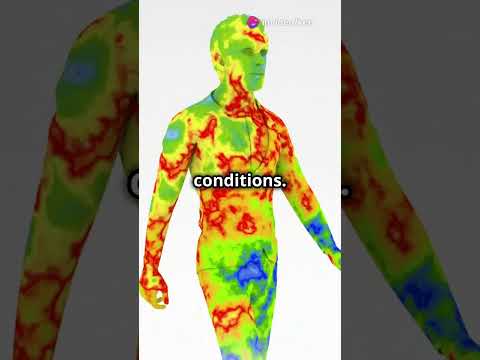
Hey there! So, let’s chat about something that’s been on my mind lately—body temperature. Yup, you heard me right!
You might think, “What’s the big deal?” Well, it turns out our body temperature says a ton about our health. It can tell us if we’re feeling under the weather or if we’re just hot because it’s summer. Crazy, right?
It’s not just about numbers on a thermometer. It’s about understanding what those numbers mean for you. Let’s dive into this world of warmth and coolness together and figure out why knowing your body temp is way more important than you’d think! So, grab a drink, and let’s get started!
Understanding Body Temperature: A Comprehensive Guide to Interpretation and Insights
So, let’s chat about body temperature. It’s something we all have, but not everyone really gets it. You know? It’s a big deal when it comes to understanding how our bodies work and what’s going on inside.
First off, what’s considered **normal** body temperature? Generally speaking, it hovers around **98.6°F** (or **37°C**). But here’s the thing: normal can vary! It’s totally normal for your temp to range from about **97°F (36.1°C)** to **100.4°F (38°C)**. Factors like time of day, level of activity, and even what you’ve eaten can influence your temp a little bit.
Now let’s get into why we care about body temperature in the first place.
- Indicator of Health: Your body temperature acts like a little warning signal. If it’s too high or low, it might mean something’s up.
- Fever Alert: A fever usually kicks in when your body is fighting off an infection or illness, often marked by temps above 100.4°F.
- Hypothermia Risk: On the flip side, if your temp dips below 95°F (35°C), that can be serious and may indicate hypothermia.
You might not think much of it until you’re curled up under a blanket with chills or sweating through your shirt in the summer heat! I remember once I thought I had the flu because I was so cold and achy. Took my temperature and bam! It was higher than usual—turns out my body was just fighting off a little cold.
And speaking of how our bodies respond; ever notice how kids tend to run hotter than adults? They usually sit around that average number but can spike quicker with fevers because their immune systems are still building up.
So what could mess with these numbers? Well, check this out:
- Circadian Rhythms: Your temp fluctuates throughout the day—often lower in the morning and peaking in the late afternoon or evening.
- Activity Level: Getting active? Expect your temp to rise while you’re moving around—a nice workout does wonders!
- Aging Factor: Older adults may have slightly different baseline temps; sometimes they don’t generate fevers as effectively.
The thing is, if you ever feel something’s off with your body temp—like persistent fever or feeling super cold—don’t hesitate to reach out to a healthcare professional for some guidance.
Just remember: keeping an eye on your body’s signals can be really insightful for maintaining good health! Stay curious and take note of how you feel; every little piece matters in understanding this amazing human machine we’re all living in!
Understanding the New Baseline Body Temperature: Key Changes and Implications for Health
Okay, so let’s talk about something you might’ve noticed in health news lately: the body temperature baseline. You know, that magic number we all grew up hearing is 98.6°F (or 37°C). Well, it turns out this number isn’t the one-size-fits-all standard we thought it was.
Recent studies suggest that the baseline body temperature might actually be a bit lower for many people now—around 97.5°F to 98.2°F. Crazy, right? So, why is this happening?
One reason could be changes in lifestyle and health. Think about it. Back in the day, people were more active and spent more time outdoors. Now, with our cozy indoor lives and all those gadgets we use, our bodies could be adjusting to different conditions.
Another factor is improvements in medical technology. The thermometers we use today can measure temperature more accurately than the thermometers from a few decades ago. It’s like going from an old dial-up internet connection to super-fast broadband! You get a clearer picture now.
-
Why does this matter?
If your normal temp is shifting lower, you might start to notice what feels like “fever” at numbers that used to seem perfectly normal. Fever can give off red flags when you’re not even sick. It’s all about understanding your own body. -
Your environment matters!
Factors like where you live—colder places versus tropical ones—or even things like pollution and overall health trends can also affect your body’s baseline temp. -
Aging changes everything!
As people age, their average body temperature often drops due to changes in metabolism and other factors. So if you’ve got older family members or friends around, keep this in mind when discussing temps!
If you ever feel off or notice something strange with your temp reading, it doesn’t hurt to check with a healthcare professional. They can give you tailored insights about what’s going on with your unique situation.
The thing is: understanding these shifts in body temperature helps us better connect with our health trends and recognize when something’s out of whack—so stay curious and listen to what your body tells you!
Understanding Normal Body Temperature in Fahrenheit: A Comprehensive Guide
So, you’ve probably heard folks say, “You’re hot!” when they’re talking about body temperature, right? Maybe you even thought they were commenting on your charm. But seriously, understanding what *normal* body temperature really means can be surprisingly important! Let’s break it down together.
First off, normal body temperature is generally considered to be around 98.6°F (Fahrenheit), but here’s the kicker: that number isn’t set in stone. It can vary quite a bit from person to person. Some might run a little cooler at 97°F, while others might be perfectly fine at 99°F. So, everyone’s different!
Now, here are a few things that can affect your body temperature:
- Time of day: Your temp can fluctuate throughout the day. It tends to be lower in the morning and reaches its peak in the late afternoon or evening.
- Activity level: After exercise or any physical activity, it’s totally normal for your body temp to rise.
- Aging: Babies and young children often have higher temps than adults. As you get older, your normal may drop a tad.
- Your cycle: For women, hormonal shifts during menstruation can lead to slight changes in temperature.
I remember once when my friend was feeling a bit off and took her temp. It read 100°F! She freaked out thinking she was sick. We later learned she had just finished an intense workout! It showed how easy it is for our bodies to fluctuate with what we do.
Now let’s chat about why knowing this stuff matters. Keeping an eye on your temperature can help you spot when something’s up with your health—whether it’s a fever or maybe even if you’re just dehydrated.
Lastly, remember this isn’t about replacing any professional healthcare advice or treatment! If you’re feeling unwell or have concerns about your health metrics—including temperature—don’t hesitate to reach out to a healthcare provider.
So there you have it! Understanding normal body temperature isn’t just some boring science lesson; it’s helpful for keeping track of your overall health and well-being!
Understanding Normal Body Temperature in Celsius: Key Facts and Insights
Hey there! So, let’s chat about something we all might take for granted: our body temperature. It’s like the thermostat of our health, you know? But what does it really mean when we talk about normal body temperature in Celsius?
The standard normal body temperature is often cited as around 37 degrees Celsius. Sounds simple, right? But here’s the kicker—it’s not set in stone. Your temperature can fluctuate throughout the day. That means you might be cooler in the morning and warmer later on. Crazy, huh?
Here are a few things to keep in mind:
- Aging Matters: As you get older, your normal body temp can actually drop a little.
- Activity Level: If you’ve just run a marathon or had a solid workout, your temp will be higher. Gotta love that post-exercise glow!
- Food and Drink: Have you ever noticed feeling warmer after a spicy meal or a hot cup of coffee? Yep, that’s because eating can cause temporary increases.
- Circadian Rhythm: Your internal clock affects your temp too—it’s usually lower at night and higher during the day.
You might think back to when your buddy was feeling under the weather. They might’ve checked their temp with one of those fancy digital thermometers and saw numbers above 37 degrees. This could mean they had a fever, which is basically your body’s way of fighting off what doesn’t belong there.
The thing is, while understanding body temperature is good info to have, it’s not everything. If you ever feel unwell or notice something off—like consistent high temperatures—you should definitely talk to someone who knows their stuff for real.
This whole body temp thing is kind of like riding a wave; it moves up and down but usually stays within that norm range. Knowing this helps us stay aware of our bodies. So next time you feel warm or chilly, think about what might be causing it!
You ever wonder why body temperature is such a big deal? I mean, we’re all born with this little thermostat built in, right? Growing up, I remember my mom would always take my temperature when I had a cold. She’d say, “Oh honey, you’ve got a fever!” If only I’d understood what that really meant back then!
Normal body temperature hovers around 98.6°F (that’s about 37°C for the metric friends out there). But here’s where it gets kinda interesting—normal isn’t always just one number. It can bounce around! Some folks might sit at a comfy 97°F, while others feel okay at 99°F or even higher. It’s like our bodies have their own personalities!
So, what gives? Well, a bunch of things can influence your temp—age, time of day (yeah, we’re often cooler in the morning), and even how active you are. Ever had a workout that made you feel like your skin was sizzling? Yup, that’s the body cranking up the heat to keep things running smoothly.
And here’s something cool (pun intended): knowing your normal is key! If yours suddenly spikes or dips and stays there, it could be worth heading to a pro. Just last year, my friend got super sick and didn’t realize her temp was way off until it stayed up for days. Talk about a wake-up call!
But don’t stress too much if you’re feeling slightly off—you know your body best! The thing is understanding those little signals it gives you and recognizing when something feels “not quite right.” So next time you check your temp, remember: It’s not just about the number; it’s about tuning into your body’s rhythms too.
So yeah, keeping an eye on that body temp isn’t just for doctors or people in lab coats. It’s part of getting to know yourself better. And who knows? You might just unlock some insights into how you’re feeling day-to-day!
