

Hey there! Did you ever stop to think about sugar? I mean, not just the sweet stuff in your coffee, but how it affects your health?
Let’s get real for a second: sugar levels can be a big deal, especially for women. It’s like that sneaky friend who shows up uninvited and starts messing with everything. You don’t want that!
We’re diving into how keeping an eye on those sugar levels can really empower your health. It’s not just about avoiding sweets; it’s way more than that. It’s about feeling great, having energy, and just living life to the fullest.
So, if you’re curious about how sugar impacts your body and what you can do to keep it in check, stick around! You deserve all the info to boost your wellness journey. Let’s get into it!
Understanding Ideal Sugar Levels in Women: Key Insights for Optimal Health
So, let’s talk sugar levels! You know how we always hear about cutting back on sugar? Well, understanding what those ideal sugar levels are can really empower your health. Especially for women, it’s key to keep an eye on this stuff.
First off, what are sugar levels anyway? Well, they refer to the amount of glucose in your blood. Glucose comes from the foods we eat, particularly carbs. When it’s in balance, everything runs smoothly. But if things get too high or too low? That can lead to some issues.
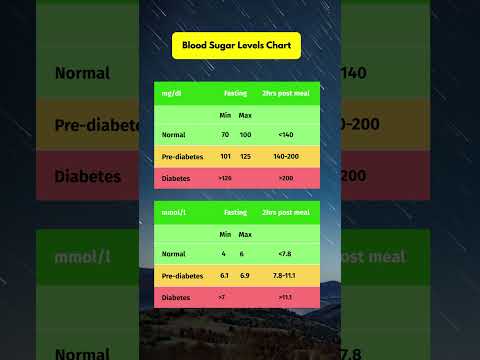
Normal sugar levels for women generally range from 70 to 100 mg/dL when fasting. After eating, though, it can go up to about 140 mg/dL. Kind of wild how food can do that, right? It’s like magic! But it’s really just your body processing what you’ve eaten.
- Why does this matter? High sugar levels can sneak up on you and lead to major health problems like diabetes or heart issues.
- Low levels, while not as talked about, can leave you feeling weak or dizzy—definitely no fun!
- Balancing acts in your daily life—like staying active and eating a varied diet—can help keep those numbers where they should be.
When I was younger, my sister had a serious sweet tooth. She could down a whole pack of cookies in one sitting without thinking twice! But one day she started feeling super tired and just *off*. Turns out her sugar levels were all over the place. A little adjustment to her eating habits made a world of difference for her energy!
To keep your sugar levels steady:
- Focus on whole foods: Fruits, veggies, whole grains—they’re way better than processed stuff.
- Don’t skip meals: That just leads to spikes and crashes!
- Stay active: A little exercise goes a long way in keeping that balance.
So remember, keeping an eye on your sugar levels is all about feeling good and staying healthy. And hey, if you’re ever unsure about anything health-related—always chat with a healthcare professional! They know their stuff and can give you the best guidance for your unique needs.
Optimal Daily Sugar Intake for Women: A Comprehensive Guide to Healthy Consumption
So, let’s chat about sugar consumption. I mean, who doesn’t love a sweet treat now and then? But when it comes to sugar intake, things can get a bit tricky. You wanna enjoy those cookies or that yummy slice of cake without going overboard. Here’s a little breakdown about optimal daily sugar intake for women.
First off, the American Heart Association suggests that women should keep their added sugar intake to about 6 teaspoons (25 grams) per day. This includes sugars that aren’t naturally occurring in foods. You know, the stuff added to soda, candy, and even some sauces. It might surprise you how quickly it adds up!
Now, let’s focus on some key points:
- Natural vs Added Sugars: Natural sugars found in fruits and veggies are generally okay. They come with nutrients and fiber.
- Read Labels: Seriously! Check out those nutrition labels to find hidden sugars in your favorite snacks.
- Sugar Alternatives: Ever tried stevia or monk fruit? They can be great options if you’re looking to cut back on sugar but still want something sweet.
- The Impact of Excess Sugar: Overdoing it can lead to weight gain and other health issues down the line—nobody wants that!
You might be wondering why it matters so much. Well now, I once had a friend who was obsessed with sugary coffee drinks. I mean, we’re talking extra shots of syrup! It was all fun and games until she started feeling sluggish and moody. Cutting back helped her feel way better!
But hey, don’t stress too much about every little gram of sugar you consume. It’s more about balance than perfection. Enjoy your treats but try not to make them a daily thing.
In the end, remember this isn’t medical advice—just friendly chit-chat about keeping things in check with sweetness! Always consider reaching out to healthcare pros for personalized guidance on your health journey.
Understanding Optimal Blood Sugar Levels for Better Health Management
Hey there! Let’s chat about blood sugar levels. You might’ve heard about them, especially when it comes to feeling good and being healthy. It’s super important to have a grasp on what **optimal blood sugar levels** actually mean for us.
So, what are blood sugar levels, anyway? Basically, they measure the amount of glucose (which is a type of sugar) in your bloodstream. Your body gets this glucose from the food you eat. That’s how you get your energy! But here’s the kicker: too much or too little glucose can mess with how you feel and function.
For most folks, optimal fasting blood sugar levels (you know, that’s when you haven’t eaten for a while) should be between **70 and 100 mg/dL**. After eating, it can go up a bit—like in the **140 mg/dL** range an hour or two after your meal. If your numbers are outside these ranges, it might be time to take a closer look.
Why does it matter? Well, think about this: If you’re constantly high on sugar, you could feel tired or irritable—who wants that? And if it dips too low? You might find yourself shaky or light-headed. No fun!
Here are some key points to keep in mind:
- Being proactive is key. Regular check-ups can help catch any issues early.
- Your diet matters! Eating balanced meals can help maintain those sweet levels.
- Stay active. Movement like walking can help keep blood sugar in check.
- Sugar isn’t the enemy. It’s all about balance; enjoying treats is okay!
You know what really helped me understand this better? A friend of mine had been feeling sluggish but just brushed it off as part of life. When she finally checked her blood sugar and realized her levels were all over the place, she made some changes—more veggies and moderate exercise—and wowza! She felt like a new person!
So remember: keeping an eye on those blood sugar numbers can make a huge difference in how you feel day-to-day. But always talk to someone who knows best if you’re having concerns—it’s super important! Your health journey is uniquely yours; embrace it!
5 Warning Signs You’re Overindulging in Sugar: Recognize the Symptoms
Hey there! So, let’s chat about sugar, shall we? We all love a little sweetness in our lives, but sometimes we might not realize when we’re going overboard. Here are five warning signs that you might be indulging a bit too much in sugar.
- You Crave Sugar All the Time: If you find yourself daydreaming about cupcakes or candy bars more than usual, it might be a sign. Seriously, your body could be asking for more sugar because it’s used to it!
- You Experience Sudden Energy Drops: Ever feel like you’re on a rollercoaster with your energy levels? If you’re high one minute after a sugary snack and then crashing hard the next, your sugar intake could be playing tricks on you.
- Your Mood Swings Are Wild: Feeling like a grumpy bear one moment and then happy as a lark the next? Yeah, sugar can mess with your mood. It can lead to those emotional ups and downs that just aren’t fun.
- Your Skin Is Not Happy: Breaking out more than usual? Blame the sugar! Too much of it can lead to skin problems. Keeping an eye on your skin is important—it’s like your body’s way of talking to you.
- You Have Trouble Sleeping: If you’re tossing and turning at night, sugar could be the culprit. Eating too much can spike your energy levels and make it harder for you to settle down.
So there you have it! Those are some signs that might indicate you’re eating more sugar than what’s best for you. Remember, this isn’t set in stone or anything; everyone is different! If you’re concerned about anything you’re feeling or experiencing, it’s always good to chat with someone who can help!
You know, when it comes to sugar, it’s super easy to overlook just how much of an impact it can have on your health. I mean, we all love a little sweetness in our lives, right? But finding that balance is key—especially for women.
I remember a time when my friend Julia was feeling sluggish and just out of sorts. We’d hang out and she would joke about her sweet tooth, hardly ever missing out on dessert after dinner. But then one day, she mentioned feeling dizzy sometimes and not really having the energy she used to. It got me thinking: could her sugar intake be playing a role?
So here’s the scoop: our bodies react differently to sugar depending on a bunch of factors including hormones. Women often experience hormonal fluctuations through different stages in life—like during menstrual cycles or menopause—which can affect how we process sugar. Crazy, right? Our bodies can be pretty complicated!
When blood sugar levels spike up because of sugary foods or drinks—and oh boy, those sugary lattes are tempting—it can lead to energy crashes later on. So you might find yourself reaching for more sweets just to keep that energy up, creating this vicious cycle. That’s where things can get tricky.
Keeping your blood sugar at an optimal level is like steering clear of the roller coaster ride—smooth sailing most of the time! Eating whole foods, fiber-rich veggies, good proteins and healthy fats helps maintain those levels more steadily. Think about it: greens in your smoothie instead of syrup? Yes, please! It’s like giving your body a nice hug instead of a wild jolt!
And hey, I get it; life happens! Cookies from the bakery down the street or that decadent chocolate cake at a birthday party are hard to resist. It’s all about moderation and not beating yourself up over enjoying something delicious now and then.
So let’s remember that while sugar is part of our lives—it’s important to keep an eye on how much we indulge in it so we can feel our best! After all, you deserve to feel energized and vibrant every single day! Just think back to Julia; after making some tweaks (with some help from her doc), she found her groove again—less crash-and-burn moments with more pep in her step.
At the end of the day, empowering yourself to manage those sugar levels can do wonders for your health! Just take small steps toward balance—you’ll totally thank yourself later!
