

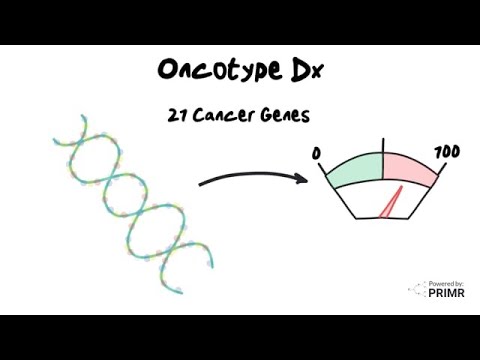
Hey there! So, have you ever heard of Oncotype DX? It’s kind of a big deal these days. Imagine getting a tailor-made treatment plan just for you, like a perfectly fitted jacket. Sounds awesome, right?
Well, that’s what Oncotype DX aims to do for cancer patients. It’s all about personalizing treatment based on your unique cancer profile. Instead of one-size-fits-all approaches, this test digs deep into the specifics of your tumor.
What if I told you that this little test could actually change how doctors decide on treatments? Crazy, huh? Stick around as we dive into how Oncotype DX is shaking things up in the world of cancer care!
Exploring the Limited Adoption of Oncotype DX in Breast Cancer Treatment: Key Factors and Insights
Breast cancer can feel like a scary topic, right? But technology is stepping in to help, and one of those changes is Oncotype DX. This test seems super promising for personalizing cancer treatment and giving women tailored options. Still, it’s not everywhere yet. Let’s dive into what’s holding it back a bit.
Oncotype DX is a test that checks the genes in your tumor. It helps doctors understand if chemotherapy will be helpful for your specific type of breast cancer. How cool is that? But even with its potential, adoption is less widespread than you’d think.
One key reason for this limited use might be cost. Many patients are left wondering if their insurance will cover the test or the treatments it suggests. Prices can vary a lot, and no one likes unexpected bills, right?
Another factor is doctors’ familiarity with the test. Some may not be up-to-date on all the latest research surrounding Oncotype DX. If they’re unsure about how to interpret results or what they mean for individual patients, they might shy away from recommending it.
Also, patients themselves sometimes feel overwhelmed by treatment options. It’s like trying to choose an ice cream flavor at a huge shop! They may not know enough about Oncotype DX or might worry about what it could mean for their journey.
The trust factor plays in as well. Sure, some doctors may feel more comfortable sticking with established methods rather than venturing into newer territory like genetic testing.
And let’s not forget timing. If someone gets diagnosed with breast cancer and suddenly has to make big decisions about treatment, they might just want something quick rather than taking extra time to get tested.
But there’s hope! As awareness grows through educational efforts among both doctors and patients, we could see more folks embracing Oncotype DX. Seriously, understanding your cancer better should always be a priority.
So yes, while Oncotype DX has potential that could change many lives for the better, there are challenges. It’s just part of the journey—one that many are navigating together! Remember though—it’s always important to talk to healthcare professionals when considering any options available to you!
When Is Chemotherapy No Longer Worth It? Understanding Risks and Benefits
When it comes to chemotherapy, knowing when it’s no longer worth it can be a tough pill to swallow. You’re facing a lot of decisions, and it can feel overwhelming. It’s essential to weigh the risks and benefits, especially in light of how personalized cancer treatments are evolving, like with tests such as Oncotype DX.
So, what does that mean? Well, Oncotype DX helps doctors figure out how aggressive a cancer is and how likely it is to respond to treatment. This means you might not need chemo if the test shows you could get away with other options. Yay for less suffering!
Still, there are times when the side effects of chemotherapy may outweigh its benefits. Here are some things to consider:
- Stage of Cancer: If cancer is advanced and not responding well to treatment.
- Quality of Life: If chemo severely impacts your daily life or causes unbearable side effects.
- Response to Treatment: If there’s little or no improvement after several rounds.
- Your Values: What do you really want? Maybe spending time with loved ones is more important than extended treatment.
I remember a friend going through this exact thing. She was so brave, but after rounds of rigorous treatment left her drained and struggling just to enjoy dinner with her family, she had to reassess her path forward. That moment? It was powerful—and heartbreaking.
The big takeaway here is that your health decisions should focus on what matters most to you. Always have open chats with your healthcare team about how you’re feeling and what you want out of life moving forward. After all, treatments should fit into your life—not consume it! Just remember: this info doesn’t replace talking with your docs; they know best what’s going on with you personally.
Effective Strategies to Enhance Your Chances of Beating Cancer
Sure thing! Let’s dive into an important topic that’s on the minds of many these days. It’s all about cancer, and more specifically, something called Oncotype DX. This tool is shaking things up and giving folks some hope when it comes to personalizing cancer treatment.
So, what is this Oncotype DX stuff? Well, it’s a test that helps doctors understand how aggressive a certain type of cancer might be. By analyzing the genes in a tumor, it gives valuable info about how likely cancer is to come back after treatment. Pretty fascinating, right? It’s like getting a tailored suit instead of buying one off the rack.
Now you might be wondering how you can boost your chances if you’re navigating this tough journey. Check this out:
- Communicate with Your Healthcare Team: Talk openly with your doctors. Seriously, they have insights that can steer your care in a beneficial direction.
- Stay Informed: Knowledge is power! Learn about your type of cancer and treatment options. This empowers you to make informed decisions.
- Consider Genetic Testing: If you’re eligible for tests like Oncotype DX, ask your doc about it! It could shape the kind of treatment that’s best for you.
- Focus on Nutrition: Eating well can support your body during treatment. Think about fruits, veggies, and whole grains—they’re like little superheroes for health!
- Mental Health Matters: Keeping a positive outlook can make a difference. Seek support from friends or join groups where you can share experiences.
Let me tell ya, I once had a friend whose family faced this battle head-on. They took charge of their health by asking questions and staying engaged with their care team—totally inspiring! They even made little lifestyle changes that brought some zest back into their lives.
But hey, remember: Whatever strategies you consider or choices you make, always chat with healthcare professionals first. This info should support—not replace—their guidance.
So there you have it! A peek into Oncotype DX and what steps might help in enhancing those chances against cancer. Stay strong out there!
So, let’s talk about something that’s pretty cool in the world of cancer treatment: Oncotype DX. Now, if you haven’t heard of it, don’t sweat it. It’s one of those fancy tests that can really make a difference for folks dealing with breast cancer.
I remember a friend of mine, Sarah. She was diagnosed a couple of years ago and was, as you can imagine, totally overwhelmed. I mean, who wouldn’t be? The doctor mentioned chemotherapy and all these other options that sounded super scary. But then they brought up this Oncotype DX test. At first, she was like “What on earth is that?” Well, it turns out it’s a test that looks at the genes in your tumor to figure out how likely it is to spread and how likely it is to respond to chemotherapy.
What’s amazing about it is that it gives more personalized info than just the standard stuff. Instead of saying “Hey, you definitely need chemotherapy,” the test kind of helps the doctors understand how aggressive the cancer really is. So Sarah took the plunge and did the test. When her results came back, they discovered her chances of recurrence were low enough that they decided chemo wasn’t necessary. Can you imagine the relief?
This whole thing is changing how we see cancer treatment—it’s like opening a window in a dark room. Instead of one-size-fits-all approaches, we’re getting more tailored solutions based on individual cases. That means fewer unnecessary treatments for some people and better outcomes overall!
But I do want to throw this in there—while Oncotype DX sounds super promising and all that jazz, it’s not a replacement for having deep conversations with your healthcare team about what’s best for you personally. Cancer’s complicated; everyone’s road looks different.
In any case, seeing my friend navigate through this new-found hope has been incredible! It makes me hopeful for others who find themselves in similar shoes—like maybe there’s a way forward that’s less daunting than what we often fear when first hearing those words: “You have cancer.” Just remember—it’s all about finding what works best for each person along their journey!
