

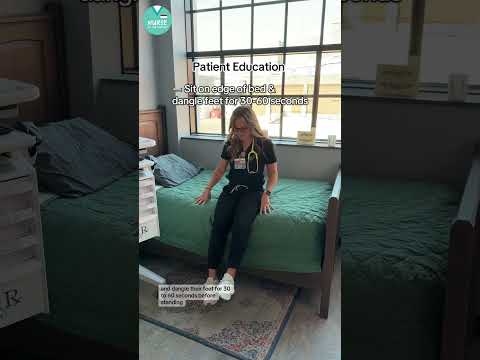
Hey there! Have you ever stood up too fast and felt like the floor suddenly decided to play hide-and-seek? Yeah, that woozy feeling can be a bit unsettling. You’re not alone, my friend.
That’s what we call orthostatic hypotension. It sounds fancy, right? But it basically means your blood pressure drops when you stand up. And let me tell you, it’s more common than you might think!
Sometimes, this drop makes you feel lightheaded or even dizzy. Not fun, huh? So, let’s break it down and spot those sneaky symptoms together. You deserve to know what’s going on with your body!
Identifying Red Flags of Orthostatic Hypotension: Key Symptoms to Watch For
Hey there! So, let’s chat about something called orthostatic hypotension. Sounds fancy, right? Well, it basically means you feel dizzy or lightheaded when you stand up too fast. It can be pretty annoying, and sometimes a little scary!
Now, when it comes to identifying if you or someone else might be dealing with this issue, there are a few red flags to keep an eye on. Here’s what to watch for:
- Dizziness: This is the big one! If you stand up and suddenly feel like the room is spinning or you’re about to topple over, that’s a clue.
- Lightheadedness: Similar to dizziness but often accompanied by that floaty feeling—like you’re not really sure what’s happening.
- Blurred vision: Sometimes your eyesight gets all wonky when you shift positions too quickly.
- Nausea: Feeling queasy? Yeah, that can happen too. Your stomach might start acting weird when your blood pressure drops.
- Tiredness: If getting up from the couch feels like running a marathon and leaves you worn out, it might be connected.
I remember my friend Sarah. One day we were at a concert, and she jumped up to dance after sitting for a while. She ended up clutching the railing—that was her way of holding on to reality. She felt so lightheaded! After that moment, she started paying attention to how she felt when standing up.
If you notice any of these symptoms happening frequently—especially after sitting or lying down for a bit—it might be worth chatting with someone who knows their stuff in healthcare. Seriously though, don’t just brush it off as nothing. You want to stay steady on your feet!
The thing is, everyone’s body reacts differently; some people have these sensations more often than others. And while it’s good info to know for yourself or someone close by, always keep in mind that this is not a replacement for professional care.
Understanding the Link Between Cancer and Orthostatic Hypotension: Key Types to Know
So, let’s chat about something called orthostatic hypotension. Sounds fancy, right? Basically, it’s when your blood pressure drops suddenly when you stand up. You might feel dizzy or even faint. And here’s the thing: there’s some interesting stuff going on with this condition and cancer.
You see, some people with cancer experience orthostatic hypotension due to various factors. This can be caused by the disease itself or even the treatments involved, like chemotherapy or radiation. It can really shake things up in your body. And that’s a tough pill to swallow if you’re already going through so much.
Let me tell you a little story. A friend of mine was going through treatment for breast cancer. She started feeling lightheaded every time she stood up quickly—like she was on a roller coaster! After checking in with her doctor (because that’s super important), she learned about the link between her treatment and orthostatic hypotension.
Now, let’s break down some key types of orthostatic hypotension that are useful to know:
- Acute Orthostatic Hypotension: This happens suddenly when you stand up too quickly.
- Chronic Orthostatic Hypotension: This is more persistent and can last for a longer time; it’s something worth keeping an eye on!
- Neurally Mediated Hypotension: Here, it involves an abnormal reflex response that causes your blood pressure to drop when standing.
The connection isn’t exactly simple; sometimes it shows up in patients with certain cancers more than others. Plus, medications can play a big role too! That’s why staying aware of how you feel when getting up is so crucial.
If you or someone you know is experiencing symptoms like dizziness after standing, make sure to chat with a healthcare professional—like I said earlier, they’re the best source for advice specific to any situation! Keeping track of these symptoms can help lead to better management.
The bottom line? Just being aware of how your body reacts can make all the difference. Stay steady out there!
Common Conditions Mistaken for Orthostatic Hypotension: Identifying the Differences
Hey there! Let’s chat about something that can really throw you off balance: orthostatic hypotension. It’s that dizzy feeling you might get when you stand up too quickly. But guess what? Sometimes, other conditions can feel similar and trick us into thinking it’s just orthostatic hypotension. So, let’s break it down a bit!
First off, when you experience orthostatic hypotension, it usually involves a quick drop in blood pressure as you change positions—from sitting to standing, for example. Sounds simple, right? But here are a few other conditions that can mimic those dizzy vibes:
- Dehydration: Not drinking enough water can make you feel lightheaded when moving around.
- Anemia: Low levels of red blood cells can lead to fatigue and dizziness, especially when you’re active.
- Panic attacks: These can cause sudden dizziness and a racing heart; they aren’t related to blood pressure drops.
- Vestibular disorders: Issues with the inner ear can cause balance problems and spinning sensations.
You know, I had a friend once who thought she was experiencing orthostatic hypotension every time she stood too fast. Turns out she was just super dehydrated! It was such a relief — for her and her dry mouth. So if you’re feeling woozy, don’t just jump to conclusions.
The thing is, if you’re experiencing frequent dizziness or similar symptoms, it’s always smart to talk it out with a healthcare professional. Seriously, their insights are super important! Understanding your body better helps clear up the confusion between these different conditions. So remember: while orthostatic hypotension is just one piece of the puzzle, there are others out there that might be calling for your attention too.
You got this! Stay steady and keep exploring how your body works without getting overwhelmed by the small stuff!
Understanding the Causes of Orthostatic Hypotension: Insights and Implications
Hey there! So, let’s chat about something called orthostatic hypotension. It sounds fancy, but it’s really just a way to say that your blood pressure drops when you stand up. You might feel dizzy or lightheaded, and trust me, it can be a bit unsettling. Picture this: You’ve been sitting on your couch binge-watching your favorite show for hours. You jump up to grab a snack and suddenly feel like you might pass out. Yep, that’s the moment when orthostatic hypotension can hit.
Now, why does this happen? Well now, there are a few reasons:
- Dehydration: If you’re not drinking enough water, your body gets low on fluids. This can lead to lower blood pressure.
- Medications: Some medicines—like those for blood pressure or depression—can make you more likely to experience these dizzy spells.
- Lack of movement: If you’ve been lying down or sitting for too long, your body might struggle to adjust when you stand up.
- Nervous system issues: Sometimes, problems with the nervous system can mess up how well your body controls blood pressure when you change positions.
You know what else? Age plays a role too! As we get older, our bodies may have a harder time regulating blood pressure changes. So if you’re noticing this happening more often as time goes by, well… it might just be part of getting older.
If you’ve ever felt weak or had trouble focusing right after standing up, it could be worth mentioning to someone who knows their stuff about health. Just remember – understanding what causes orthostatic hypotension is super important because it helps keep us safe and steady in our day-to-day lives!
The thing is—you really want to stay aware of these symptoms and how they tie back to your overall health. Every little detail counts!
Hey there! So, let’s chat a bit about something called orthostatic hypotension. Sounds fancy, right? It’s just a term that describes a drop in blood pressure when you suddenly stand up. I remember the first time my friend Emily experienced it. We were out grabbing coffee, and she jumped up to order, only to go pale and nearly faint. It was pretty scary for a moment there!
So, what happens with orthostatic hypotension is that your blood pressure drops when you change positions—like going from sitting to standing. This can make you feel dizzy or lightheaded. Sometimes it even makes some people feel tired or like they’re going to faint. It’s not fun, trust me.
Now, if you’re curious about what might signal that this is happening to you or someone else, here are a few common symptoms to look out for:
- Dizziness or feeling faint
- Lightheadedness after standing up
- Nausea
- A sudden feeling of weakness
- Blurred vision
It’s important to pay attention if any of these pop up frequently. Some people might experience this more than others. Stressing over it isn’t gonna help either; sometimes it can be tied to dehydration or other health issues.
Anyway, if you think this might be happening to you—first off, don’t panic—and then just talk with someone who knows their stuff about health. Always best to check in with a pro rather than self-diagnosing, right?
Remember Emily? Well, after her first bout of dizziness at that coffee shop, she made some changes—drinking more water and taking things slow when she gets up from the couch. Small steps can make a big difference! Just keep an eye out for how your body feels and give yourself credit for being aware of those signals.
Take care out there!
