

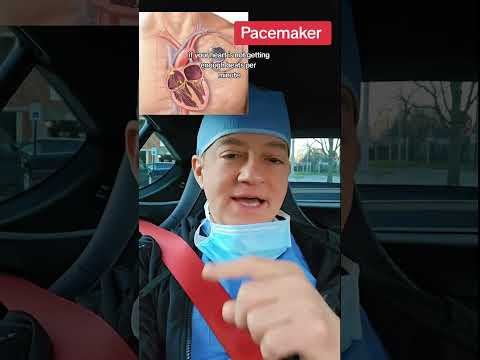
Hey there! Have you ever thought about what makes your heart tick? Seriously, it’s kind of wild.
Imagine having a tiny gadget inside you, keeping your heart in check. That’s what modern pacemakers do! They’re like little superheroes for your heart, swooping in when things get a bit wonky.
These tech wonders can really change lives. You know someone who’s had one? I met a guy named Dave once. He was full of energy, always cracking jokes, but then he shared how his pacemaker saved him from feeling exhausted all the time. Crazy, right?
So let’s dive into the tech behind these life-saving devices and see just how they work their magic!
Otis Boykin: The Inventor Behind the Modern Pacemaker
Have you ever heard of Otis Boykin? This incredible inventor changed the game when it comes to heart health. You might not realize it, but his work has had a huge impact on modern medicine, especially in how we keep hearts beating strong.
So, what’s the deal with pacemakers? Well, pacemakers are small devices that help regulate the heartbeat. They can be life-savers for people with certain heart conditions. Boykin was a key player in their development with his innovative ideas.
Boykin’s Contributions:
- He invented a special resistor used in pacemakers, which improved their reliability.
- This technology allows pacemakers to send electrical signals to the heart accurately.
- His work made these devices more affordable and accessible to many people.
You know, one time I read about a lady named Maria who had struggled with irregular heartbeats for years. After getting a modern pacemaker—thanks to innovations like Boykin’s—she finally felt alive again. It’s amazing how one person’s creativity can change lives!
Thanks to inventors like Otis Boykin, our hearts can get a little help from technology when they need it most. Always remember though, while this tech is fantastic, it’s not a replacement for regular check-ups or professional healthcare advice. So stay curious and keep your heart healthy!
The Evolution of Pacemakers: When They Became a Common Medical Device
So, let’s chat about pacemakers. You might think of them as these high-tech gadgets, but they’ve actually been around for a long time. The story of pacemakers is like a rollercoaster ride through medical innovation.
Originally, the concept of pacing hearts started way back in the 1920s. Can you believe that? It’s true! Back then, doctors were just trying to figure out how to keep hearts beating. The first real pacemaker was created in the late 1950s by a guy named Paul Zoll. He used external wires connected to a device that shocked the heart when it didn’t beat properly. Imagine being one of those early patients—pretty wild!
Then came the **first implantable pacemaker** in 1960. This was super exciting because it meant people didn’t have to carry around clunky equipment anymore. Just think about it: you could actually have a little device inside your body helping your heart without needing all that extra gear.
As technology improved, pacemakers got smaller and smarter. By the 1980s, they were becoming pretty common, helping millions manage their heart rhythms like champs. Today’s models are even wireless and can adjust automatically based on how your body is feeling—like having a little buddy right there in your chest!
Let’s break down some key points on how pacemakers evolved:
- 1920s: Early concepts and experiments with pacing.
- 1950s: Paul Zoll invents the first external pacemaker.
- 1960: First implantable pacemaker changes everything.
- 1980s: Pacemakers become widely used and popular.
- Today: Modern devices are smaller, smarter, and can even communicate wirelessly!
The thing is, modern pacemakers have become lifesavers for many people. They’re not just devices; they’re part of how we help hearts stay strong and keep folks living their best lives! So next time you hear about someone with a pacemaker, know there’s an amazing history behind it—all those years of development really make a difference!
Exploring the Innovations of John Hopps and the Development of the Pacemaker
John Hopps and the Pacemaker Revolution
Hey there! You ever thought about how some people can have a little device that keeps their heart ticking? Well, let’s talk about the brain behind that – John Hopps. His journey into the world of pacemakers is pretty fascinating.
Back in the 1950s, John was on a mission. He discovered how to create an electrical device that could help control heartbeats. Before this, many folks with heart issues had very few options, and some couldn’t find any hope at all. Can you imagine living like that? It’s kind of incredible what one person’s curiosity and determination can do!
How Pacemakers Work
So, what’s the deal with pacemakers? Essentially, they’re small devices implanted in your chest to help your heart beat regularly. Here’s how it goes down:
- Electrical Signals: The pacemaker sends out tiny electrical signals to prompt your heart to beat when it’s too slow.
- Monitoring: It constantly monitors your heart rate and adjusts it as needed. Think of it like a coach cheering on your heart!
- Types: There are different types of pacemakers: some are temporary, while others are permanent. Your doc decides what fits best!
John’s work laid the groundwork for these life-changing devices. When he invented one of the first external pacemakers, it was like giving a new lease on life to many people. Seriously! Imagine being able to live fully because of something so small.
A Lasting Impact
The impact of Hopps’ innovations didn’t stop with just one design. Modern pacemakers have come a long way since then! They are more compact, smarter, and equipped with wireless tech for easy monitoring by health pros.
You know what’s even cooler? Some current models can even adjust themselves based on physical activity or certain conditions! It’s like having a buddy that knows when you need more pep in your step.
While John Hopps might not get as much attention as other inventors out there, his legacy is literally beating strong in millions of hearts today. So next time you hear about someone with a pacemaker, remember there’s an amazing story behind it—a story driven by innovation and compassion!
Revolutionizing Heart Health: The History and Impact of the First Implantable Pacemaker
So, let’s chat about something super cool in heart health—the first **implantable pacemaker**. Seriously, this little device changed the game for so many people. Imagine just a few decades ago when folks with heart rhythm issues had very few options. This breakthrough opened up a whole new world for them!
Now, here’s the scoop. The first successful implantable pacemaker was actually fitted in 1958 by Dr. Rune Elmqvist and his buddy, engineer Åke Senning, in Sweden. Can you believe that? It was a bit of a wild ride back then because it wasn’t the sleek tech we have today; it was pretty much a giant box that went under the skin! But it was revolutionary.
What does a pacemaker do? Well, think of your heart as an orchestra. Sometimes it hits the wrong note or misses beats altogether—that’s where the pacemaker comes in! It sends electrical signals to help your heart beat properly again.
But how did this all happen? Here are some key points to remember:
- Before this invention, people with irregular heartbeats had limited solutions—most were pretty risky.
- The original design used batteries and wires connected directly to the heart—talk about old-school!
- This technology has evolved over time; now we have tiny devices that are more reliable and even wireless.
- Patients who receive these devices can live longer, healthier lives—it’s almost like getting a second chance at life.
Honestly, hearing stories from patients really tugs at my heartstrings. Like this one guy I know named Joe—he got his pacemaker over 15 years ago after struggling with frequent fainting spells. After he got implanted, he felt like he could finally be active again! He took up hiking and even goes on trips with his grandkids now.
As technology has advanced, modern pacemakers are equipped with sensors that can adapt to your body’s needs and monitor your heart’s rhythm automatically—that’s super impressive! And hey, these devices are super important for countless people around the world who rely on them.
So there you have it—a quick ride through history! The first implantable pacemaker set a path for today’s much more advanced devices that keep beating hearts alive and kicking. Just remember though: always talk to healthcare pros if you’re curious about heart health—they’re the real experts here!
You know, when I think about pacemakers, it’s kinda mind-blowing how far technology has come in helping people with heart issues. Imagine someone you love who’s always been active but suddenly has to slow down because their heart isn’t beating right. It can be really tough for both them and everyone who cares about them. I remember my friend’s dad, he was this super energetic guy, always hiking or participating in community events. Then he started feeling weak and would get out of breath just walking up the stairs. It was scary for everyone.
That’s when they found out he needed a pacemaker. At first, it sounded daunting to me—a little device keeping his heart in check? But honestly, the idea behind modern pacemakers is pretty amazing! These tiny gadgets are so sophisticated now; they’re like the tech version of a superhero sidekick for hearts!
So here’s the deal: a pacemaker helps manage your heartbeat by sending electrical signals to make sure your heart beats at a normal rate. If your heart decides to go rogue or forgets its rhythm, this little buddy steps in to save the day. Most people don’t realize that some pacemakers are even wireless these days! They can connect to smartphones or tablets; how cool is that? It’s like having your own personal health manager right there with you!
But it doesn’t stop there. With all the advancements in technology like remote monitoring, doctors can now check on patients from afar without them having to make frequent trips to the clinic. Seriously, I could only imagine how much easier that must make life—especially if you’re not feeling up for something as simple as going out for an appointment.
Of course, it’s important to remember that while these innovations are incredible, they don’t replace professional healthcare—like having regular check-ups and listening to what your body tells you. So if you have health concerns or think you might need something like this, definitely chat with a healthcare professional.
In the end, these devices really do have a way of reviving spirits along with hearts—giving people another chance at life and keeping families together. That’s what makes all this tech so worth celebrating!
