

Hey there! If you or someone you love has asthma, you know how tricky it can be to manage. Wheezing, coughing, and those moments when you just can’t breathe? Ugh, the worst!
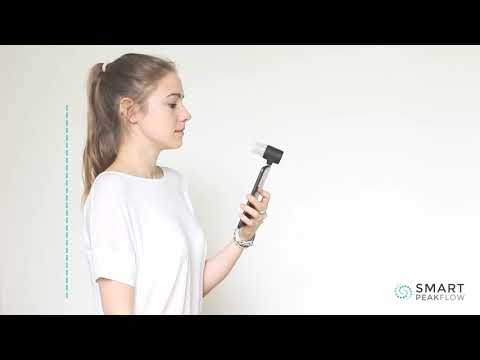
But what if I told you there’s a cool gadget that can help? Yep, smart peak flow meters are shaking things up in the asthma world. They’re like your trusty sidekick—helping you keep an eye on your lung function in a snap.
Imagine getting real-time updates about your breathing, right on your phone! Sounds pretty neat, huh? It’s all about making asthma care a little less stressful and a lot more user-friendly.
So let’s dive into how these little devices work and how they can bring some peace of mind to your respiratory journey. Ready? Let’s go!
Understanding Peak Flow Readings: What is Considered Normal for Asthmatics?
Asthma can be a tricky thing to manage, right? If you have asthma, you might have heard about **peak flow readings**. These are like a little window into how well your lungs are working. So let’s break it down.
Peak flow meters are handy devices that measure how fast air comes out of your lungs when you blow into them. This is super important because it helps track your asthma and can signal when things might be going south. **Normal peak flow readings** vary based on a bunch of factors, like age, gender, and height.
You know what’s interesting? A “normal” reading for adults usually falls between 400 to 700 liters per minute, but don’t freak out if you’re not in that range! Everyone’s different, and what’s normal for you might be a bit off for someone else.
Here are some key points to keep in mind:
- Green Zone: If your readings are 80% or more of your personal best, that’s great! This means your asthma is under control.
- Yellow Zone: Readings between 50-79%? That’s a signal to maybe take it easy or check in with your doctor.
- Red Zone: Below 50% is concerning. You need to act fast—call someone who knows about this!
I remember my friend Carla—she used to dread peak flow testing at her doctor’s office. It felt so clinical and daunting! But once she got her own meter at home, she felt empowered. She started tracking her readings daily and noticed patterns related to her allergies and weather changes.
So in essence, tracking those peak flow readings helps you stay ahead of the game when it comes to your asthma. Just keep in mind that these numbers don’t replace talking with a healthcare professional about how you’re feeling or what might be changing in your health journey.
Anyway, having those tools at hand can really elevate how you manage asthma—just like Carla!
Understanding the Role of Peak Flow Meters in Asthma Management
Hey there! Let’s chat about peak flow meters and how they fit into asthma management. You’ve probably heard of these little gadgets, but what do they actually do?
So, a **peak flow meter** is a simple device that helps you measure how well your lungs are working. It’s like checking the air pressure in your tires, you know? When the airways are clear, you blow out a strong stream of air. But if they’re constricted—like when you’re having an asthma flare-up—the reading might be lower.
Now, why does this matter? Well, using a peak flow meter can help you spot when things might get worse with your asthma. It’s super helpful for keeping track of your condition on a day-to-day basis. Just imagine knowing when to take it easy or when to grab your inhaler!
Here are some key points about peak flow meters:
- Easy to Use: You just take a deep breath and blow hard into it. Simple as that!
- Daily Monitoring: Checking your peak flow daily can help spot trends over time.
- Action Plans: Many people work with their doctors to create action plans based on their readings.
- Portable: They’re small enough to carry around—perfect for when you’re on the go!
I remember when my friend started using one after being diagnosed with asthma. At first, she was skeptical and thought it was just another gadget people pushed on her. But after a couple of months, she realized it really helped her understand her body better. One bad day? She could see why! And those good days felt even sweeter because she knew she was doing alright.
Using a peak flow meter doesn’t replace professional healthcare—you still need regular check-ups and guidance from your doctor! But it definitely gives you more control over your day-to-day life with asthma.
In short (or maybe long?), think of it as your personal lung coach. Take care of yourself out there!
Effective Strategies to Boost Peak Flow in Asthma Management
Asthma can be a tricky companion, right? One of the things that help manage it is keeping an eye on your peak flow. What’s that, you ask? Well, peak flow measures how fast you can blow air out of your lungs. It’s like checking your asthma’s vibe—seeing if it’s chill or needs some attention.
Using a peak flow meter can make a huge difference. These handy little tools are super simple to use. You take a deep breath and blow into it as hard as you can. The number it shows indicates how well your lungs are working. If the numbers drop, it could mean that something’s off.
Here’s the thing: you want to track your peak flow regularly. Habits are key! Consider these strategies:
- Set a schedule: Check your peak flow at the same time each day.
- Keep a diary: Jotting down your readings helps you spot trends.
- Use color coding: Some folks use green for good, yellow for caution, and red for trouble.
- Involve others: Get family or friends in on it; they can help remind you!
Let me tell you, once my friend Sarah started tracking her peak flow diligently, she noticed patterns related to her allergies and weather changes. It was like she had insight into her own body!
Sometimes folks also get nervous about using new gadgets, but think of them as just another tool in your toolkit. Your peak flow meter doesn’t replace regular check-ins with healthcare pros; it’s here to complement that support.
So keep an eye on those numbers; they’re more than just digits—they’re part of staying on top of your asthma game!
Optimize Your Lung Health: The Ultimate Guide to the Smart Peak Flow App
You know, taking care of your lung health is super important, especially if you have asthma or any other breathing issue. One cool tool that can help you stay on top of things is the **Smart Peak Flow app**. It goes hand in hand with smart peak flow meters, making it easier for you to track your lung function. Let’s break it down a bit.
First off, what exactly is a peak flow meter? Well, it’s a small device that measures how well air moves out of your lungs. You blow into it, and it tells you your **peak expiratory flow rate (PEFR)**—that’s just a fancy way of saying how fast you can exhale air. This measurement helps you figure out if your asthma is under control or if something needs attention.
Now let’s chat about the Smart Peak Flow app. This app connects with certain peak flow meters and lets you store all your readings in one place. So instead of scribbling them down on paper or trying to remember them (and we all know how good our memory can be), they are organized neatly right on your phone!
Using the app has its perks:
- It gives you **real-time feedback** on your lung function.
- You can set reminders for when to check your peak flow.
- It allows you to share data with your healthcare provider easily.
- The visual graphs help you see patterns over time, so you’ll know if something’s off.
Let me tell ya about a friend of mine who has asthma. She was always struggling to keep track of her symptoms and her peak flow readings. Once she started using the Smart Peak Flow app—wow! Everything changed! Now she feels way more in control and can spot when she might need her inhaler before things get serious.
Just remember, though: while this app and device are super helpful, they’re not a substitute for professional healthcare advice! Always reach out to your doctor if you’re worried about managing asthma or anything related to lung health.
So there ya go! Keeping an eye on your lung health doesn’t have to be complicated—with the Smart Peak Flow meter and its handy app, tracking becomes easy-peasy!
You know, asthma can be such a tricky thing to manage, right? I remember when my friend Jamie was first diagnosed. She was always active and loved hiking. Suddenly, she felt like her world got smaller because of this invisible hurdle. There’s always that fear—what if she couldn’t breathe? What if an attack struck when she wasn’t prepared? Ugh, just thinking about it makes me a bit anxious.
So, here’s the deal with asthma: one of the best ways to stay ahead of it is by keeping track of your lung function. That’s where smart peak flow meters come into play. They’re these nifty devices that help you measure how well you’re breathing. And guess what? They’ve evolved a lot!
These days, some models connect to apps on your phone. Pretty cool, huh? They give you real-time data on your lung function, which is super helpful for recognizing patterns or triggers. For Jamie, this would have been a game-changer! Imagine being able to see that drop in peak flow after spending time with those pesky pollen-filled flowers in the spring.
Plus, many of these smart meters allow you to log symptoms and medication use right in the app. So, instead of just relying on memory—which let’s be honest can be fuzzy—you’ve got everything at your fingertips! It’s like having a mini health coach reminding you when it’s time for your inhaler or giving you insights into how your environment might impact your breathing.
Of course… while all this tech sounds great and can really elevate how you manage asthma care, it’s important to remember it’s not a replacement for talking to your doctor regularly about your condition. So don’t throw away those appointments just yet!
Bringing in tools like smart peak flow meters can empower you or someone you care about—it makes tracking asthma less daunting and more manageable. I mean, Jamie would have loved knowing there was something out there to help her feel confident on those trails again! Making informed decisions is key; it just feels good not being left in the dark about what’s going on with our bodies.
Anyway, whether you’re navigating asthma yourself or supporting someone who is—these gadgets can add a layer of security and peace of mind that really matters. Who wouldn’t want that?
