

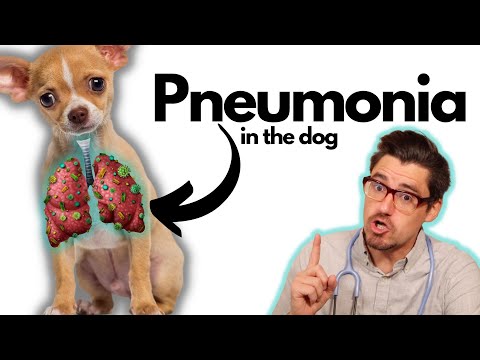
Hey there, dog lovers! You know how much we adore our furry pals, right? Well, nothing hits harder than seeing them struggle to breathe. That’s where this topic comes in: canine pneumonia. Yeah, it’s a real bummer.
But don’t freak out just yet! We’re diving into some smart solutions to help your pup breathe easy again.
Imagine your best buddy wagging their tail and bouncing around like usual. That’s the goal! We want to get you informed and empowered—with some practical tips and insights along the way.
So, grab a comfy seat, maybe a treat for your pooch too, and let’s chat about keeping those tails wagging and those lungs clear!
Effective Strategies to Improve Breathing in Dogs with Pneumonia
So, let’s talk about those furry friends of ours who might be dealing with pneumonia. It can be really tough to see your dog struggling to breathe. But there are some ways to help them feel a bit better. Of course, this doesn’t replace what a vet will tell you, but it’s good to know some options.
First off, keeping the air fresh and clean is super important. You know how we feel when we walk into a stuffy room? Dogs can feel the same way! Open windows when it’s safe, or consider using an air purifier. A little fresh air can make a big difference.
Next up, hydration is key. Make sure your pup has access to clean water at all times. Sometimes when they’re sick, they just don’t feel like drinking. Try flavoring their water with a little low-sodium broth or even ice cubes! This might encourage them to hydrate more.
- Use humidity: Adding moisture to the air helps keep your dog’s airways from getting too dry and irritated.
- Gentle movement: While not every pup will want to run around, gentle walks can help keep their lungs moving and clear.
- Calm environment: Stress isn’t good for anybody—especially not for a sick pooch! Keep things mellow at home.
I remember once my friend’s dog got pneumonia; he was so restless and uncomfortable. They set up a cozy spot by the window with soft blankets and kept things quiet around him. It really seemed to help him relax!
Lastly, always keep an eye on their symptoms—like if they’re coughing or having trouble breathing—and call your vet if you notice anything unusual. They’ll have the best advice on how to take care of your buddy. After all, we just want our pets happy and healthy!
Evaluating the Safety of Breathe Easy for Dogs: What Pet Owners Should Know
Alright, so let’s talk about “Breathe Easy” for our furry friends, particularly when it comes to canine pneumonia care. This can be really important for pet owners who want to make sure their pups are safe while dealing with this serious condition.
First things first, it’s crucial to understand that any product made for dogs, especially those dealing with health issues, should be carefully evaluated. The thing is, Breathe Easy is marketed as a solution for respiratory problems, but not all products are created equal!
- Ingredients Matter: Always check what’s included in the product. Some ingredients might not sit well with your dog’s system or could even cause allergic reactions.
- Consult a Vet: You know your pup best! If you’re considering using Breathe Easy or anything similar, chatting with your vet is a must. They can provide insights specific to your dog’s health.
- User Experiences: Sometimes hearing from other pet owners can help. Look for reviews or testimonials about Breathe Easy—everyone loves a good story!
- Doses and Instructions: Make sure you follow the instructions precisely! Too much of anything can lead to trouble.
A little while back, my friend Jan had a scare with her dog Max. He was coughing and wheezing like crazy! She stumbled upon Breathe Easy and was intrigued but cautious. Instead of jumping right in, she took it to her vet who helped her figure out the best approach for Max’s situation—thankfully he turned out fine!
The takeaway here is simple: while alternatives like Breathe Easy exist and seem promising, don’t forget that you should always prioritize what’s best for your pup by staying informed and seeking professional guidance. You know? It’s all about keeping our furry family members safe and happy!
Can a Nebulizer Effectively Treat Pneumonia in Dogs?
So, let’s chat about nebulizers and dogs with pneumonia. If your furry buddy has been diagnosed with pneumonia, you might be wondering if a nebulizer could be the magic wand to help them breathe a little easier. Well, here’s the scoop!
A nebulizer is kind of like a mini humidifier for your pup’s lungs. It takes liquid medicine and turns it into a mist that your dog can inhale. Pretty neat, right? This method can help open up their airways and deliver medication directly where it’s needed most.
Can it treat pneumonia? That’s a big question! The answer isn’t as simple as yes or no. Nebulizers can assist in easing breathing difficulties and delivering medications effectively, but they’re not a cure-all for pneumonia in dogs.
Here are a few important points about using nebulizers for dogs:
- Supportive Care: They are often used as part of supportive care.
- Medication Delivery: They can deliver bronchodilators or other meds that help ease breathing.
- Vet Supervision: Always check with your vet before using one on your dog.
- Not Standalone Treatment: A nebulizer is not enough on its own; you’ll still need other treatments that your vet recommends.
Now, picture this – my neighbor had a sweet golden retriever named Max who got pneumonia last winter. Max was always so active and playful! But after his diagnosis, he looked pretty rough. The vet suggested using a nebulizer alongside other treatments to help him breathe better.
After several sessions with the nebulizer, Max started to show improvement! He even wagged his tail for the first time in days. It was super heartwarming to see him slowly returning to his old self.
Anyway, while nebulizers can be supportive during pneumonia treatment in dogs, they don’t replace professional healthcare or full medical treatment plans from vets. Just keep that in mind! If you’re concerned about your dog’s health or think they might have pneumonia, chatting with a veterinarian is always the best move. Your pup will thank you later!
Comprehensive Reviews of Innovative Solutions for Canine Pneumonia Care
Canine pneumonia can be a serious condition for our furry friends, and it’s important to understand some innovative ways to help them breathe easier. Let’s dive into this topic, shall we?
Understanding Canine Pneumonia
First off, pneumonia in dogs happens when their lungs get inflamed or infected. This can be caused by bacteria, viruses, or even fungi. You might notice signs like coughing, difficulty breathing, or lethargy. If your pup is showing any of these symptoms, it’s crucial to talk to a vet right away.
Innovative Solutions for Care
Now, let’s chat about some smart solutions that have been making waves in canine pneumonia care.
- Air Purifiers: These can help reduce harmful particles in the air that might irritate your dog’s lungs.
- Smart Monitoring Devices: There are gadgets out there that track your pet’s breathing patterns and alert you if anything seems off.
- Aromatherapy: Some pet-friendly oils may promote relaxation and easier breathing. Just make sure they’re safe for dogs!
- Nutritional Support: High-quality diets rich in Omega-3 fatty acids could assist in lung health.
The Power of Hydration
Water is essential! Keeping your dog well-hydrated helps thin mucus in their lungs. Plus, it just feels nice to have fresh water around! You know how refreshing it is after a hike? It’s the same for them.
A Personal Story
I remember my friend’s dog, Max—he had a rough patch with pneumonia. We tried various things like those air purifiers and made sure he was always sipping water. It was amazing how little changes made a big difference in his recovery!
The Bottom Line
While these solutions can be helpful—please remember they’re not substitutes for professional care! Always consult your vet when it comes to your dog’s health. So keep an eye on those little furballs and give them all the support they need to breathe easy!
You know, I was hanging out with my friend the other day, and she was so worried about her dog, Max. He’s a big fluffy Golden Retriever, always full of energy. But recently, he started coughing and seemed super lethargic. You could see the concern in her eyes; it hit me how deeply we care for our furry pals. Turns out, he had pneumonia! And that got me thinking about how much we really need to know about canine respiratory health.
Canine pneumonia isn’t just some scary term; it’s when a dog’s lungs get inflamed due to infection or sometimes even irritants in their environment. Just like humans, dogs can catch things that mess with their breathing. It can be caused by bacteria, viruses, or even fungi. Poor Max had caught something nasty during one of their trips to the dog park.
Now, let’s be real—if you’ve ever seen your pup struggling to breathe or looking all listless like Max did, you know it breaks your heart. But here’s the thing: there are ways to help them breathe easier! First off, keeping their environment clean is a biggie. Dusty homes? Nope! That can just make things worse.
And while you might think getting your pup some fresh air is helpful (because who doesn’t love a good walk?), you gotta be careful about the weather and pollution levels outside. Sometimes it’s better to stay indoors and let them chill out on the couch for a bit—pretty much what we want when we’re feeling under the weather too!
Of course, thanks to some smart solutions available now—like specialized treatments and medications tailored for dogs—Max started bouncing back after his vet visit (big relief!). There are antibiotics for bacterial infections and sometimes cough suppressants can help ease their discomfort.
But keeping an eye on food is also crucial! A balanced diet gives them the nutrients needed to fight off infections faster. Hydration matters too! Honestly, making sure they drink enough water helps a ton.
So yeah, being aware of what could trigger respiratory issues in our furry friends makes us better pet parents. Watch out for signs like coughing or trouble breathing; they’re crying out for help in their own way!
And while I’m no vet guru or anything like that (seriously!), sharing this stuff feels important because our four-legged friends deserve all the love and care we can give them—especially when they’re not feeling well. Plus—I mean—seeing Max wag his tail again just made my day!
