

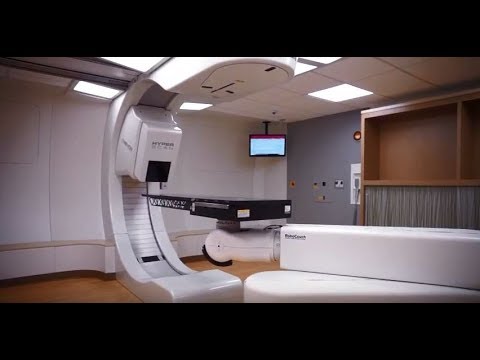
So, let’s chat about something that could change the game for cancer treatment: proton therapy. Yeah, you heard me right! It sounds like sci-fi but it’s real—and it’s here.
Imagine a world where cancer treatments are more targeted, with less harm to healthy tissue. That’s the beauty of proton therapy! It uses protons instead of traditional X-rays. And trust me, that makes all the difference.
You know how every story has its heroes and villains? Well, in this tale, protons are the heroes. They go straight for the bad guys while mostly leaving our good cells alone. Pretty amazing, huh?
Stick around as we dive into what proton therapy is all about and why it might just be the future of fighting cancer. You won’t want to miss this!
Exploring Proton Therapy: The Future of Cancer Treatment?
Proton therapy is like a superhero in the world of cancer treatment, and it’s getting some serious attention lately. You might be wondering what makes it so special, right? Well, the big deal about proton therapy is in how it works. Unlike traditional radiation that hits everything it touches, proton therapy zooms right in on tumors with precision. This means less damage to healthy tissue nearby.
When you think about cancer treatment options, you probably picture surgery or chemotherapy. But proton therapy is gaining ground for certain types of cancers. It’s particularly exciting when treating kids because their developing bodies are way more sensitive to radiation. Targeting just the tumor helps avoid some serious side effects that can mess with their growth and development.
But how does proton therapy really work? So, here’s the scoop: protons are positively charged particles that can be directed to deliver a punch of energy exactly where it counts. It’s like aiming a water gun at a specific spot rather than spraying water all over the place! This precision not only helps shrink tumors but also could lower the risk of radiation-related health issues down the line.
It’s also important to mention that while proton therapy sounds super promising, it’s not for everyone. It depends on various factors like tumor type and location. So having a good chat with your healthcare team is essential—that way, they can help you navigate your options based on your unique situation.
People have been sharing success stories too! For instance, one mom talked about her kid who had a brain tumor and benefited from this targeted approach. She noted how they felt more at ease knowing healthy brain tissues were spared from unnecessary exposure.
In closing—well, as much as I can without wrapping things up too tightly—proton therapy certainly shines in making cancer treatment more focused and potentially easier on the body. But remember—always consult with healthcare professionals to see what’s best for you or your loved ones! That’ll keep you informed while making sure you’re not missing anything important along the way!
Understanding Insurance Denials for Proton Therapy: Key Reasons and Solutions
When it comes to treating cancer, proton therapy is one of the latest advancements, offering a targeted approach to help reduce damage to surrounding healthy tissue. But here’s the kicker: many patients find themselves dealing with insurance denials for this treatment. It’s like getting that awesome dessert you’ve been craving only to find out it’s out of stock! Let’s dive into some common reasons why insurance companies might say “no” and what you can do about it.
- Documentation Issues: Sometimes, it’s all about the paperwork. Insurers often require specific documentation to prove that proton therapy is necessary. If there’s a lack of detailed records from your healthcare provider, that’s often a red flag for them.
- Pre-authorizations: Many insurance plans want pre-approval before they’ll cover proton therapy. This means your doctor needs to get the thumbs up from the insurance company before you start treatment. If that step gets skipped, guess what? You’re likely facing a denial.
- Provider Networks: It’s not just about what treatment you need but also who provides it. If your doctor or clinic isn’t in your insurance network, they might not pay for proton therapy even if it’s recommended.
- Coverage Limitations: Some plans might have limitations on the types of cancer that can be treated with proton therapy or only cover it in certain situations. Understanding your specific policy can be a game-changer here.
- Cost Considerations: Proton therapy can be pricey! Insurance companies may fall back on their cost analysis and decide that traditional treatments are more cost-effective—even if they aren’t as precise.
Now, if you’re up against an insurance denial, don’t lose hope! You’ve got options:
- Appeal the Decision: Most denials can be appealed. Gather all necessary documents, including medical records and letters from your medical team explaining why proton therapy is the best choice.
- Talk to Your Provider: Your healthcare provider can sometimes assist in navigating these tricky waters—especially when it comes to convincing the insurer about medical necessity.
- Explore Financial Assistance Programs: Some facilities offer financial help or programs dedicated to patients needing proton therapy but facing financial hurdles.
- Check Different Insurers: If possible, check out other insurance plans that might offer better coverage for advanced cancer treatments like proton therapy.
At the end of the day, navigating through insurance denials can feel overwhelming—but don’t forget you’re not alone in this journey! Always reach out for support from your doctors or patient advocacy groups; they can provide valuable resources and guidance when you need it most. And remember, regardless of how complex things seem right now, staying informed is one key step towards getting the care you deserve!
Understanding Proton Therapy: Cancers That Respond Best to Treatment
So, let’s chat about proton therapy. You might have heard of it being this super cool way to treat cancer. It’s actually a type of radiation therapy that uses protons instead of traditional X-rays. Sounds fancy, right? Well, it kinda is! But let’s break it down together.
Here’s the deal: protons are tiny particles with a positive charge. When they’re fired at cancer cells, they can be really precise. This means that they can hit tumors while sparing surrounding healthy tissue. So you get less damage to good cells, which is always a win!
Now, not all cancers are created equal when it comes to proton therapy. Some respond better than others. Here are a few types that tend to do well:
- Pediatric cancers: Kids’ bodies are still growing, and proton therapy can help reduce long-term side effects.
- Brain tumors: Protons can target tumors in delicate areas of the brain without affecting important tissues around them.
- Prostate cancer: Proton therapy has shown promise in treating this type because of its precision.
- Liver cancer: For some patients, protons can help shrink these tough tumors.
- Lung cancer: It can also be beneficial if the tumor is in a spot that’s hard to reach surgically.
A little story for you: I once had a friend whose little brother was diagnosed with a brain tumor. They went through various treatments, and when they found out about proton therapy, everyone was so hopeful! The precision meant less risk for healthy parts of his brain, which made such a difference in their journey. He’s doing great now!
It’s important to note that every case is different. Proton therapy isn’t the go-to for everyone facing cancer; sometimes traditional therapies like chemotherapy or surgery are more suited depending on the situation.
If you feel curious about this treatment option, or think it could be right for someone you know—always consult with healthcare professionals first! They will give the best advice on what suits individual needs.
So, let’s chat about proton therapy for a second. It’s this super cool kind of cancer treatment that seems to be making waves lately. Picture this: traditional radiation therapy is like a sledgehammer, smashing away at cancer cells, but it can also hit nearby healthy tissues pretty hard. Proton therapy, on the other hand, is more like a precision tool, targeting those nasty cancer cells with way less collateral damage. Pretty neat, right?
I remember my aunt going through chemo and radiation a few years back. It was such a tough time. She had her good days and bad days—some days she felt like herself again, and others she was just wiped out from the treatments. But what struck me was how every person reacted differently to those treatments; some handled it okay while for others it was brutal.
Now, proton therapy doesn’t work for everyone or every type of cancer. It’s usually used for specific cancers—like brain tumors or prostate cancer—where precision is key. And while it’s not mainstream everywhere yet, it’s exciting to think about how technology keeps evolving.
You know what really gets you? The idea that researchers are working on this all the time! They’re looking for ways to make treatments more effective while keeping side effects as low as possible. It’s kinda hopeful when you think about how far we’ve come in treating cancer over the years.
And let’s not forget the emotional rollercoaster that comes with these diagnoses and treatments. Families are affected too. The fear of going through something so tough can make anyone feel helpless at times.
So yeah, I’d say that harnessing proton therapy could be a big step forward in making cancer treatment less of a battlefield and more of an intelligent strategy against this disease. It’s wild to imagine what the future holds! Of course, all this talk should really just inspire us to keep pushing for better options while supporting one another through these challenges because at the end of the day, everyone’s journey is unique—and that’s something we should always remember!
