

Hey there! Let’s chat about something that doesn’t get enough love: kidney health. Yeah, those little beans in your body work so hard for you, but we hardly ever think about them.
So, here’s the scoop. If you or someone you know has kidney issues, you might have heard of pyeloplasty. Sounds fancy, right? Well, it’s basically a surgery that can help fix blockages in the kidneys. And guess what? There are some super cool advanced techniques making this whole process easier and more effective!
Imagine a world where people recover faster and feel better overall after these surgeries. Pretty amazing, huh? So, let’s dive into how these new methods are changing the game for kidney health. You won’t want to miss this!
Improving Kidney Function After Pyeloplasty: What Patients Need to Know
Hey there! So, let’s chat a bit about kidney function and what happens after something called **pyeloplasty**. It sounds fancy, huh? But it’s really just a surgery to fix problems in the area where the kidney connects to the ureter, which is basically the tube that carries urine from your kidney to your bladder. After this surgery, you might be curious about how you can help your kidneys work better.
First off, remember that every person’s body is different. What works for one person might not work for another, and this isn’t a replacement for talking to your doctor about your specific situation.
Some things you might want to think about include:
- Staying Hydrated: Drinking enough water is super important. It helps flush out toxins and keeps everything running smoothly.
- Eating Well: A balanced diet can do wonders! Think plenty of fruits, veggies, whole grains, and lean proteins. Foods rich in antioxidants can be especially good.
- Avoiding Salt: Too much salt can put stress on your kidneys. Try seasoning with herbs or spices instead!
- Regular Check-ups: Seriously, don’t skip those appointments! Keeping an eye on your kidney function with a healthcare pro is essential.
- Gentle Exercise: Moving around helps with overall health. Just don’t overdo it—listen to your body! A nice walk or some light stretching can be perfect.
After my friend had her pyeloplasty last year, she felt pretty anxious about how her kidneys would behave moving forward. I remember she started drinking more water and switched up her meals. She even said cooking became a fun little adventure! It was amazing seeing her take charge like that.
Anyway,
keeping an eye on any changes in how you feel or any symptoms you might notice is key too. If something seems off or worrisome, reaching out to a healthcare professional is always smart.
So just know that while pyeloplasty can help fix things up quite nicely in there, giving your kidneys some extra love through lifestyle choices can make all the difference too. You got this!
Understanding the Survival Rate of Pyeloplasty: Key Insights and Statistics
So, let’s talk about pyeloplasty. This fancy word refers to a surgery that fixes problems in the area where your kidney connects to the ureter, which is the tube that carries urine out of your body. Sometimes, this area gets blocked or narrowed, leading to all sorts of issues. Pyeloplasty helps by reconstructing or removing obstructions. But what about the survival rates? Let’s break it down!
The survival rate for pyeloplasty is pretty encouraging. Studies show that most patients experience success after this procedure. It’s like a breath of fresh air for those struggling with kidney issues. A lot of people see improvement in their symptoms and overall kidney function.
Here are some key insights:
- High success rates: Most studies report success rates ranging from 85% to 95%. That’s pretty stellar!
- Recovery time: Recovery varies, but many folks head back to their normal activities within a few weeks.
- Less invasive techniques: With advancements like laparoscopic methods, recovery can be even quicker and easier on your body.
You know, I heard this story about my friend Sam. After struggling with pain from kidney stones and all the chaos that comes with it, he finally went through pyeloplasty. He was nervous at first but ended up feeling so much better afterward! Hearing his relief made me realize just how effective these techniques can be.
The thing is, while the numbers look good, individual results can vary based on lots of factors—age, overall health, and specific conditions complicate things. So it’s super important to chat with a healthcare provider who knows you well if you’re considering this option.
Feel free to share any questions or thoughts you have! Just remember that understanding your health journey is vital—but always lean on professionals for advice tailored just for you.
Understanding the Success Rate of Redo Pyeloplasty: Key Insights and Statistics
So, let’s talk about redo pyeloplasty, alright? It sounds complicated, but stick with me. This surgical procedure is basically like giving your kidney another chance if its first surgery didn’t go as planned. Sometimes things just don’t heal right, and that’s when a redo comes into play.
First off, what’s the success rate? Well, studies show that redo pyeloplasties generally have a **success rate between 80% and 95%**. That’s pretty hopeful! It means that most people see improvement and can go about their lives feeling much better after the procedure.
Here are some key insights to keep in mind:
- Previous Surgery Matters: If the initial pyeloplasty had complications, it might affect how well the redo goes.
- Surgeon Experience: A skilled surgeon tends to make a big difference. They know how to handle tricky situations!
- Health Factors: Your overall health plays a role too. If you’ve got other kidney issues or health conditions, it can influence recovery.
Here’s a quick story for you: I once knew someone who had two surgeries on their kidney and was pretty nervous about the second one. But they went ahead with it and were amazed at how much better they felt afterward! They said it was like finally taking off a heavy backpack they didn’t even realize they were carrying.
Now, it’s important to remember that **each case is unique**. Just because one person did great doesn’t mean everyone will have the same experience. That’s why keeping in touch with your healthcare team is crucial. They can guide you based on your specific situation.
So there you have it! Redo pyeloplasty might sound intimidating, but many people find success with it. Just keep those key points in mind—it’s all about getting the right care from experienced hands!
Enhancing Kidney Function Post-Pyeloplasty: Insights and Recovery Strategies
So, let’s talk about kidney health after a pyeloplasty. First up, what’s pyeloplasty? Well, it’s a fancy term for surgery that fixes issues with the kidney’s drainage system. The goal is to make sure your kidneys can do their job better. Pretty cool, right?
After this surgery, some folks might wonder how to boost their kidney function. Here are a few insights and recovery strategies:
- Stay Hydrated: Water is your best friend! Drinking enough keeps things flowing smoothly through those kidneys.
- Balanced Diet: Eating healthy, with lots of fruits and veggies, helps your body heal. Think colorful plates!
- Avoid Sodium: Too much salt can stress your kidneys. So maybe skip that extra sprinkle on your fries?
- Regular Check-ups: Staying in touch with your doctor is super important. They’ll keep an eye on how things are going.
- Light Exercise: Once you get the green light from your doctor, gentle movement like walking can help you feel better overall.
You know, my friend had a pyeloplasty once—scary stuff! But after the surgery, they followed most of these tips and felt back to their normal self in no time. It was amazing to see them recover so well!
The thing is, every person’s journey is unique. What works for one may not work for another. Just remember that these tips are meant to support you but don’t replace professional healthcare advice!
So there you go! Keep those kidneys in mind as you navigate recovery post-pyeloplasty—it all counts towards feeling great again!
So, let me tell you about this fascinating topic I’ve been thinking about lately—kidney health and some pretty incredible surgical techniques that are shaking things up. You know how our kidneys are like those unsung heroes in our bodies? They filter out waste, balance fluids, and keep everything running smoothly. But sometimes, they can encounter issues, like stenosis or obstructions. That’s where the magic of pyeloplasty comes in!
The thing is, surgical procedures have come a long way. I remember my uncle, who had kidney problems when I was a kid. He spent so much time in and out of hospitals; it was tough to watch. Now, fast forward to today! Advanced pyeloplasty techniques are changing the game for people dealing with kidney issues.
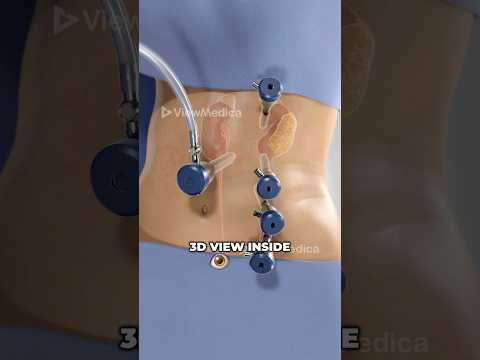
Okay, so here’s the scoop: traditional pyeloplasty has been around for a while but can be pretty invasive. Patients would deal with large scars and longer recovery times. But now? We’ve got minimally invasive options! These newer techniques use small incisions and advanced imaging technology—think cameras that help surgeons see what they’re doing inside the body without opening it up like a book.
And you know what that means? Less pain and quicker recovery times! Seriously, people can get back to their normal lives much faster now than they could before. It’s kinda amazing when you think about it.
And let’s not forget about robotic-assisted surgeries—technological wonders! These robots help doctors perform procedures with pinpoint precision. I mean, how cool is that? It’s like having an extra pair of steady hands in the operating room.
So, while I don’t want to throw around words like “revolutionizing,” it does feel pretty powerful that patients now have options that are less daunting and have better outcomes than before. Of course, if someone has kidney concerns or symptoms, it’s super important to talk with a healthcare professional—they’re the real experts here.
At the end of the day though? It gives me hope knowing that medical advancements can make such a difference in people’s lives. Just imagining patients recovering faster and feeling better feels inspiring! Seriously!
