

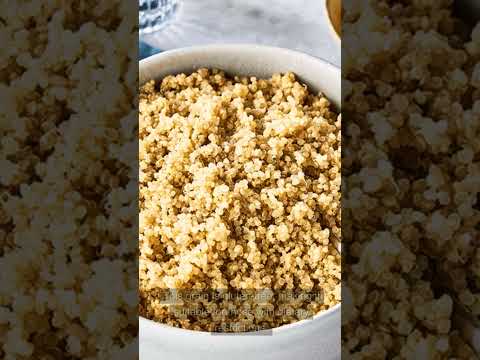
Quinoa seeds? Yeah, they’re kind of a big deal right now. You know how we’re all trying to eat healthier and save the planet at the same time? Well, quinoa is like the superhero of grains.
Seriously, it’s not just any old grain. This little seed packs a punch with protein, fiber, and all those fancy nutrients we keep hearing about. Plus, it’s super versatile! You can toss it in salads, make it into a tasty side dish, or even whip up some delicious quinoa bowls.
But wait—there’s more! Quinoa is also pretty eco-friendly compared to other crops. That’s huge these days when everyone’s talking about sustainable living. So whether you’re on a health kick or just curious about the next big thing in nutrition, quinoa might just be your new best friend!
Ready to dive into why these tiny seeds are making waves? Let’s go!
Quinoa vs. Chia Seeds: Which Superfood is Right for Your Diet?
Quinoa and chia seeds are two popular superfoods that have been making their way into our plates lately. Both are packed with nutrients, but they bring different benefits to the table. So, let’s break it down and see which one might be the best fit for your diet.
Quinoa: It’s a grain, although it’s often considered a seed. It’s actually a complete protein, which means it has all nine essential amino acids your body needs. That makes quinoa super cool for vegetarians and vegans looking to boost their protein intake.
- Fiber-rich: Quinoa is high in fiber, which can help keep you full longer. Seriously, if you’re trying to avoid that mid-afternoon snack attack, this could help.
- Nutrients galore: It’s loaded with vitamins and minerals like magnesium, iron, and B vitamins.
- Easily digestible: Most people find quinoa easy on the stomach, which is great if you’re prone to digestive issues.
Now onto chia seeds: These tiny powerhouses might look small but they pack a punch! Chia seeds are known for being high in omega-3 fatty acids – you know, the good fats that can be hard to come by if you’re not eating fish.
- Hydration hero: You soak them in water or other liquids, and they expand! This gel-like texture can help keep you hydrated while also giving you that feeling of fullness.
- Amazing fiber content: Chia seeds have even more fiber than quinoa per serving! This can be great for digestion and helps regulate blood sugar levels.
- A little goes a long way: Just a couple of tablespoons can give you a solid nutrient boost without needing a big meal.
So which one should you choose? Well now, it really depends on your dietary needs. If you’re looking for something filling that can serve as a base for meals (like salads or bowls), quinoa might be your go-to. But if you’re aiming for something easy to sprinkle on yogurt or smoothies without cooking—chia seeds have got your back!
Here’s where it gets personal: I remember trying my first chia pudding at a friend’s brunch once. I was like “What are these weird little seeds?” But after tasting it—I was hooked! They’re pretty versatile and fun to use in recipes.
In the end, both quinoa and chia seeds offer unique benefits. You could even mix them together sometimes! Just make sure to listen to your body and see what feels best for you. And remember—this is just info; always consider chatting with a healthcare professional about what works best in your diet.
Quinoa Seeds: A Comprehensive Review of Their Potential as Sustainable Nutrition Solutions
Quinoa seeds have been getting a lot of buzz lately, and for good reason! They’re not just trendy; they could be a big part of sustainable nutrition. So, let’s dig into what makes quinoa so special.
First off, quinoa is often called a “superfood.” It’s packed with nutrients like protein, fiber, vitamins, and minerals. Seriously, it’s like a little powerhouse! This tiny seed is actually a complete protein, which means it has all the essential amino acids your body needs. That’s pretty rare for plant foods!
Now, let’s talk sustainability. Quinoa grows in harsh conditions—think high altitudes and poor soils—and that makes it pretty resilient. Farmers in countries like Bolivia and Peru have been cultivating it for centuries. Since it thrives in places where other crops struggle, quinoa could help feed people in food-scarce areas.
Here are some key points about quinoa:
- Nutritious: Full of protein and fiber.
- Diverse: You can use it in salads, bowls or even bake with it!
- Sustainable: Thrives in tough conditions.
I remember the first time I tried quinoa; I was at a friend’s house and she made this lovely quinoa salad. I was skeptical at first. Do you know that feeling? But one bite had me hooked! The texture is great – kind of nutty but soft at the same time.
In terms of cooking, it’s pretty simple to prepare too! Just rinse it well before cooking to get rid of the bitter coating called saponin. Then boil it like rice for about 15 minutes. Easy peasy!
Of course, while quinoa is amazing, it’s always good to pair your meals with variety—don’t forget about fruits and veggies! And remember that everyone’s body is different; if you have specific dietary needs or questions about nutrition, make sure to chat with a healthcare professional.
So yeah! Quinoa seems poised to play an important role in our diets moving forward—both health-wise and eco-wise! The future looks bright for this little seed.
Quinoa Seeds: Pioneering Sustainable Nutrition Solutions – Download Your PDF Guide
Quinoa, oh quinoa! It’s more than just a trendy food you see on Instagram these days. This little seed is packed with surprises and is actually considered a superfood for a good reason. You know, it’s been around for thousands of years and comes from the Andean region of South America. So let’s dive into why quinoa can be a game-changer in sustainable nutrition!
First off, quinoa is super nutritious. It’s not just empty calories; it’s loaded with **protein**, **fiber**, and essential **minerals** like magnesium, iron, and zinc. Seriously, compared to rice or corn, quinoa stands out like the star player of the team.
Now, here’s something cool about quinoa: it’s grown in extreme conditions. Whether it’s high altitudes or varied climates, this plant can handle it all! This resilience means farmers can cultivate quinoa in places where other crops might struggle. Talk about sustainable agriculture!
Another thing that makes quinoa so special is its low environmental impact. Growing it requires less water than rice and can thrive without tons of pesticides or fertilizers. Less water usage? That’s a win for our planet! And we always wanna cheer for that.
Let’s not forget about versatile cooking options. You can eat it as a grain (like in salads or bowls) or even use it as flour for baking. This adaptability makes quinoa a fantastic substitute for those looking to mix things up in their meals.
And speaking of meals, did you ever have that moment when you tried something new and instantly fell in love? For me, trying my first quinoa salad was like falling into a new adventure—all those textures and flavors mingling together made my taste buds do a little dance!
So what do you think? Quinoa isn’t just great for your health; it’s also an awesome choice for the environment. While this little seed may not replace professional healthcare advice—or any medical guidance—it sure does pave the way toward more sustainable nutrition solutions.
If you’re curious to know more about integrating quinoa into your diet (and maybe impressing some friends at dinner), there are resources available online! You could grab a PDF guide filled with recipes and tips to help you on your culinary journey with this powerhouse grain!
So next time you’re at the store or scrolling through recipes online, give quinoa some thought—your body and Mother Earth will thank you!
Chenopodium Quinoa: Exploring Its Common Name and Significance
Did you know that quinoa is actually a seed? Yep, that’s right! It’s from a plant called Chenopodium quinoa, which may sound fancy but is honestly pretty cool. You might’ve heard it called a grain, and that’s understandable because it acts like one in cooking. You can find it in salads, bowls, and even as a breakfast option. Super versatile!
So, what’s the deal with quinoa? Well, it’s packed with nutrients. People love it because it’s high in protein and contains all nine essential amino acids. Seriously! This makes it a fantastic choice for those who are vegetarian or just looking to mix up their meals. Oh, and there’s no gluten in quinoa either, which is great for folks with gluten sensitivities.
Now, let’s talk about its significance. Quinoa’s popularity has soared over recent years as people search for sustainable nutrition solutions. The thing is, it’s not just good for you; it’s also good for the planet. It grows beautifully in harsh conditions where other crops struggle to survive, making it a real superhero in food sustainability.
Also worth mentioning is its history. Quinoa has been cultivated for thousands of years by the Andean people of South America who consider it sacred. Imagine munching on something that was enjoyed by ancient civilizations!
To sum up:
- Common Name: Quinoa is from Chenopodium quinoa.
- Nutritional Benefits: High in protein and amino acids.
- Sustainability: Grows well in challenging environments.
- Cultural Significance: A sacred food for Andean civilizations.
So next time you dig into your quinoa bowl or salad, remember you’re enjoying something that’s not just tasty but also rich in history and wrapped up in the promise of sustainable eating! How rad is that? Just keep enjoying your meals and give yourself a high-five for making healthy choices—because you deserve it!
Quinoa seeds, huh? They’ve really been making waves lately. I remember the first time I tried quinoa; it was at a friend’s dinner party. Everyone was raving about this “superfood.” There I was, thinking it looked like tiny little beads of hope on my plate! Honestly, I was skeptical. How could these tiny seeds be as great as everyone said? But one bite made me a believer.
So what’s all the buzz about? Well, quinoa is packed with protein—like, way more than your average grain. It’s got all nine essential amino acids. That’s pretty unusual for plant-based stuff! You could sprinkle it on salads or toss it in a stir-fry and boom – instant nutritional upgrade.
But let’s talk sustainability for a second. The thing is, quinoa is grown in some harsh conditions in the Andes mountains of South America. Those farmers are tough cookies! They cultivate this grain without needing a ton of water or chemical fertilizers that can hurt the environment. Sustainable farming practices like this are becoming super important as our planet faces climate challenges.
Imagine if more countries started cultivating quinoa instead of less sustainable crops? It could be game-changing! It supports local economies while also bringing healthier options to tables around the world.
Still, there are challenges. As quinoa gains popularity globally, prices can shoot up, making it less accessible to those who need it most—like communities where it’s been grown for generations. There’s this balancing act between enjoying quinoa ourselves and ensuring that people who’ve relied on it for centuries can still afford it.
So yeah, quinoa seeds might just hold some keys to a more sustainable future in nutrition. But we gotta keep an eye on the bigger picture and tread thoughtfully as we dive into these new food trends. It’s like… enjoying your little taste of heaven while making sure others get their slice too! That balance is crucial if we’re going to move forward together on this journey towards healthier and more sustainable eating habits, right?
