

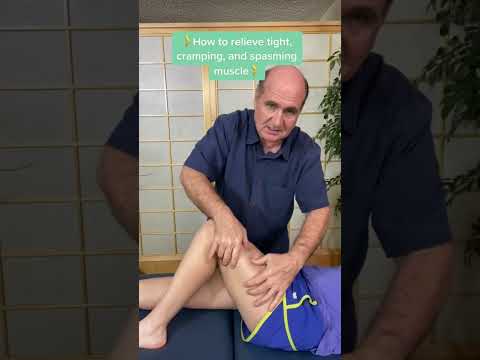
Hey there! Ever been in the middle of something really important, like a meeting or a cozy movie night, and suddenly, bam! Your leg decides to spasm like it’s auditioning for a dance-off? Ugh, I know the feeling!
Muscle spasms can be such annoying little surprises. They hit when you least expect them! Sometimes they’re just a twitch; other times, they’re downright painful. Seriously, what gives?
In this chatty piece, we’ll dive into the wild world of unpredictable muscle spasms. We’ll figure out what they are, why they pop up unexpectedly, and how to manage them in our busy lives. Sound good? Let’s get into it!
Effective Alternative Treatments for Muscle Spasms: A Comprehensive Guide
Muscle spasms can really throw a wrench into your day, right? You know, that sudden jerk or tightness that makes you feel like you’ve just run a marathon while sitting on the couch. They can happen anywhere: your legs, back, or even those pesky fingers! So, what are some effective alternative treatments you might want to consider as you navigate this unpredictable world of muscle spasms?
First up, there’s stretching. Sounds simple, but stretch it out! Gentle stretches can help ease muscle tension. Try some light yoga or just reaching for your toes while standing. It’s like saying “Hey, muscles! Chill out!”
Hydration is also crucial. Drinking enough water might help keep your muscles happy and reduce cramps. Seriously, how many times have you forgotten to drink water during the day? Make it a habit!
Magnesium-rich foods, such as bananas and spinach, might just be the superheroes of your diet. Magnesium plays a key role in muscle function. So munching on these foods could be helpful.
If you’re into the natural vibe, consider essential oils. Oils like lavender or peppermint can create a soothing atmosphere in your home. Just a few drops in a diffuser or mixed with carrier oil for massage can feel really nice.
And then there’s heat therapy. A warm towel or heating pad on the affected area can do wonders. Who doesn’t love a cozy blanket after a long day? It totally brings comfort!
You might also want to look into aqua therapy. Swimming or soaking in warm water can relieve muscle tension like nothing else. You know that feeling when you’re weightless in the water? Pure bliss!
The key here is figuring out what works best for you. While these alternative treatments could be beneficial, remember they’re not replacements for professional healthcare advice if things get too dicey.
So there you have it—some ideas to help with those annoying muscle spasms without needing to break the bank or stress about complicated solutions! Just take it easy and listen to your body.
Effective Strategies to Instantly Relieve Leg Cramps
Leg cramps can feel like a rude awakening, right? You’re just chilling, and suddenly—BAM! Your calf tightens up like a rubber band. Totally not fun. They can hit at the worst moments, too, like when you’re trying to get some sleep or after an intense workout. Let’s talk about some strategies that might help ease those unpredictable muscle spasms.
First up, let’s chat about hydration. Seriously, staying hydrated is key. When you don’t drink enough water, your muscles can go all wonky. Aim to sip on water throughout the day, especially if you’re sweating a lot. It’s super simple yet often overlooked.
- Stretch it out: If you feel a cramp coming on, gently stretch your leg by straightening it and pointing your toes toward you. This action helps to relax the muscle.
- Massage: A little rub goes a long way! Gently massage the cramped area with your hands to ease the tension.
- Heat therapy: Applying warmth can be soothing—think a warm towel or heating pad. Just make sure it’s comfy and not too hot!
- Cold compress: Sometimes ice packs do wonders for swelling or pain after the cramp’s passed. Wrap that cold goodness in a cloth first though!
- Nutrient balance: Low levels of certain nutrients like potassium or magnesium can contribute to cramps. So munch on some bananas or spinach—your muscles will thank you!
I remember this one night when I woke up with an awful cramp in my calf. It felt like someone was squeezing my leg in a vice grip! I stretched it out and hopped around a bit until it finally calmed down. That was quite the wake-up call! It showed me how crucial it is to pay attention to what our bodies need.
If leg cramps keep crashing your party, jot these strategies down! But always remember: if you find yourself dealing with cramps often or they’re super painful, give a healthcare professional a shout for advice tailored just for you.
Understanding Neurological Disorders Linked to Muscle Cramps: Causes and Implications
Muscle cramps can be a real pain, right? You’re just chilling on the couch, and suddenly—bam!—your calf decides to turn into a tight ball of discomfort. So, what’s going on with our muscles? Sometimes these cramps are linked to neurological disorders, which may surprise you.
Now, here’s the thing: our muscles and nerves work together like a team. Your brain sends signals through your nerves to tell your muscles when to contract and relax. When there’s a hiccup in this communication, it can lead to those unpredictable spasms. So, what are some common neurological disorders that might be involved?
- Multiple Sclerosis (MS): This condition messes with the nerve fibers in your brain and spinal cord. Muscle spasms are often reported by folks living with MS.
- Cerebral Palsy: A developmental disorder affecting movement and coordination can cause muscle stiffness or involuntary contractions.
- Neuropathy: Damage to your peripheral nerves can lead to cramping as well. It often happens with diabetes or other health issues.
You might have heard of someone who experiences stiffness while walking or doing daily activities because of their condition—or maybe you even know someone like that! It’s tough; they may deal with cramps even when they’re just sitting still.
So why do these cramps happen? Well, it could be due to a few reasons: nerve signals acting up because of damage or inflammation could trigger involuntary contractions in your muscles. It’s like having a bad phone connection; some messages just don’t get through right.
If you’re experiencing muscle cramps regularly, it’s a good idea to chat with a healthcare professional. I mean, no one wants to navigate this alone! They can help you understand if there’s more going on under the surface.
In the end, knowing how neurological disorders relate to muscle cramps helps us understand our bodies better. Just remember: these cramps don’t define you; they’re just one part of the puzzle!
Quick Relief: Effective Strategies to Stop Muscle Cramps Fast
Muscle cramps can strike out of nowhere, right? You’re just chilling on the couch or out for a jog, and then bam! That tight, painful knot in your leg shows up. Let’s chat about some quick ways to tackle those pesky cramps when they hit.
First off, one of the most effective go-tos is stretching. If you feel a cramp coming on, gently stretch the muscle. For a calf cramp, try standing up and leaning against a wall while keeping your heel on the ground. It helps release that tightness. You can also sit down and pull your toes towards you—simple but effective!
Next up is hydration. Sometimes cramps are your body’s way of saying “Hey, I need some water!” So keep that water bottle nearby. Dehydration can mess with your muscle function a lot.
And don’t forget about electrolytes! Those little minerals like sodium, potassium, and magnesium play key roles in how well your muscles work. You can find them in foods like bananas or sports drinks. Seriously, grabbing a banana might just save you from another spasm!
Okay, here’s another thing to try: heat therapy. Applying heat with a warm towel or heating pad can really help ease tension in tight muscles. It’s like giving your body a little hug when it needs it most.
Oh! And don’t underestimate the power of massaging the crampy area. Just rub it gently with your fingers—sometimes that little bit of TLC is all you need to get things back to normal.
Lastly, don’t forget to stay active! Regular exercise can help keep those muscles flexible and less likely to spasm later on. Just remember to warm up before diving into any intense workouts.
So there you have it! Muscle cramps might be annoying, but knowing these strategies could save you some discomfort next time they strike. Just keep in mind that if cramps become frequent or really painful, reaching out to a professional would be smart. Take care of yourself out there!
Muscle spasms can feel like those unexpected surprises you just don’t want in your life. Picture this: you’re chilling at home, maybe binge-watching your favorite show, and out of nowhere—bam! Your calf tightens up like a drum. It’s like your muscles decided to throw a little dance party without inviting you. Sound familiar?
You might be wondering, what the heck is going on? Well, muscles can spasm for lots of reasons—dehydration, overuse, stress, or an electrolyte imbalance. Sometimes it just happens during a nap or when you’re sleeping after an intense workout. It’s annoying! And definitely not something you planned for in your day.
I remember the first time I experienced a spasm; I was at a friend’s wedding, dancing my heart out. The DJ dropped my jam (you know the one that gets everyone moving), and just as I was attempting my best dance moves, my thigh cramped up! Talk about embarrassing! I mean, there I was—trying to keep it cool while secretly trying to massage my leg into submission.
So how do we deal with these surprise guests in our lives? Staying hydrated is key; drink water like you’re training for the Olympics! And getting enough potassium and magnesium through food can also help keep those muscles happy. Bananas and leafy greens are your friends here.
Staying active but not overdoing it is super important too. Stretching regularly helps – just think of it as giving your muscles a little hug every day. Also, taking breaks if you’re sitting for too long can really save you from those uninvited cramps.
But hey, if things feel off or these spasms turn into more than just occasional annoyances, having that chat with a healthcare professional is always smart. It’s nothing to be shy about! At the end of the day, muscle spasms are just part of living in our crazy modern world where we juggle everything from work to social life.
So next time something tightens up unexpectedly on you—just shake it off and remember: you’ve got this! After all, life’s about rolling with the punches… or in this case, rolling with the spasms!
