

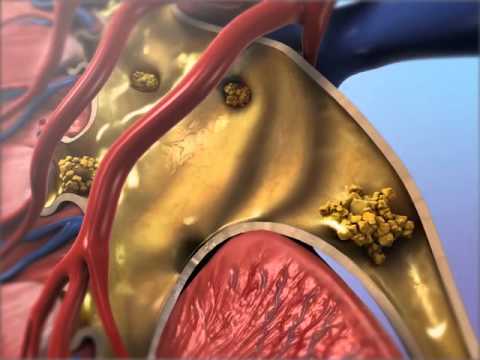
You ever had that moment when you think you’re going to die from a sudden stomach pain? Yeah, that could be a kidney stone. Seriously! Those little guys are no joke.
Kidney stones might sound like something out of a medical drama, but they’re super common and a real pain—literally. They’re tiny crystals that form in your kidneys and can cause some serious discomfort if they decide to take a trip down your urinary tract.
So, what’s the deal? How do they happen, and why do some folks get them while others don’t? It’s all about understanding the causes and maybe even preventing them. Stick around as we dive into the world of kidney stones, breaking them down in a way that actually makes sense!
4 Effective Methods for Kidney Stone Removal: Options and Insights
Well, let’s talk about kidney stones. You know, those tiny little rocks that feel like they’re wrecking your whole day? Yeah, not fun. If you ever find yourself in that situation, it’s good to know there are a few methods out there for getting rid of them. Here’s a rundown of some effective options.
1. Drinking Lots of Water
One of the first things you might hear is to drink plenty of water. Seriously, it sounds simple but helps so much! Staying hydrated can help flush those stones right out. The more water you drink, the less concentrated your urine is, which means less chance for stones to form in the first place.
2. Medication
Sometimes doctors might suggest medication if your stones aren’t too big or causing too much pain. They could give you something to help ease the discomfort or help pass the stones more easily. Just remember—this isn’t a one-size-fits-all situation! What works for one person might not work for another.
3. Ureteroscopy
Feeling fancy? Ureteroscopy is when a doctor uses a thin tube with a camera to see inside your urinary tract and grab the stone directly. It sounds like something out of a sci-fi movie, right? But hey, if it gets rid of those pesky stones without major surgery, I’d say that’s pretty cool!
4. Shock Wave Lithotripsy
This one sounds intense but don’t freak out! Shock wave lithotripsy uses sound waves to break up kidney stones into tiny pieces that can be passed more easily. It’s kind of like being blasted with tiny fireworks just for your kidneys—no big deal!
So there you have it! These methods show how varied approaches can be when dealing with something as annoying as kidney stones. Remember though, always chat with a healthcare provider about what feels right for you because everyone’s body is different!
Understanding the Causes of Kidney Stones: Key Factors and Risk Factors Explained
So, let’s chat about kidney stones, shall we? They’re those pesky little guys that can really ruin your day. The thing is, understanding what causes them doesn’t have to be complicated. Seriously! Let’s break it down together.
First off, kidney stones are hard mineral deposits that form in your kidneys. They happen when certain substances in your pee – like calcium, oxalate, and uric acid – get too concentrated. When that happens, they start to crystallize and eventually form these stones. Pretty wild, right?
Now, there are a few key factors that can lead to this painful situation:
- Dehydration: If you’re not drinking enough water, your urine becomes super concentrated. This makes it easier for stones to form.
- Diet: Eating too much salt or sugar can increase the amount of stone-forming minerals in your urine.
- Obesity: Carrying extra weight may increase the likelihood of stones developing.
- Certain medical conditions: Some health issues like diabetes or a high-pressure blood condition can play a role.
Oh! And I gotta tell you about my friend Lisa. She once had to go to the hospital because she thought she was just having some bad belly pains. Turns out it was a kidney stone! Talk about being shocked. She didn’t drink enough water while being busy with work and of course, that didn’t help her at all.
But wait! There’s more stuff that can raise your risk:
- Family history: If someone in your family has had kidney stones before, you might be in the same boat.
- Certain medications: Some drugs can change how your body reacts with minerals and boost stone formation.
- Aging: Yep, as you get older, the risk tends to creep up too!
So there ya have it! Kidney stones aren’t just random; there are reasons behind their appearance. Staying hydrated and keeping an eye on what goes into your belly really matters here.
Remember though—if you’re worried about anything regarding kidney stones or health stuff in general, chatting with a healthcare professional is always the best idea!
Effective Strategies to Prevent Kidney Stones: A Comprehensive Guide
Alright, let’s dive into the world of kidney stones! These little guys can be a real pain—literally. They’re hard mineral deposits that form in your kidneys, and trust me, you don’t want to find yourself dealing with one. But don’t panic! There are some effective strategies you can use to help prevent them. Let’s break it down.
First things first, hydration is key! Drinking enough water helps dilute the substances in your urine that might form stones. Aim to drink about 2-3 liters of water a day. Think of it like washing out your pipes—keeping everything flowing smoothly!
Next up, watch what you eat! Here are some foods and habits that can help:
- Calcium: Don’t shy away from calcium-rich foods like dairy! They can actually help reduce stone formation.
- Oxalate: Foods high in oxalates like spinach or chocolate can contribute to stones, so eat them in moderation.
- Sodium: Cut back on salt as high sodium intake can increase stone risk.
- Citrus fruits: They’re not just tasty; they contain citric acid that may help prevent stones!
I remember when my buddy Dave had a bad experience with kidney stones. He was living on chips and soda for weeks and ended up in agony. Afterward, he switched his diet up big time—more fruits and veggies—and guess what? No more stones!
Minding your weight is also crucial. Being overweight can increase the risk of kidney stones. So, maintaining a healthy weight through nifty choices in your diet and moving more will go a long way.
If you tend to enjoy high protein diets, be aware that too much animal protein can boost your chances of forming those pesky stones as well. Balance is everything here!
Lastly, keep an eye on your family history because genetics play a role too. If someone in your family has had kidney stones before, it might be worth chatting with professionals about how you can stay ahead of the game.
The thing is, these strategies aren’t one-size-fits-all solutions; they just might make a difference for you! Always check with healthcare providers if you have concerns or need personalized advice because everyone’s body is different.
So there you have it: stay hydrated, watch what you eat, maintain a healthy weight, and be mindful of family history—it might help keep those kidney stones at bay!
Understanding the Risks: Are Kidney Stones Dangerous to Your Health?
Kidney stones, those pesky little guys that can cause some serious pain, are more common than you might think. They form when certain substances in your urine become too concentrated. Dehydration, diet, and even genetics can play a role in whether you get them or not.
You might be wondering, “Are they really dangerous?” Well, kidney stones can be pretty uncomfortable. Some people describe the pain as worse than childbirth! So, while they don’t always lead to severe complications, they can certainly lead to a lot of discomfort. If a stone blocks the urinary tract, it could cause swelling or infection.
- Types of Kidney Stones: There are several types: calcium oxalate, uric acid stones, struvite stones, and cystine stones. Each has its own risk factors.
- Symptoms: Common signs include sharp pain in your side or back, blood in your urine, and sometimes nausea.
- Treatment: Lots of times they pass on their own with plenty of fluids; however, bigger ones might need medical help.
I remember one time my friend was convinced he had swallowed a small rock after eating too many snacks while binge-watching shows. Turns out it was just kidney stones! The poor guy was in so much pain but thankfully got through it without much hassle.
The thing is, if you’ve had kidney stones before, there’s a chance you might get them again. Staying hydrated is key—seriously! Drinking enough water helps dilute substances that form stones. And remember: if you’re worried or have questions about kidney stones—or anything health-related—it’s always best to chat with a healthcare professional.
This info gives you a good peek into kidney stones and their risks without getting too deep into the scary stuff. Just stay informed and keep yourself hydrated!
So, let’s chat about kidney stones, shall we? You know, those pesky little buggers that can really mess up your day? I remember a friend of mine who had one. He was convinced he was just having a really bad day until he doubled over in pain. Seriously, it felt like the world had come crashing down on him! It turned out to be a kidney stone. Ouch!
Now, kidney stones are like tiny little rocks that form in your kidneys. They’re made up of minerals and salts that crystallize over time. It’s kind of wild when you think about it—like nature’s own version of rock candy, but way less fun! There are different types of stones too: calcium oxalate is the most common one, but there’s also uric acid stones and a few others.
What causes them? Well, it’s a mix of stuff. Dehydration is a biggie—it’s like those minerals don’t have enough water to dissolve properly, so they just hang out and form stones instead. Eating super salty foods or too much sugar can also be culprits. And if you have certain health conditions or family history, you might be more likely to get them.
You might be wondering how on earth these tiny rocks can cause such big trouble. The thing is when they move around in your urinary tract—the path your pee takes—they can block the flow and lead to some serious pain. Imagine trying to squeeze a grapefruit through a garden hose! No fun at all.
Oh, and speaking of treatment—if you ever find yourself facing this whole kidney stone situation (heaven forbid!), there are options! Sometimes they pass on their own with plenty of water; other times you might need medical help.
So yeah, kidney stones aren’t just random things people end up with; there’s actual science behind them—it’s about understanding what triggers them and how our bodies react to those triggers. Always remember though: whatever happens, it’s best to talk to a healthcare pro for advice or help if you’re concerned about your kidneys or any other health issues. Stay hydrated and keep those rocks away!
