

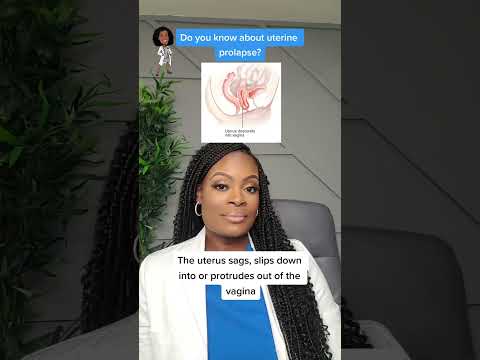
Hey there! Let’s talk about something that often gets swept under the rug—literally and figuratively. You know, it can be a little awkward discussing issues down there, but trust me, you’re not alone. If you’ve ever heard the term rectocele and thought, “What on earth is that?” you’re in good company.
So here’s the deal: a rectocele happens when there’s a little bulge in the wall between your rectum and vagina. Yeah, it sounds kinda scary, but hang tight! There are some pretty advanced solutions out there that can help bring back comfort and confidence to your life.
Just imagine feeling like yourself again—no discomfort holding you back from living your best life! Sounds dreamy, right? So grab a cup of coffee or tea and let’s dive into some fresh ideas about how to tackle this head-on.
Understanding the Side Effects of Rectocele Repair: What You Need to Know
So, let’s chat about rectocele repair, okay? If you’re wondering what that means, well, a rectocele is basically when the rectum bulges into the vaginal wall. This can happen after childbirth or just as part of getting older. A repair is a surgical way to fix it and bring things back to normal. But, like anything else, it can come with some side effects. Here’s what you should know.
After surgery, it’s pretty normal to feel some discomfort. You might think “Hey, I signed up for this!” and that’s valid! Here are a few side effects that could pop up:
- Pain: You might experience pain in the pelvic area for a bit.
- Swelling: Some swelling’s totally common right after the surgery.
- Bleeding: Light bleeding can occur but keep an eye on it.
- Changes in bowel habits: Things might feel different when you go to the bathroom.
- Sensation changes: Some folks report feeling less sensation down there or feeling “off.”
You know what’s wild? I once heard from a friend who went through this whole thing. She was super nervous about her recovery but ended up finding comfort in sharing her experience with others who felt the same way. It really showed me how much talking can help!
The thing is, everyone heals differently. Some people sail through recovery while others take their sweet time. It’s all about your body doing its thing! Always remember that your healthcare provider is there to help if something feels wrong—even if it’s just a question buzzing around in your head.
This information isn’t meant to replace professional advice or care! It’s just a friendly chat about what you might encounter post-surgery. Stay informed and take care of yourself!
Exploring Innovative Treatments for Rectocele: Advances and Options
Sure! Let’s chat about rectoceles and some of the new options folks are exploring for this condition. So, the rectocele is basically when the rectum bulges into the back wall of the vagina. Sounds a bit weird, right? But trust me, it happens more than you might think, especially after childbirth or due to aging.
Now, many people dealing with rectoceles often look for ways to find some comfort. There are traditional treatments like pelvic floor exercises and physical therapy which can help strengthen muscles down there. But now, let’s dive into some of those new and innovative treatments popping up.
- Surgery: Yeah, surgical options have been around for a while, but they’re getting more advanced. Techniques have improved so that recovery times are shorter and outcomes are better. You know how it goes—if you’ve got to go under the knife, you want it to be as smooth as possible.
- Minimally invasive approaches: These are like a breath of fresh air! There are laparoscopic methods that make smaller cuts during surgery which generally leads to less pain and quicker healing. Who doesn’t want that?
- Mesh implants: Some doctors use mesh to help support the walls of your vagina and prevent that pesky bulging. It’s worth saying that there’s ongoing debate around safety here, so you’d want to have all your questions ready if this comes up.
- Biofeedback therapy: This technique uses special sensors to help you learn how to control your pelvic muscles better. It can seem a bit sci-fi but think of it as a way to reconnect with your body!
It’s always super important to talk about any treatment options with your doctor first before making any decisions. They can help guide you through what might be best based on your individual situation.
Hey, I remember my friend Sarah who struggled with this condition for ages! She finally found what worked for her after lots of chatting with her healthcare provider. It wasn’t just about physical changes; emotionally she felt so much lighter after addressing it head-on.
So yes! If you’re curious about these options or know someone dealing with this condition, keep chatting and learning about what fits best for them. Remember though: no one-size-fits-all solution exists in health conversations. Always get professional advice tailored just for you!
Finding the Best Doctor for Rectocele Repair: A Comprehensive Guide
So, you’re dealing with the idea of finding a good doctor for a rectocele repair? First off, that can feel overwhelming. I totally get it. It’s like you’re on the hunt for someone who can make things better and help you feel more comfortable. Let me share some thoughts on how to tackle this.
When searching for a doctor, you might want to start by looking into specialists like **urogynecologists** or **colorectal surgeons**. These folks are trained in pelvic floor issues and can really make sense of your situation.
Here are a few key things to consider while you’re searching:
- Experience Matters: You want someone who’s done this before—like, a lot! Ask how many rectocele repairs they’ve performed and what their outcomes are.
- Check Reviews: Doing some online sleuthing could really help. Sites like Healthgrades or even Google reviews give you the scoop from other patients’ experiences.
- Comfort Level: Trust your gut! This is super personal, so you need to feel at ease with this person who’s going to be helping you out.
- Discuss Options: When you meet potential docs, ask about the different surgical techniques they use. Some methods might be less invasive than others!
- Follow-up Care: Find out what kind of post-surgery support they offer. Good follow-up care is crucial to your recovery.
You know, I once heard a story about someone who felt super anxious about choosing the right surgeon. She spent hours researching and even chatting with friends who had similar experiences. But in the end, what helped her most was meeting with her top choice and just being honest about her fears and doubts.
Remember, it’s okay to ask questions and seek second opinions too! Finding a good fit takes time but trust me, it’ll be worth it when you’re on that road to feeling better.
In any case, make sure you keep chatting with healthcare professionals throughout this process—they’ve got your back! Just don’t forget this journey is yours; you’re allowed to take control of your health decisions along the way!
Common Complications and Recovery Challenges Following Rectocele Repair Surgery
So, you or someone close to you might have gone through a rectocele repair surgery. That’s a big deal! It’s all about fixing that pesky bulge in the rectum wall. But, like any surgery, things can get a bit tricky during recovery. Here’s what you should know about some common complications and the bumps on the road to recovery.
First up, let’s talk about pain and discomfort. After surgery, it’s not uncommon to feel a bit sore down there. It might feel like you’ve done 100 squats and forgot to stretch! Most people find that this pain gets better over time, especially with rest and gentle movement.
Bowel issues can also pop up. Since the surgery is all about that area, some folks might experience constipation or changes in their bowel habits. This can be frustrating but keeping things easy with a good diet can help things move along smoothly.
Urinary problems are something else to watch for after surgery. You might notice some changes in how your bladder operates—things like needing to pee more often or having trouble emptying it completely. Staying hydrated is key; just don’t go overboard!
If you’re wondering about sexual function, that can be affected too. Some may experience discomfort during intimacy or changes in sensation afterward. It’s super important to chat with your doctor if this becomes an issue as they have guidance for lots of situations.
Wound healing can sometimes lag behind too! Your body needs time to recover fully from surgery, and not every stitch heals at the same pace. If anything looks off or feels worse instead of better, definitely reach out for advice.
A little tip: give yourself plenty of time to heal! Sometimes we want to rush back into life as usual, but recovery isn’t a race; it’s more like a leisurely stroll where stopping for a snack is totally acceptable!
The thing is, everyone recovers at their own pace. So if you’re dealing with any of these challenges after rectocele repair surgery, remember it’s totally normal but also very important to keep your healthcare provider in the loop.
You’re not alone in this journey; many people navigate similar waters! Just take care of yourself and be patient. There’s light at the end of the tunnel!
Okay, so let’s dive into something that might not be the first thing on your mind while sipping coffee, but it’s super important—rectocele repair. Now, I know what you’re thinking: that sounds pretty medical and a bit daunting. But stick with me for a minute, will ya?
So, imagine you’ve been feeling uncomfortable for a while. Maybe it’s like this constant pressure and discomfort down there, making daily activities feel like climbing a mountain. Been there? A friend of mine went through this whole experience. She was hesitant to talk about it at first, thinking it was just “part of being a woman.” But come on! Comfort matters! And having that chat opened up this whole world of options.
Rectocele happens when the tissue between your rectum and vagina weakens—yes, it’s as uncomfortable as it sounds. And guess what? There are some really cool advancements in how we can tackle this nowadays! We’re not just talking about old-school surgery anymore; there are new methods that can make recovery smoother and less invasive.
From my understanding, some of these advanced solutions involve using mesh or even tissue grafts to support everything down there better. It’s like giving your body an extra pair of hands when things get tough! The goal? To bring back that comfy feeling you thought was long gone.
And here’s the kicker: It’s not just about fixing physical discomfort; it’s also about improving quality of life! You know what I mean? Like being able to laugh without worrying if you’re going to feel something weird or having the freedom to go out with friends without that nagging anxiety.
Of course, any decision should be made after chatting with healthcare professionals because they’ll give you all the real scoop tailored to you personally. So if you’re feeling off or have questions swirling around in your head about comfort and health down there, don’t hesitate to reach out and talk it out!
At the end of the day, we all deserve to feel our best—inside and out—and these advanced rectocele repair solutions are helping more people find their comfort again. Isn’t that something worth smiling about?
