

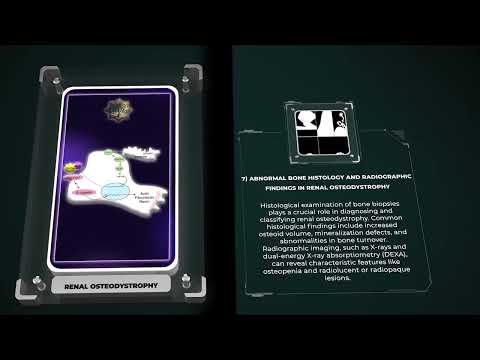
Hey there! Have you ever heard of renal osteodystrophy? Sounds fancy, right? But it’s really just a complicated way of saying that your bones can get a bit wonky if your kidneys aren’t working like they should.
Imagine this: you’re sitting on the couch, and your friend starts telling you about their bone pain. You feel for them because, honestly, who wants to deal with that kind of struggle? That’s what many people with kidney issues face daily.
But guess what? There’s some really cool stuff happening in the world of treatment! New approaches and ideas are popping up that could change everything for those dealing with this condition. So let’s dive into how care for renal osteodystrophy patients is being revolutionized today!
Exploring the Possibility of Reversing Renal Osteodystrophy: Insights and Treatment Options
Renal osteodystrophy can sound like a scary term, but let’s break it down. Basically, it’s a bone disorder that happens when your kidneys aren’t working well, leading to imbalances in minerals like calcium and phosphorus. What you might not know is that there are options out there for managing this condition!
What Causes Renal Osteodystrophy?
When your kidneys fail to filter waste properly, they also struggle with keeping your bones healthy. Your body tries to compensate by pulling calcium from your bones, which can lead to pain and fractures. It’s kind of like borrowing from the future but ending up in a bigger hole!
Symptoms You Could Experience
Symptoms can vary, but some folks report:
- Pain in bones or joints
- Weakness
- Brittle bones
- High levels of phosphate in the blood
It’s really frustrating when you feel like you’re stuck in a cycle of discomfort, right?
Exploring Treatment Options
So let’s talk about what you can do! Treatment usually revolves around managing those mineral levels. Here are few common strategies used:
- Phosphate Binders: These medications help control phosphate levels by preventing absorption from food.
- Vitamin D Supplements: Since your body needs vitamin D for calcium absorption, these can be a game-changer.
- Dietary Changes: A diet low in phosphorus-rich foods (like processed foods and certain meats) might also help.
I remember my uncle went through something similar. He felt trapped by his symptoms and unsure about what was happening. Once he started talking to his healthcare team about different options, he found strategies that worked for him—and man, did that change his outlook!
The Future Is Bright!
Research is ongoing in this area! Scientists are looking into new treatments and approaches that could revolutionize care for patients with renal osteodystrophy. There might even be advancements on the horizon that could make living with this condition much more manageable.
Just remember: it’s super important to chat with healthcare professionals about any treatment plan you’re considering. They’ll have the best info tailored to your specific situation.
So yeah—renal osteodystrophy isn’t the end of the road. With the right support and strategies, there’s hope for improving quality of life. Keep asking questions and seeking answers!
Understanding the Gold Standard for Managing Renal Osteodystrophy: Key Insights and Guidelines
You know, when we hear the term “renal osteodystrophy,” it sounds a bit scary, right? But let’s break it down. This condition basically affects your bones when your kidneys aren’t doing their job properly. Kidneys help balance minerals in your body, and when they’re not working well, it can lead to weaker bones. It’s like trying to build a house without a solid foundation!
So, the gold standard for managing renal osteodystrophy really centers on keeping those minerals balanced and making sure your bones stay strong. Here are some key insights:
1. Kidney Function Matters
Your kidneys play a crucial role in controlling **phosphorus** and **calcium** levels in the blood. When they fail, you can end up with high phosphorus levels, which can weaken bones.
2. Vitamin D is Essential
Vitamin D helps your body absorb calcium. If you’re lacking it, you might have trouble maintaining bone health. Sometimes supplements come into play here!
3. Dialysis Impact
For folks on dialysis, keeping an eye on mineral levels becomes even more vital. Dialysis can remove some of these nutrients but not always enough.
4. Medications Matter
There are medications that help manage phosphorus levels by binding to it in the gut so it doesn’t get absorbed into your bloodstream as much.
Now, quite often patients face challenges sticking to treatments or dietary changes because—guess what?—it can be tough! I once chatted with someone who felt overwhelmed by meal planning because everything seemed restricted! But remember, it’s all about finding balance and working with healthcare professionals to create a plan that works for you.
So just remember: managing renal osteodystrophy needs teamwork between patients, doctors, and dietitians. Everyone’s unique and what’s important is finding the best path for you personally! Always reach out for professional healthcare help whenever needed; it’s why they’re there!
Exploring the Possibility of Reversing Kidney Damage: What You Need to Know
Hey there! Let’s talk about something super important but often overlooked: kidney health. You know, your kidneys are these incredible organs that work hard to filter your blood and keep stuff in balance. But sometimes, they can get damaged due to various reasons, like diabetes or high blood pressure. So, can we actually reverse kidney damage? Well now, that’s a big question!
First things first: it’s essential to understand that while you can’t always reverse kidney damage entirely, you might improve their function and overall health. It’s like when you work on getting fit; you might not become an athlete overnight, but every little change counts. Here’s what you should know:
- Diet Matters: Eating healthy is key! Focusing on fresh fruits, veggies, whole grains, and lean proteins can help support your kidneys.
- Stay Hydrated: Drinking enough water keeps things flowing smoothly. Dehydration? Not good for those little bean-shaped organs.
- Control Blood Pressure and Sugar: Keeping your blood pressure and blood sugar in check is super crucial for protecting your kidneys from further damage.
- Regular Check-ups: Staying in touch with a healthcare provider means you’re always aware of what’s happening with your kidneys.
A little story here: I had a friend who struggled with his kidney health after years of poor eating habits. He decided to make a change—started cooking at home and cut down on takeout. After several months, he went for tests again and found that some of his kidney function had improved significantly! It just goes to show that small changes can lead to better outcomes!
The thing is, while there are ways to support kidney health and possibly improve function over time, it’s super important to remember this chat doesn’t replace professional healthcare advice. If you’re worried about your kidneys or any other health topic—it’s best to talk it out with a doctor.
So anyway, keep those kidneys happy by living right! Your body will thank you for it!
Effective Approaches to Renal Osteodystrophy Treatment: Options and Insights
Okay, let’s jump right into renal osteodystrophy. This can sound super complex, but don’t worry, I got you. So, this is a bone disorder that happens when your kidneys aren’t working well. They can’t keep the right balance of minerals in your body, leading to weak bones and other issues.
So what are the options on the table for tackling this? Well, here’s a quick rundown:
- Medications: There are medications that help manage hormone levels and phosphate levels. These can help your body maintain better bone health.
- Vitamin D: Taking vitamin D can really help since it helps with calcium absorption. Think of it as your bones’ best buddy.
- Dietary Changes: What you eat matters! A diet low in phosphorus but rich in calcium can make a difference. Foods like leafy greens and fruits can be good picks.
- Dialysis: For those with kidney failure, dialysis helps filter those harmful substances out of your blood. This plays a role in keeping your bones healthier too!
You know, my buddy Mary had to deal with renal osteodystrophy when she was on dialysis. It was tough; she was always tired and had aches everywhere! But once her doctor adjusted her meds and she made some tweaks to her diet, things started looking up for her.
The key is consistency. Regular check-ups with healthcare professionals are essential to tweak any treatment plans as needed and monitor progress closely. This isn’t just about one magic solution; it’s all about a mix of strategies working together.
So remember, if you or someone you know is dealing with renal osteodystrophy, don’t just take everything at face value. Talk to healthcare providers—they’re the ones who can guide you through these options based on individual needs!
This isn’t meant to replace professional healthcare advice but hopefully gives you some solid insights into what’s out there! Stay informed and take care!
You know, when I think about renal osteodystrophy, it hits close to home. My aunt has been battling kidney issues for years, and seeing her struggle with the side effects is just heartbreaking. Renal osteodystrophy is this condition that makes your bones weaker due to kidney problems, leading to all sorts of complications. It’s like a domino effect that nobody wants to be part of!
Anyway, what really gets me excited today is how things are changing for patients dealing with this. There’s a wave of innovation happening in healthcare—different treatments and therapies that are actually improving lives. New medications are making it easier for patients to manage their symptoms without feeling so bogged down by side effects. And, let’s be honest, who doesn’t want that?
And it’s not just about meds; there are also these programs focusing on nutrition and lifestyle choices specifically for these folks. Diet can play such a huge role in how well someone feels! Imagine having someone guide you through a meal plan tailored just for you—it can really make a difference.
I mean, the emotional weight of chronic illness can be heavy. My aunt once told me about how lonely she felt during her toughest days. It’s not just physical health; mental wellness matters too! So now there are more support groups popping up—spaces where people can connect and share their experiences. That sense of community? Priceless!
But let’s not forget the tech side of things! Wearable devices and apps that help monitor health stats are becoming popular too. Seriously, who would’ve thought we’d live in a time where you could track your bone health from your wrist? It sounds pretty futuristic but it’s become so accessible.
So yeah, while renal osteodystrophy is certainly a tough road to walk down, the advancements being made today feel hopeful! There’s still work to do—everyday challenges don’t disappear overnight—but at least we’re seeing some light at the end of the tunnel! Well now, maybe if we keep pushing forward with care and compassion, those affected will find relief sooner rather than later. Make sense?
