

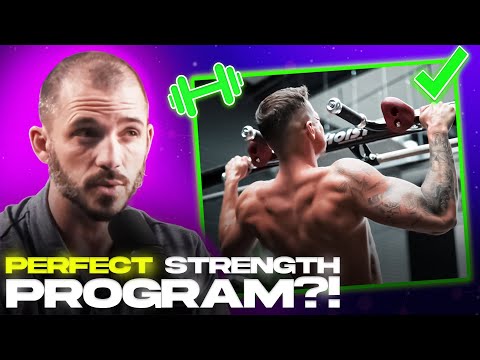
Hey there! Ever feel like you could use a little extra oomph in your life? I’m talking about strength, energy, and just feeling good overall. Well, guess what? Resistance training might just be your new best friend.
You know that feeling when you finish a workout? That rush of endorphins? So good, right? Resistance training is all about building muscle and boosting your stamina. It’s not just for bodybuilders or gym rats—anyone can get into it!
And let me tell you, it’s not as scary as it sounds. You don’t need fancy equipment or hours at the gym to get started. Seriously! Just a few simple moves can unlock your hidden power.
So, if you’re ready to feel stronger, more confident, and maybe even unleash that inner superhero, stick around! We’re diving into the awesome world of resistance training together. Ready? Let’s go!
Exploring the Impact of Resistance Training on Power Development
Resistance training is one of those buzzwords that can sound super intimidating, right? But seriously, it’s like the key to unlocking your inner strength and power. Let’s break it down, so you get what all the fuss is about.
First off, what exactly is resistance training? Simply put, it’s any exercise that makes your muscles work against a force. This could be weights, bands, or even your own body weight. Think push-ups or squats—they’re classic examples! When you push against something heavy (or even not-so-heavy), your muscles have to fire up to keep going.
Now, you might be wondering why this matters for power development. Well now, here’s the kicker: resistance training doesn’t just help build muscle; it also improves how fast and forcefully you can move. It’s like getting faster at running simply by becoming stronger. Cool, right?
Let’s break down some key impacts of resistance training on power:
- Muscle Strength: The more strength you have, the more power you can generate. It’s all connected!
- Nervous System Efficiency: Your body becomes better at using its muscles effectively, leading to improved performance.
- Coordination: You’ll notice better overall coordination and balance as you progress in your training.
- Injury Prevention: Stronger muscles mean less risk of injuries during physical activities.
You know that moment when you’re lifting something heavy and suddenly feel like Hercules? That’s what resistance training does—it helps you tap into that hidden strength! And let me tell you about my friend Sara: she started doing some simple resistance workouts a few months ago. At first, she was struggling with her form but kept at it. Fast forward to today—she’s effortlessly lifting weights she never thought she could! Her energy levels have skyrocketed too.
So yeah, if you’re looking to boost your physical prowess or just want that extra oomph in your life routine, seriously consider adding some resistance training into the mix. Just remember though—always consult with a healthcare provider before starting any new workout plan! Your safety should always come first.
Anyway, embrace those weights or bands—you might surprise yourself with how much stronger and powerful you’ll feel after just a little bit of effort!
Understanding the 3 3 3 Rule: A Simplified Approach to Effective Workouts
The 3 3 3 rule is a neat little trick to help you get the most out of your workouts. It’s super simple and easy to follow. So, if you’re looking to add some strength training into your routine, this might just be the thing for you.
At its core, the rule says:
- Do three sets of three exercises.
- Focus on three different muscle groups.
- Concentrate on your form and technique for three seconds during each rep.
Let’s break that down a bit. First off, doing three sets means you’re repeating the same exercise three times. This gives your muscles enough challenge without feeling overwhelmed. You know how sometimes when you start something new, it can be super tough? That’s why we’re keeping it manageable here!
Now, moving on to those three different muscle groups. Think arms, legs, and core. By mixing things up like this, you keep your whole body engaged. It’s kind of like going to a buffet—you want a little bit of everything! You might do squats for legs, push-ups for arms, and planks for that core strength.
And those three seconds? That’s about control and precision. Instead of rushing through the moves like you’re in a race (we’ve all been there), taking your time can actually help develop better muscle memory and strength. Imagine pushing through a rep slowly—you feel every bit of that muscle working hard!
So picture this: You finish work after a long day and you’re feeling drained but want to squeeze in a workout. With the 3 3 3 rule in mind, just grab some weights or your body weight, find a nice spot at home or the gym, and give it a whirl! The whole routine could take you less than half an hour.
Just remember though—this isn’t replacing any kind of professional advice out there! If you’re unsure about what exercises suit you best or how to get started safely, chatting with someone who knows their stuff (like a trainer) is always smart. Stay strong and keep it real!
Understanding the 80/20 Rule in Strength Training: Maximize Results with Minimal Effort
So, you’ve probably heard of the 80/20 rule, right? It’s this neat idea that says, generally speaking, 80% of your results come from just 20% of your efforts. I mean, how cool is that? You can work smarter, not harder! This concept fits perfectly into strength training too.
When it comes to lifting weights or doing resistance exercises, the 80/20 rule can help you focus on what really matters. You don’t need to spend all your time in the gym to see huge gains. Instead, it’s about finding those key workouts that really deliver results.
So, what does that look like in practice? Here are some things to consider:
- Compound Movements: Focus on exercises that work multiple muscle groups at once—like squats and deadlifts. They’re super efficient!
- Consistency over Intensity: It’s better to show up regularly than to go all out once in a while. Think of it as building a habit.
- Listen to Your Body: If you feel fatigued or sore, take a rest day! Recovery is part of the game.
- Track Your Progress: Keep an eye on how you’re doing. Even small wins matter and help keep you motivated.
- Focus on Form: Good form helps prevent injuries and maximizes your effort. Proper technique means better results!
But here’s a little story for ya—my buddy Mike decided he wanted to get stronger but was super busy with work and life stuff. Instead of spending hours at the gym each week, he picked three key lifts: bench press, deadlifts, and squats. He committed to doing those just a couple times a week. Guess what? Within months he was noticeably stronger! No crazy routines or endless hours spent working out—just smart training.
In strength training, think about what workouts give you the most bang for your buck. The 80/20 rule is all about simplicity and focusing on what really works without burning yourself out.
Keep this in mind: always check with a professional if you’re starting something new or trying out a new routine! Stay strong and keep it real!
Is 20 Minutes of Daily Resistance Training Sufficient for Optimal Fitness?
So, you’re wondering if 20 minutes of daily resistance training is enough to keep you fit? Well, the answer isn’t as simple as “yes” or “no.” Let’s break it down together.
First off, resistance training is awesome for building muscle strength and endurance. It involves activities like lifting weights, using resistance bands, or even doing push-ups and squats. Seriously, you don’t always need a fancy gym! Just your body weight can do wonders.
Now, about those 20 minutes. For many people, short but focused sessions can be pretty effective. Here’s why:
- Consistency over length: If you stick to 20 minutes every day, that’s often more beneficial than a long workout once a week.
- Intensity matters: If you’re pushing yourself hard during those 20 minutes—like really breaking a sweat—you might just be setting yourself up for success!
- Variety is key: Mixing up your exercises keeps things interesting and works different muscle groups.
You know what? I remember my friend Sarah started with just 15 minutes of bodyweight exercises daily. Fast forward a few months, and she was feeling stronger and more energetic than ever! Her little routine packed quite the punch!
That said, if you’re aiming for overall fitness—including stamina and flexibility—you might consider adding some cardio and stretching on other days. No one wants to be a total stiffy! And hey, always listen to your body; if something doesn’t feel right, it’s cool to take it easy.
The thing is, while 20 minutes can be sufficient for many folks out there, individual goals and health conditions play huge roles in what approach fits best for you. And remember: This info doesn’t replace professional healthcare advice!
If you’re curious or feel stuck in your routine, chatting with a trainer could really help clarify what works for your unique situation. So go ahead—start small and see where it takes you!
So, let’s chat about resistance training, shall we? You know, that thing that sounds super intimidating but is really just a fancy term for lifting weights or using bands. I remember the first time I walked into a gym and saw people pumping iron. My heart was racing, and honestly, I felt totally out of place. Like, who was I to touch those weights? But after some deep breaths and a few awkward attempts at figuring out how to work the machines, something shifted.
Resistance training isn’t just about getting ripped or having those big biceps. It’s about unlocking your own power—feeling strong in both body and mind. Lifting weights can feel empowering; it’s like you’re saying to yourself, “I can do this!” Every time you push through those last few reps, it’s not just muscle working; it’s your determination coming alive.
And guess what? It doesn’t have to be heavy lifting in a gym either! Resistance training can include using your body weight—think push-ups, squats, or even yoga poses that challenge you. You get to play with resistance in so many ways!
The benefits? Oh man, they go on! You might find that you have more energy during the day or that little things—like carrying groceries or running up stairs—feel way easier. Plus, there’s just something so satisfying about feeling your muscles work. When you push against resistance (literally), it often reflects how you tackle challenges in life.
Still not sure? Let me tell ya—I’ve seen friends who started with just a couple of light weights transform into folks who feel confident and powerful. And the best part? They didn’t do it alone! Finding a workout buddy can make all the difference. Sharing those moments of effort and success can turn a tough workout into fun bonding time.
So yeah, diving into resistance training could be one of the best decisions you make for yourself—not just for your physical strength but for all aspects of life too. If you’re thinking about trying it out—or even if you’re already on board—just remember: it’s all about growth at your own pace.
And who knows? You might just find that hidden power inside you waiting to be unlocked!
