

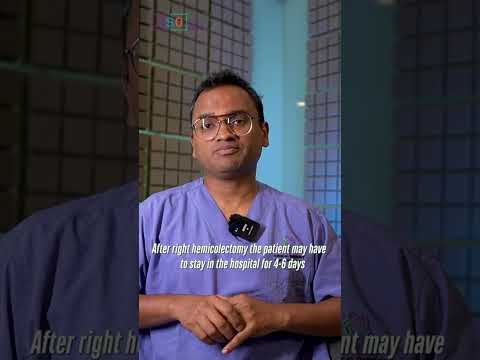
Hey there! So, let’s chat about something that might sound a little intense: right hemicolectomy. What’s that, you ask? Well, it’s a type of surgery where they remove part of your colon on the right side.
I know, it sounds scary, but hang on! This operation is evolving fast. I mean really fast. The future of recovery after this kind of surgery is looking super promising and exciting.
Think about it—less pain, quicker healing times, and way more comfort for patients. Sounds good, right? So let’s dive into what’s going on with this procedure and how it’s making waves in the medical world. Trust me; you’ll want to stick around for this!
Understanding Long-Term Issues Following a Right Hemicolectomy: Insights and Considerations
So, you’ve heard about the right hemicolectomy, huh? It’s a surgery where they remove part of the colon on the right side. People sometimes need this because of things like cancer, Crohn’s disease, or other issues. But once the surgery is over and you’re recovering, there can be some long-term stuff to keep in mind.
First off, what’s it like after the surgery? Well, some folks might find changes in their digestion. This could mean things like more frequent trips to the bathroom or even some tummy troubles. It’s not uncommon to feel different for a while as your body gets used to its new setup.
Here are a few key points about what you might encounter in the long run after a right hemicolectomy:
- Changes in bowel habits: You might notice that your schedule becomes less predictable. Some people experience diarrhea or urgency.
- Nutritional concerns: With part of your colon gone, you may absorb nutrients differently. You could need to pay extra attention to what you’re eating.
- Pain or discomfort: Some folks deal with chronic pain at their surgical site or even in other areas due to changes in how everything works together.
- Psycho-emotional effects: It’s totally normal to feel anxious or down about all these changes. Talking about it can help!
Now, just because these issues can pop up doesn’t mean everyone’s going through them. Everyone’s body reacts differently—kind of like how you and your friend can order the same dish at a restaurant but have totally different tastes!
A friend of mine had this procedure a couple years back. He was super worried about how he’d feel afterward. Turns out he had some ups and downs with his digestion at first. But with time and by talking things out with his doc and dietitian, he found what worked best for him.
The bottom line? Staying informed is key! Keep chatting with your healthcare team if you have questions or concerns after surgery. They’re there to help! The journey looks different for everyone, and taking it step by step is always a good strategy… seriously!
Understanding the Risk of Colon Cancer Recurrence After Hemicolectomy
So, let’s talk about colon cancer and what happens after a hemicolectomy. If you’ve never heard of it, a hemicolectomy is when they remove part of the colon, usually because of cancer or some other concern. It sounds pretty intense, right? But this surgery can be crucial in helping folks tackle cancer.
Now, one big question people often have is: What’s the risk of the cancer coming back after this operation? Well, that really depends on several factors. You know how every person is different? The same goes for cancer.
When doctors look at the risk of recurrence after a hemicolectomy, they consider things like:
- Stage of Cancer: If it was caught early on, the chances might be lower compared to later stages.
- Margin Status: This means whether they could get clear edges around where they removed the tumor. Clear margins are better!
- Histology: This is a fancy word for looking at the cells under a microscope to see how aggressive the cancer might be.
- Lymph Node Involvement: If cancer spread to nearby lymph nodes, that could bump up recurrence chances.
So, here’s something personal—my buddy Steve went through all this. He had a hemicolectomy last year and came out feeling like a warrior. Afterward, he learned all about his specific risk factors from his doctor. It was scary initially! But knowing what he was up against helped him feel more in control.
But don’t mistake this info for medical advice; always chat with your healthcare team about your specific case and what you should keep an eye on moving forward. They’re there to guide you through each step!
In terms of recovery and long-term health after surgery—lifestyle changes can make a difference! Eating well, staying active—these can support overall health and possibly lower risks in some cases.
Just remember: knowledge is key! Understanding your risks gives you power over your health journey. So stay informed and keep those conversations going with your doctors!
You know, when we think about surgeries like a right hemicolectomy, it’s easy to get lost in the technical stuff, right? But honestly, this procedure is really about people. It’s about recovery, healing, and getting back to life.
I remember a friend of mine who had to go through this surgery. He was nervous but hopeful. He talked a lot about how invasive it seemed and how he wanted to get back to hitting the trails on his bike. I mean, who wouldn’t want that? In a nutshell, this surgery involves removing the right side of the colon—it sounds pretty intense! And for many folks dealing with conditions like colon cancer or Crohn’s disease, it’s essential.
Now here’s where it gets interesting—recovery has come a long way! Back in the day, people would spend forever in recovery with all sorts of complications. Nowadays? They’re looking at innovative ways to make things smoother and faster. Can you believe that some places are using robotic-assisted surgeries? Yup! This technology helps surgeons operate with more precision and less trauma. So cool!
Also, we have stuff like enhanced recovery after surgery (ERAS) protocols gaining traction too. It’s all about optimizing care before and after surgery so people can bounce back quicker. They focus on things like nutrition and pain management post-op. Seriously, who wouldn’t want to feel better sooner?
So when I think about my friend again—imagine the smiles when he got home just days after his surgery! He was already thinking about that first ride back on his bike. It made me realize that behind every medical term is a person filled with hopes and dreams.
The future of recovery from procedures like these is bright! With new advancements making healing easier than ever before, it’s exciting to think about what lies ahead for everyone dealing with such conditions.
At the end of the day, it’s all about living your life fully—whether that means biking through beautiful trails again or simply enjoying a meal with loved ones without worry. And if we can make those journeys smoother through innovation? Well then, count me in!
