

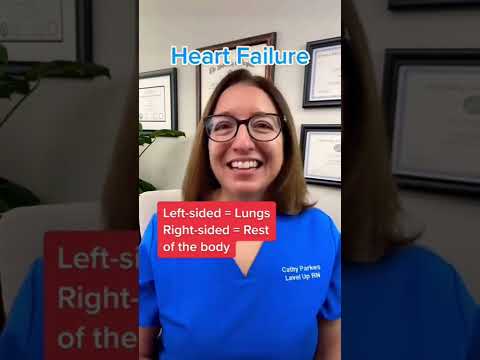
Hey there! So, let’s chat about something that doesn’t get enough attention: right-sided heart failure. Sounds pretty heavy, right? But trust me, I’m not here to weigh you down with medical jargon.
Have you ever felt unusually tired or noticed some swelling in your feet? It can totally throw you off! Understanding how your heart works—especially the right side—can shed light on those annoying little symptoms.
This isn’t about scaring you; it’s about awareness. Just like when you keep an eye on your favorite shows’ plot twists, knowing what’s going on with your heart is super important too.
So grab a comfy seat and let’s dive into what right-sided heart failure really means for you!
Identifying Right-Sided Heart Failure: Key Symptoms to Watch For
Right-sided heart failure is something that can sneak up on you. It happens when the right side of your heart isn’t pumping blood the way it should. This can lead to a bunch of symptoms that are often confused with other issues, so it’s good to know what to look out for.
Swelling in Your Feet and Ankles
One of the most common signs is swelling, or edema. You might notice your feet or ankles puffing up, especially after a long day. That’s your body holding onto extra fluid because it’s not getting pumped out effectively.
Feeling Tired or Weak
If you’re feeling more worn out than usual, this could be another clue. It’s like all that effort just to get through the day leaves you exhausted. You might think it’s just stress or lack of sleep, but sometimes it could be your heart struggling.
Shortness of Breath
Ever feel like you can’t catch your breath, even when you’re just chilling? This could happen if you’re lying down or after some light activity. Right-sided heart failure can cause fluid to build up in your lungs, making it tough to breathe comfortably.
Pounding Heartbeat
Sometimes your heartbeat might feel off—like it’s racing or pounding away in your chest. This can happen if your heart is working extra hard to pump blood properly, trying to compensate for its weakened state.
Decreased Appetite or Nausea
You’re not hungry? Or maybe food just doesn’t sound appealing? That might seem odd but it’s another symptom linked with this condition. When blood flow is off, digestion can take a hit and make you feel queasy.
So if you’ve noticed one or more of these symptoms hanging around, it’s worth chatting with a healthcare professional about it. Remember, recognizing these signs isn’t meant to scare you but instead helps keep an eye on how you’re feeling overall!
Identifying Right-Sided Heart Failure: Key Signs and Symptoms to Watch For
So, right-sided heart failure. Sounds serious, right? Well, it can be, but let’s break it down and make it super clear. It happens when the right side of your heart can’t pump blood effectively. But what does that mean for you? Just hang on, we’ll get into the signs and symptoms.
When we talk about key signs of right-sided heart failure, there are a few things to look out for:
- Swelling (Edema): You might notice swelling in your legs, ankles, or belly. It’s like your body is holding onto extra fluid.
- Fatigue: You could feel really tired even after getting enough sleep. Like, you wake up exhausted—totally not fun!
- Bloating: Sometimes folks experience indigestion or a bloated feeling in their stomach area. You know that feeling when you’ve overeaten? Yeah, kinda like that.
- Slightly Blue Skin: If your skin starts to look a little bluish around the lips or fingertips, it could be a sign things aren’t running smoothly with your circulation.
- Frequent Urination at Night: This one is pretty annoying—having to get up multiple times during the night to pee isn’t exactly what you signed up for!
I remember my friend Jake complaining about being out of breath just going up a flight of stairs. I thought he was just being dramatic at first! But turns out he was showing some signs that something wasn’t quite right with his heart function.
The thing is, if you notice any of these symptoms creeping up on you—or someone close to you—it’s worth mentioning to a healthcare professional. Seriously! These signs can point towards right-sided heart failure but don’t forget; only a healthcare expert can give you proper advice or diagnosis.
Your heart health matters! So keeping an eye on any changes in how you’re feeling can really make a difference in catching issues early on. Good luck out there!
Understanding the Symptoms of Right-Sided vs. Left-Sided Heart Failure: A Comprehensive Guide
So, heart failure—sounds pretty scary, right? But let’s break it down a bit. When we talk about heart failure, we’re usually looking at two sides: the right side and the left side. They can have different symptoms, and understanding these can help you spot what might be happening if you or someone you know is feeling off.
Right-sided heart failure is when the right ventricle struggles to pump blood to your lungs. This can lead to some pretty uncomfortable symptoms. You might notice:
- Swelling in the legs and feet: This happens because blood backs up, causing fluid to leak into tissues.
- Abdominal discomfort: Sometimes it feels like there’s pressure in your belly due to fluid buildup.
- Frequent urination: Especially at night! This can happen as your body tries to get rid of extra fluid.
Now, on the other hand, there’s left-sided heart failure. This one’s about the left ventricle not doing its job of sending blood out to the rest of your body. And guess what? You might see symptoms like:
- Shortness of breath: It can hit you when you’re active or even just chilling out.
- Coughing or wheezing: Often with white or pink mucus—yikes!
- Fatigue: Feeling tired all the time? Yeah, that could be a sign.
So why does this matter? Well now, knowing whether it’s right-sided or left-sided heart failure helps in figuring out what could be going on. For example, if my friend Sarah started feeling really tired and was coughing a lot, I’d think “Hmm… could be something with that left side.” On the flip side, if she noticed her ankles getting puffy after a long day on her feet, then I’d think “Alrighty then! Could be that right side acting up.”
Anyway, understanding these signs doesn’t replace pro help—it’s just about being aware and tuned in to what’s happening with your body. If you ever feel unsure about symptoms you’re experiencing or those of someone close to you, reaching out to a healthcare provider is definitely the way to go!
Understanding Left-Sided Heart Failure: Key Symptoms to Recognize
Well, hey there! Let’s chat about something pretty important—**left-sided heart failure**. It might sound scary, but understanding it can really help you recognize what’s going on in your body or someone else’s. So, let’s break it down nice and easy.
First off, what’s left-sided heart failure anyway? Basically, it’s when the left side of your heart can’t pump blood like it should. This can lead to some pretty uncomfortable symptoms that you might notice.
Here are the key symptoms to keep an eye out for:
- Shortness of breath: You might feel like you can’t catch your breath, especially when you’re active or lying down at night.
- Fatigue: Tiredness that just won’t go away is a big red flag. You might feel worn out doing things you usually have no problem with.
- Coughing or wheezing: You know that annoying cough? It could be a sign if it’s persistent, especially if it comes with a bit of frothy mucus.
- Swelling in the legs or ankles: If your feet and legs are puffing up like balloons, this could be fluid building up because your heart isn’t pumping properly.
Okay, so let me share a quick story! My buddy Sarah experienced some of these symptoms but thought it was just her allergies acting up. She was always tired and had this weird cough. Well, after chatting about it over coffee (seriously love those moments!), she decided to see someone about it. Turned out her heart was struggling more than she knew! Now she’s on top of her health and feeling better.
So remember: recognizing these symptoms is super important. If you or someone else feels like something’s not right, don’t hesitate to reach out to a healthcare professional. They’re the pros who can help you figure things out properly.
That’s the scoop on left-sided heart failure! Stay curious and take care of yourself!
Heart failure is one of those topics that’s often misunderstood, you know? When we hear “heart failure,” we tend to think of the heart just stopping or something dramatic happening. But it’s a lot more complex than that. Right-sided heart failure, in particular, has its own set of symptoms and challenges, and it can be really tough to spot sometimes.
You might be wondering what makes right-sided heart failure different. Well, in simple terms, it means that the right side of your heart isn’t pumping blood effectively to your lungs. This can lead to symptoms that are pretty subtle at first but can grow into something more serious if not addressed.
Imagine this: You’re sitting on your couch after a long day, trying to catch your breath after climbing a flight of stairs. You might chalk it up to just being out of shape or having a tiring day. But what if I told you that this could be a sign of something deeper, like fluid building up in your body? It’s not uncommon for people with right-sided heart failure to feel tired or weak without realizing that their heart is struggling behind the scenes.
Another thing you might notice is swelling—especially in your feet or ankles. It’s kind of sneaky how it happens. One day you’re wearing those cute shoes with no problem, and then suddenly they feel tight and uncomfortable. The thing is, this swelling happens because blood isn’t moving as efficiently as it should—so fluid sticks around where it shouldn’t.
And then there’s the pesky issue of frequent urination at night. It’s called nocturia and trust me; it’s not fun when you’re constantly waking up at 2 AM because your body just can’t seem to hold onto fluids anymore.
You see? These symptoms can easily blend into everyday life—it’s so easy to overlook them or brush them off as nothing significant. I remember my uncle who used to laugh off feeling tired all the time until one day he finally went for a check-up and discovered he had some serious issues brewing with his heart.
So if you’re experiencing any hugs from these symptoms—like sudden weight gain from fluid retention or just not feeling like yourself—don’t hesitate! It’s always better to chat with someone who knows their stuff about health rather than leaving things unchecked.
At the end of the day, understanding these signs is super important! It keeps us aware and maybe even save us from bigger problems down the road. Just remember: taking care of our hearts starts with listening to what they’re trying to tell us!
