

Hey there! So, let’s chat about something that might be a game changer for your heart health. Ever heard of rosuvastatin? Yeah, it’s one of those names that sounds all science-y and serious.
But don’t worry! I’m here to break it down for you. This little pill is all about helping keep your heart in check. You know, cholesterol can be a sneaky troublemaker, right? Rosuvastatin steps in like a superhero—helping lower those bad cholesterol levels and giving your heart a boost.
You might be wondering why this matters. Well, it’s simple: a healthy heart means more adventures and fun times ahead! So let’s dive into what rosuvastatin is all about and how it might just help you live your best life. Ready? Let’s go!
Understanding Rosuvastatin: Its Impact on Heart Health and Cardiovascular Benefits
Okay, so let’s chat about Rosuvastatin. You might have heard of it as one of those medications some people take to help with heart health. But what exactly is it, and how does it work? Let’s break it down in a friendly way.
Rosuvastatin belongs to a group of medicines called statins. These are used mainly to lower cholesterol levels in your blood. High cholesterol can lead to heart disease, and that’s where our buddy Rosuvastatin comes in handy.
Why is cholesterol important? Well, cholesterol is a fatty substance that your body needs in moderation. There are two main types: LDL (the “bad” cholesterol) and HDL (the “good” cholesterol). You want more HDL and less LDL for a healthier heart!
So, here’s the scoop on Rosuvastatin:
- Lowers LDL Cholesterol: Rosuvastatin helps reduce those pesky LDL levels, which can clog your arteries over time.
- Boosts HDL Cholesterol: It may also help raise HDL levels a bit, giving you that good stuff your body likes.
- Reduces Heart Disease Risk: By managing your cholesterol better, you’re potentially lowering the risk of heart events like attacks or strokes.
Now you might be wondering how this all affects you personally. Imagine your dad had heart issues because he didn’t keep his cholesterol in check. When he started on Rosuvastatin under his doctor’s advice, he noticed improvements during check-ups! It was reassuring for him and the whole family.
But here’s the thing: while medications like Rosuvastatin can play an essential role in heart health, they don’t do everything alone. You still gotta think about diet and exercise! Eating healthy foods and staying active can amplify the benefits of any medication.
Remember though—this info is just for your knowledge! Always chat with healthcare professionals about what might be best for you or someone close to you when it comes to treatment or medication.
So there you have it! Understanding Rosuvastatin isn’t rocket science; it’s simply about keeping our hearts happy.
The Most Common Side Effect of Rosuvastatin: What You Need to Know
So, you’ve heard about rosuvastatin and its role in heart health, right? It’s one of those meds people often discuss when it comes to lowering cholesterol. But like any medication, it can come with some side effects, and the most common one is muscle pain or weakness. Now, don’t get too worried – this isn’t something that will happen to everyone.
Muscle-related issues are pretty typical when taking rosuvastatin. Imagine you just started a new workout routine and your muscles are sore; now multiply that by a couple of not-so-fun feelings. Some folks describe it as a nagging ache or tightness. It’s usually mild but can sometimes be more intense.
Here are some key things you might want to keep in mind:
Just the other day, an old buddy of mine was telling me how he felt achy after starting his statin, but guess what? After talking to his doc, it turned out it was just his body adjusting! So yeah, communication is key.
Of course, remember that while this info is helpful, it’s always best to reach out to a healthcare professional for personalized advice. They really know what’s best for you!
Understanding the Timeline: How Long Statins Take to Reduce Arterial Plaque
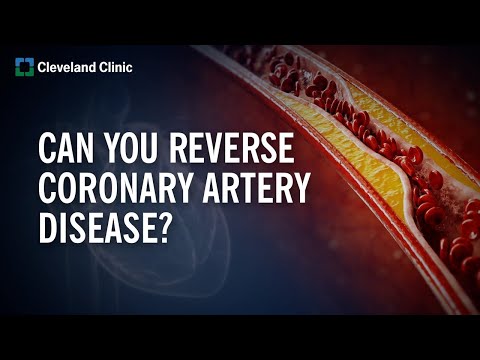
So, let’s chat about statins, specifically rosuvastatin, and how they work to reduce arterial plaque. You might have heard about them in relation to heart health – they’re kind of a big deal!
When you take statins, they help lower your cholesterol levels. Why is that important? Well, high cholesterol can lead to plaque build-up in your arteries, which can cause heart problems. The thing is, the timeline for seeing those changes isn’t instant. It’s kinda like waiting for that dough to rise when you’re baking bread—patience is a virtue!
Typically, it can take **about 6 to 12 weeks** of consistent use before you really see a drop in cholesterol levels. But hold on; that doesn’t mean the plaque is gone yet! That part takes a bit longer.
So here’s where it gets interesting: studies suggest that while it may take several months or even years to noticeably reduce arterial plaque, some benefits start showing up sooner than that. It’s like seeing tiny improvements before the big transformation happens.
Here are some key points on the timeline:
- Initial Impact: Within 6-12 weeks, you might notice lower cholesterol.
- Continuous Effects: Over months or years of consistent use, arterial plaque could decrease.
- Follow-up Tests: Regular check-ups and tests can help monitor progress.
- Lifestyle Matters: Eating well and exercising can boost those effects!
To be honest, everyone’s different. Some folks may respond quicker than others based on various factors like diet and genetics—it’s all part of the body’s unique rhythm.
So remember, if you or someone you know is considering statins or are already on them, keep those conversations going with your healthcare provider! It’s super important because they’ll guide you based on your personal health journey. No cookie-cutter answers here; just real talk about what works best for you!
Understanding Statins: The Impact on Heart Attack Risk Reduction
Okay, let’s chat about statins, shall we? You’ve probably heard the term thrown around in relation to heart health. Statins are a class of drugs that help lower cholesterol levels in your blood. Cholesterol can be a sneaky little guy; too much of it can lead to heart problems.
Now, you might be wondering, “Why do I even care about cholesterol?” Well, it’s super important! High cholesterol can lead to conditions like atherosclerosis, where your arteries get clogged. And guess what that means? An increased risk of heart attacks. Yikes!
The most common statins include atorvastatin and rosuvastatin. These bad boys work by blocking a substance your body needs to make cholesterol. This is essential because by lowering those cholesterol levels, you’re also reducing the chance of heart attack or stroke.
- Heart attack risk reduction: Statins can reduce your risk by as much as 30-40%. That’s a big deal!
- It’s not just about cholesterol: They also have anti-inflammatory properties which keep your blood vessels nice and healthy.
- But wait: Not everyone needs them! It really depends on your individual risk factors like age and family history.
I remember when my dad was first prescribed statins. He was worried about side effects — and who wouldn’t be? But after chatting with his doctor and understanding that they were more about managing risk than anything else, he felt so much better. It’s all about having the right info!
The thing is, while statins can help many people, they aren’t a one-size-fits-all solution for heart health. If you’re feeling unsure or curious about whether they’re right for you or someone you love, definitely reach out to a healthcare professional for some guidance.
So there ya go! That’s the scoop on statins and their impact on reducing heart attack risk. Just remember: knowledge is power when it comes to keeping that ticker happy!
You know, heart health is one of those things that we often take for granted until something bad happens. I remember when my grandma had her first heart scare. She was always making her famous chocolate chip cookies and had a lot of love to give, but then—bam!—she got hit with high cholesterol. It was a wake-up call for all of us.
So, in the midst of all that, rosuvastatin popped up in conversations. It’s one of those medications that gets tossed around when discussing cholesterol management, specifically LDL—often referred to as “bad” cholesterol. It works by helping your liver get rid of LDL while boosting your HDL, the “good” kind. Sounds like magic, right?
But here’s the thing: it’s not just about popping a pill and calling it a day. Heart health involves lifestyle changes too—like eating right and staying active. Rosuvastatin can be pretty effective in lowering cholesterol levels, but if you’re still munching on fries and skipping the gym, well… you might still have issues down the line.
What’s wild is how some people react to hearing about statins like rosuvastatin; they either think it’s a miracle worker or are totally scared! Sometimes you hear horror stories about side effects or folks who stop their meds because they don’t feel any different. But the reality is that everyone’s body is unique. What works for one might not work for another.
So it’s really key to chat with your healthcare provider about what fits best for you if you’re dealing with cholesterol issues. And hey, don’t forget that it’s part of an overall picture. You can totally take control without relying solely on medication—you just need some balance in your life.
At the end of the day, keeping our hearts healthy is something worth focusing on—just like grandma eventually learned to swap out some butter for applesauce in her cookie recipe! How cool would it be if we could all find our own version of heart health? That way, we can keep making memories and enjoying life with the ones we love most.
