

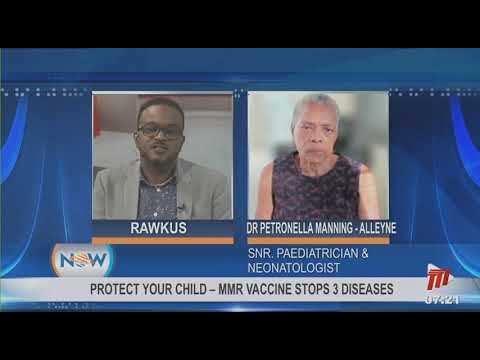
Hey there! Let’s chat about something super important today: the MMR vaccine.
You know, that shot you get to protect yourself from measles, mumps, and rubella? Seriously, it’s like a mini superhero for your immune system.
Now, rubella might not pop into your mind often, but it can really mess things up. Especially for pregnant folks! So yeah, this vaccine isn’t just a jab; it’s a future safeguard.
Stick around! We’re gonna dive into why the MMR vaccine matters so much and how it plays a role in keeping you and your loved ones safe.
Understanding MMR Vaccine Side Effects: What You Need to Know
So, you’ve heard about the MMR vaccine? It’s super important for protecting against measles, mumps, and rubella. Let’s dive into what this vaccine can do and its side effects.
The MMR vaccine is typically given to children around 12 to 15 months old, with a booster shot between 4 to 6 years. It’s one of those vaccines that keeps your little ones safe from some pretty serious diseases.
Now, like anything else, the MMR vaccine can have some side effects. Most of them are pretty mild and go away on their own. Here are a few common ones:
- Fever: This might pop up about a week after getting the shot.
- Rash: Some kids may develop a rash a week or so after vaccination.
- Soreness at the injection site: You know that feeling when you get a shot? Yep, that too!
- Mild swelling: This might happen in the cheeks or neck area.
You might be thinking, “Wait, is it really worth it?” Absolutely! The risks of severe side effects are pretty low. Serious reactions happen in less than one in a million doses. But still, it’s good to talk to your healthcare provider if you have concerns or if your child has any allergies or health issues.
A while back, my friend Sarah told me about her little guy’s experience with the MMR vaccine. He had a tiny fever and was extra snuggly for a day or two. She was worried at first but realized it was just his immune system doing its thing! Now she feels way better knowing he’s protected from those nasty diseases.
So remember, side effects are usually just part of your body adjusting and building immunity. Always seek professional healthcare guidance if you have questions about vaccinations and health! Keeping yourself informed is key in making decisions for you and your family.
Understanding MMR Vaccine Dosing Guidelines for Adults: What You Need to Know
So, let’s dive into the MMR vaccine dosing guidelines for adults! You might know that MMR stands for measles, mumps, and rubella. Yeah, it’s a trio of viruses that you definitely don’t want to mess with. The vaccine helps protect against all three, and knowing about it can be super important for your health and those around you.
First off, if you were born before 1957, you’re generally considered immune because most of us got these diseases way back in the day. But if you’re younger or unsure about your immunity, it might be a good idea to check in with your healthcare provider.
Here’s where it gets a bit more specific. If you’re an adult who hasn’t had the vaccine or maybe missed some doses as a kid, you’ll need two doses of the MMR vaccine:
- First Dose: Typically given at least 28 days apart from the second dose.
- Second Dose: To really ensure you’re protected against all three diseases!
You know what’s wild? Some healthcare settings actually require proof of immunization for things like work or school! So it’s worth keeping those records handy.
Oh, and remember this: MMR is safe for most people. But just like anything else, there are exceptions. People who are pregnant or have certain health conditions should definitely consult their doctor before getting vaccinated.
And here’s a fun fact: Rubella can cause serious issues during pregnancy, so getting vaccinated before you start a family is super crucial. It protects not only you but also future generations!
So to wrap it up: MMR vaccination is key for adults who weren’t fully vaccinated as kids or those who don’t have immunity. Never hesitate to reach out to your doctor if you’ve got questions or need more info about your personal health situation. Just keep in mind this info doesn’t replace professional healthcare advice!
Understanding the Recommended Age for Measles Vaccination: A Comprehensive Guide
So, let’s chat about the measles vaccine, shall we? You may have heard it tossed around in conversations or read about it in articles. But what’s the deal with it, and when are kiddos supposed to get it?
First off, the measles vaccine is part of the MMR shot, which protects against **measles, mumps, and rubella**. This combo shot is super important for keeping our friends and family safe from these nasty diseases. Seriously, measles can be pretty rough—a fever that makes you feel crummy and a rash that’s no fun at all.
Now, about timing: kiddos usually get their first dose of the MMR vaccine around **12 to 15 months** old. That’s when their immune system is ready to take on the challenge! Then they get a **second dose** between ages **4 and 6 years**. This helps boost their protection even more.
Here are some key points to remember:
- First Dose: 12-15 months.
- Second Dose: 4-6 years.
- Catch-Up Vaccination: If someone misses those doses, they can still get vaccinated later!
You might wonder why this schedule? Well now, young children are at greater risk for serious complications if they get measles. And seriously, nobody wants that! By vaccinating early on, we help build up a shield—not just for them but also for those around them.
Let me tell you a little story about my friend Sarah. When her little one turned one, she was all jittery about vaccinations. We went together to the clinic (cheering her on like a cheerleader!). After getting that first MMR shot? She felt so relieved knowing she was protecting her baby from these illnesses! It was such a weight lifted off her shoulders.
In case you’re wondering…no vaccine is perfect. But vaccines are one of our best tools in public health! That way we protect not only individual kids but also communities as everyone has less risk of catching or spreading diseases.
You see? Understanding when to vaccinate doesn’t have to be complicated. Just remember those ages—12-15 months for the first shot and another between 4-6 years old—and you’re already ahead of the game!
Always go ahead and reach out to your healthcare provider if you have questions or concerns—because at the end of the day, they’re your best source for personalized info! Plus, vaccination helps keep us all safe so we can focus on what really matters: enjoying life with our loved ones!
Comprehensive Guide to the Ingredients of Merck’s M-M-R Vaccine
Alright, let’s dive into the M-M-R vaccine. You’ve probably heard of it before, right? It’s that shot protecting you against measles, mumps, and rubella. Pretty neat stuff! But what exactly is in it? Let’s break it down.
The M-M-R vaccine is made with some pretty specific ingredients. Here’s a quick overview:
- Live attenuated viruses: This means the vaccine contains weakened forms of the actual viruses that cause measles, mumps, and rubella. They’re not strong enough to cause the diseases but are just enough to get your immune system to kick into action.
- Stabilizers: Ingredients like gelatin or lactose are included to help keep those little viruses intact during storage. They make sure the vaccine remains effective until it reaches you.
- Preservatives: Some vaccines use preservatives to prevent contamination. In the case of M-M-R, there aren’t any preservatives because it comes in single-dose vials.
- Buffers: These maintain a healthy pH level in the vaccine so that everything stays balanced and effective.
You know, when I got my M-M-R shot back in school, I remember feeling a mix of excitement and fear. Excitement because I was doing something good for my health but fear because I knew needles weren’t my thing! But hey, looking back now, I’m glad I went through with it—you can’t risk catching these illnesses!
The thing is, while these ingredients sound pretty technical, they’re all carefully chosen to ensure your immune system can recognize and fight off these nasty viruses if you ever come across them. Just remember that vaccines like this one are part of keeping not just you safe but also those around you.
If you’re curious about more detailed info or have concerns about vaccinations for yourself or your kids, don’t hesitate to chat with a healthcare pro! They’re the ones who can give you personalized advice based on real science.
You know, I always thought vaccines were kind of boring—at least until I had my own kids. Suddenly, every little sniffle and cough made me all nervous. And then someone brought up the MMR vaccine—measles, mumps, and rubella—and that got me thinking. It’s not just a shot; it’s a safety net for our future.
So, let’s chat about rubella for a sec. It’s this virus that can cause pretty serious stuff if a pregnant person catches it. Like, we’re talking birth defects and other complications that could really affect both the baby and the mom. It’s kind of wild to think something so tiny can have such massive consequences, right? That’s where the MMR vaccine jumps in like a superhero.
When I first heard about this vaccine combo, I was relieved! Seriously! It protects us against three diseases in one go. It’s like getting three birds with one stone — much easier than juggling three separate appointments at the clinic! Plus, once you get that shot—or two if you’re starting from scratch—you’re not just protecting yourself; you’re helping your whole community too. How cool is that?
I remember chatting with my friend Sarah when she was pregnant. She was super stressed about everything—the nursery decor (how many shades of pink is too many?!), baby names, and of course, health stuff too. We started discussing what vaccines she needed to get during her pregnancy to keep her little one safe from harmful stuff like rubella. Knowing she’d be giving her child the best start possible was such a relief for both of us.
Anyway, it can feel overwhelming at times—there’s a lot of info out there about shots and schedules—but keeping things simple has always worked for me: Ask questions! Talk to your doc! They’ve got your back and are there to help you navigate all this health stuff.
At the end of the day, protecting our future with vaccines like the MMR is just smart thinking. It allows us all to breathe easier knowing we’ve done what we can to keep ourselves and our loved ones safe from illnesses we don’t want lingering around in our lives—or our community. So yeah, let’s keep chatting about these things!
