

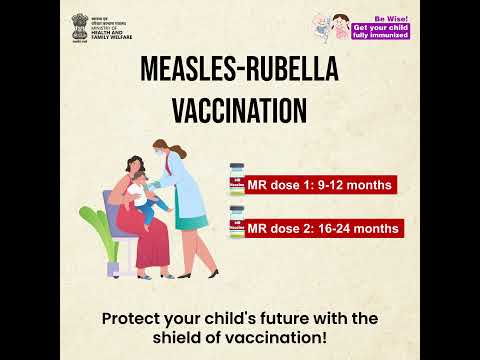
Hey there! Let’s dive into something super important today—rubella vaccines. You might be thinking, “Rubella? What’s that?” Well, it’s often called German measles, and trust me, you don’t want to catch it.
Here’s the deal: vaccination is like a superhero shield for your health and the health of others. Seriously! It protects you from pretty nasty stuff. And guess what? Rubella can really mess with things, especially if you’re pregnant or trying to start a family.
So, why should you care? Well, getting vaccinated not only helps you but also helps create a healthier tomorrow for everyone around us. Let’s chat about why the rubella vaccine is such a game changer and why getting it could mean peace of mind for you and your loved ones!
Understanding the Immune Response: What Healthy Patients Develop After Rubella Vaccination
Hey there! Let’s have a little chat about the immune response, especially after getting that rubella vaccine. You know, it’s super important to understand what happens in our bodies when we get vaccinated.
So, first off, rubella is a virus that can cause some serious issues, especially for pregnant women and their babies. That’s why vaccination is so key! When you get the rubella vaccine, your body gets to work right away.
Here’s the deal:
- Your immune system recognizes the weakened virus in the vaccine.
- It kicks into high gear and starts producing antibodies.
- These antibodies help protect you against future infections with the real rubella virus.
It’s like sending your immune system to training camp! After vaccination, it learns how to fight off the virus. So if you ever encounter rubella again, your body can respond quickly and effectively.
Now let me tell you a personal story. A friend of mine got her little one vaccinated against rubella. She was so nervous about how it would go, but guess what? The kiddo barely even noticed a tiny pinch! And now she knows her baby is protected from something pretty serious. It was a huge relief for her!
An important note: Most people develop immunity after vaccination. However, some might need an extra dose or two; it’s always best to follow up with healthcare professionals if you’re unsure.
In short, getting vaccinated helps your immune system build a strong defense against rubella. Remember though! If you’ve got specific questions or concerns about vaccinations or health stuff in general, chat with your doctor. They’re there to help guide you with professional advice tailored just for you!
So keep that in mind and stay healthy! Talk soon!
Optimal Timing for the Rubella Vaccine: A Comprehensive Guide
Sure thing! Let’s chat about the rubella vaccine and when you should think about getting it. You know, it’s one of those vaccines that helps keep us all safer from some pretty nasty stuff.
What is Rubella?
Rubella, also known as German measles, is a contagious viral infection. It can cause serious problems during pregnancy, leading to congenital rubella syndrome in the baby. So, yeah, we don’t want that!
When’s the Best Time to Get Vaccinated?
Most folks get the rubella vaccine as part of the MMR (measles, mumps, rubella) combo shot. Here’s what you need to know:
- First Dose: Kids usually get their first MMR dose between 12 and 15 months old.
- Second Dose: Then there’s a second dose that happens at 4 to 6 years old.
- For Teens and Adults: If you’re older and haven’t been vaccinated or aren’t sure if you got it, getting vaccinated before pregnancy or during childbearing years is super important.
A Little Anecdote
I remember my friend Sarah. She didn’t realize how important that rubella shot was until she was planning for her first baby. She got her MMR updated before getting pregnant just to be on the safe side. Now she’s got a healthy little boy and feels way better knowing she did what she could!
Why Timing Matters
Timing is key because getting vaccinated when it’s recommended can help ensure immunity and keep outbreaks at bay. If you wait too long or miss the doses altogether, you might be putting yourself—and others—at risk.
If You’re Unsure…
If you’re not sure about your vaccination status or if you need the shot, that’s totally normal! Just ask your healthcare provider for clarity. They’re there to help make sure you’re protected without any guesswork involved.
So there you have it! The rubella vaccine plays an important role in keeping everyone healthy. Just remember this info flows from general knowledge—not a substitute for chatting with a healthcare pro!
Essential Guide to the Rubella Vaccine for Women: Benefits, Safety, and Recommendations
Let’s chat about the rubella vaccine. You might be wondering what it is and why it’s important, especially for women. So, here’s the scoop.
Rubella, also known as German measles, is a virus that can cause serious issues during pregnancy. If a woman gets rubella while pregnant, it could lead to birth defects or even miscarriage. Yikes, right? That’s why getting vaccinated is crucial.
So what are the main benefits of the rubella vaccine?
- Prevents Rubella Infection: The vaccine helps your body fight off the virus if you come in contact with it.
- Protects Future Babies: By vaccinating before pregnancy, you’re reducing risks to future children.
- Community Immunity: When more people are vaccinated, it helps protect those who can’t get vaccinated due to medical reasons.
You might also be curious about safety. It’s totally normal to have questions! The rubella vaccine has been around for decades and is considered safe for most people. Common reactions might include a sore arm or mild fever—nothing too crazy!
The recommendations are pretty clear: women of childbearing age should ensure they’re up-to-date on their vaccinations before trying to conceive. Seriously, talking with your healthcare provider can help you understand the timing better. They can give you all the specifics based on your situation!
To wrap it up, getting vaccinated against rubella isn’t just about protecting yourself; it’s about keeping future generations safe too. Remember though—this information isn’t a substitute for talking with a healthcare professional.
If you have any doubts or questions, don’t hesitate to reach out and ask! Staying informed is always a good idea.
Optimal Age for Rubella Vaccination: Guidelines and Recommendations
Well, let’s chat a bit about rubella vaccination. You probably heard the term thrown around, but what’s the deal with it? Rubella, or German measles, is a viral infection that can lead to some serious complications, especially during pregnancy. That’s why vaccination is super important!
The optimal age for rubella vaccination tends to be around 12 to 15 months. This is when kids are usually getting their first round of vaccines anyway. It just makes sense to add rubella into the mix. Then there’s a booster dose recommended between ages 4 and 6. So basically, you get your first jab while you’re still a baby, and then again when you’re on the verge of starting school.
Now, I remember when my little cousin got her shots. She was pretty cranky afterwards; I mean, who wouldn’t be? But her mom reminded me that it’s better than getting sick later on. Just imagining how much stress could pop up if she contracted rubella really puts things into perspective.
For adults who haven’t been vaccinated or are unsure of their immunization status—like some of us who just flew through childhood—it’s best to check in with your healthcare provider. They might suggest getting a vaccine if it turns out you’re not protected.
So to wrap things up, here’s what you should know:
- First dose: 12-15 months old.
- Second dose: Between 4-6 years old.
- Adults: Check with your doctor if uncertain about your vaccine history.
Just remember though: this info doesn’t replace talking to a health professional! Always better safe than sorry when it comes to staying healthy for you and your loved ones.
You know, when I was a kid, we were always lined up for our vaccinations. I didn’t really understand what all the fuss was about back then. I just remember the mild dread of needles and my mom saying it was for my own good. Fast forward to now, and I totally get it!
So, let’s talk about rubella for a sec. You might think, “Oh, isn’t that just a childhood thing? It doesn’t affect me.” But here’s the thing: rubella can really mess with expectant moms and their babies. If a pregnant woman catches rubella, it can lead to serious health problems for her child—like heart issues or even hearing loss. That’s some heavy stuff.
The rubella vaccine is like our superhero cape against this virus. By getting vaccinated, we’re not only protecting ourselves but also ensuring that the folks around us—especially little ones and future parents—are safe too. It’s like creating this big shield of health in our communities! Can you picture it?
And yeah, I know everyone has their own feelings about vaccines, and that’s valid! But think about it: at the end of the day, choosing to vaccinate is a step toward a healthier tomorrow. It’s one small prick so we can avoid a whole lot of trouble down the road.
Sometimes people share stories that stick with you. A friend of mine narrated how her sister lost her baby because she’d contracted rubella while pregnant; that broke my heart into pieces! Imagine being so excited for your baby only to face such tragedy due to something preventable? It really drives home why vaccination matters.
So if you’re out there pondering whether to get that shot or not—just remember: it’s not just about you; it’s about everyone around you too. Vaccinating means more healthy tomorrows for all of us! And hey, who doesn’t want that?
