

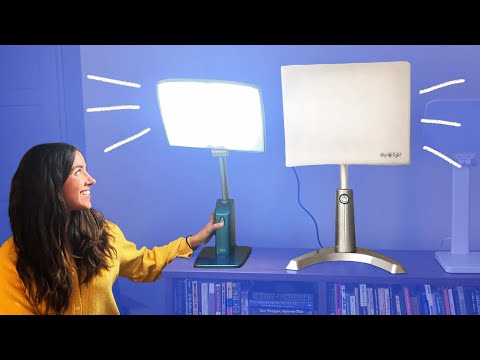
Hey there! Ever felt a bit blah on a gray, cloudy day? You’re not alone! That’s where sad light technology steps in. Yeah, it sounds kinda funny, right? But these lights are like sunshine in a box—perfect for those gloomy moments.
So, what’s the deal? This technology is all about helping people chase away the clouds of sadness and boost their mood. And guess what? There’s some pretty cool marketing stuff happening around it too.
We’re diving into how these lights can brighten your life and explore some innovative ways brands are connecting with you. It’s exciting stuff that could change your day-to-day vibe! Ready to glow? Let’s go!
Exploring the Effectiveness of SAD Light Therapy: Does It Really Work?
So, let’s chat about SAD light therapy. You might be wondering, what in the world is that? Well, SAD stands for Seasonal Affective Disorder. It’s that funky feeling of the blues you can get during those dreary winter months when sunlight is basically on vacation. Seriously, it can mess with your mood and energy levels.
Now, here’s where SAD light therapy comes in. These special lamps give off bright light meant to mimic natural sunlight. The idea is that soaking up this light can help lift your mood and even improve your sleep by messing with your body’s internal clock (which is also called circadian rhythm—fancy term, huh?).
People often ask if it really works, and the answer seems to be a mixed bag. Some folks rave about how much better they feel after using these lights regularly. Others? Not so much. Here are a few key points to keep in mind:
- Timing matters: Using these lights in the morning may boost your mood more than using them later in the day.
- Duration counts: Most people sit in front of these lamps for about 20-30 minutes daily.
- Brightness: It’s usually recommended to go for lamps around 10,000 lux to get the best effect.
- Individual responses vary: Not everyone will see a huge difference; some might need additional support or different methods altogether.
Now I remember my friend Sarah who tried one of these lights last winter. She was feeling super sluggish and just kind of “meh.” After a week or so of using her lamp each morning while sipping coffee, she said she felt like a whole new person! More energy and less grumpiness—it was like she’d found her sunshine again.
But it’s super important to remember that while some people have success with SAD light therapy, it doesn’t work for everyone—definitely not a one-size-fits-all kind of deal! Always good to chat with a healthcare professional if you’re thinking about giving this a shot.
Anyway, if you’re feeling low when the skies are gray, exploring SAD light therapy might be worth considering! Just keep in mind it shouldn’t replace any professional healthcare advice you might need.
Effective SAD Lamps: A Comprehensive Guide to Finding the Best Options
SAD lamps are like a little burst of sunshine in your home, especially when those dreary winter months roll in. A lot of us can struggle with the winter blues, and that’s where these lamps come in handy. They mimic natural sunlight, which can help lift your mood and give you some extra energy.
When you’re searching for an effective SAD lamp, there are a few things to keep in mind.
- Brightness: Look for a lamp that emits at least 10,000 lux. This level is generally considered effective for most people.
- UV Protection: It’s super important to find a lamp that filters out UV light. You don’t want to hurt your eyes while trying to brighten your mood!
- Size and Design: Consider whether you want a portable option or something that sits on your desk. Design matters too—let’s be real, we all want something that looks nice in our space.
- Adjustable Settings: Some lamps let you control brightness levels or even have timers. This way, you can customize your experience!
Now, what about the price? You might find some budget-friendly options out there, but remember: cheaper isn’t always better! Investing a bit more can mean better quality and effectiveness.
Speaking of effectiveness, I once knew someone who got a SAD lamp after feeling down during the winter months. At first, she was skeptical about it working. But after just a week of using it daily for about 30 minutes each morning, she noticed her energy levels climbing! She felt more motivated and even started exercising again—how cool is that?
At the end of the day, if you’re thinking of getting one of these lamps for yourself or someone else who could use some light in their life, just keep those key points in mind! And always remember—if you’re feeling really down or struggling with persistent issues related to mood changes, chatting with a healthcare professional is definitely the way to go. They can help guide you better than any lamp ever could!
Exploring the Effectiveness of 10 Minutes with a SAD Lamp: A Comprehensive Analysis
So, you’ve probably heard about those fancy SAD lamps, right? They’re supposed to help people feel better during the gloomy months when sunlight seems like a distant memory. If you’ve ever wondered how effective spending just 10 minutes with one of these lamps can be, let’s break it down in a way that makes sense.
First off, SAD stands for Seasonal Affective Disorder. It’s basically a type of depression that kicks in when there’s less natural sunlight—often in winter. Many folks find they feel more down or sluggish during this time. So, this is where SAD lamps come into play. These lamps mimic natural daylight and can help boost mood.
Now, let’s talk about those **10 minutes**. Research has shown that even short sessions with a SAD lamp can be beneficial. Here’s what you need to know:
- Boosts Mood: Even just 10 minutes might help lift your spirits a bit.
- Regulates Sleep: Exposure to bright light helps your body know when it’s time to wake up and when it’s bedtime.
- Convenience: It’s pretty easy! You can fit these 10 minutes into your morning routine – maybe while sipping coffee?
- No Side Effects: Unlike some medications for mood disorders, using a lamp doesn’t usually come with weird side effects.
Now, maybe you’re thinking about getting one for yourself or someone else who struggles with the winter blues. A friend of mine tried it last year. She set her lamp up on her desk and spent just a quick 10 min before diving into her work emails. She told me she felt more energized and even noticed she was smiling more! That little brightness made a big difference.
But here’s the thing: while these lamps can help many folks feel better, they aren’t magic fixes or substitutes for professional help if someone really needs it. So, think of them as part of your wellness toolkit but not the only tool!
In summary: If you’re looking for a quick mood boost during those dreary days, spending some time with a SAD lamp might be worth considering! Just remember it’s all about finding what works best for *you*—and talking to professionals if things get tough is totally okay too!
Effective Light Therapy Options for Managing Seasonal Affective Disorder (SAD)
So, let’s chat about Seasonal Affective Disorder, or SAD for short. It can really bring a cloud over your mood when the days get shorter and the sun seems to hide. Seriously, it’s like winter turns off the lights in your brain, right? That’s where light therapy comes into play. It’s a way to trick your body into thinking it’s enjoying more sunlight, which can help lift that gloomy feeling.
Bright light therapy usually involves sitting in front of a specially designed light box. These boxes emit bright light that mimics natural sunlight but without those harmful UV rays. People often use these for about 20-30 minutes each morning. It sounds simple, but many find it pretty effective! Here are some options you might come across:
- Light Boxes: These are like mini sun creators. They provide a broad spectrum of light and can be adjusted for brightness.
- Dawn Simulators: Imagine waking up to a gradual increase in light, just like sunrise. These gadgets help ease you out of slumber and into the day!
- SAD Lamps: Specifically designed for SAD treatment, these lamps usually have higher lux levels (which is just a fancy way of talking about brightness).
It’s not just about flashy lights; it’s also about finding what feels good for you. Some people swear by certain brands or features they like in their light therapy devices—like adjustable settings or size! You’ll want to experiment a bit and see what fits your lifestyle.
I remember my friend Sarah once told me how she started using one of those light boxes when winter rolled around. She was struggling with her energy levels and mood, but after a few weeks with her box next to her morning coffee routine? She felt brighter—like she could take on the world! Isn’t that amazing?
If you’re considering this route, talk to someone who knows their stuff in mental health or wellness first. Light therapy can be awesome, but it doesn’t replace professional support if you’re dealing with serious stuff.
The bottom line is: when winter feels heavy, there are ways to lighten things up! Just think of how much brighter life could feel with the right kind of glow!
So, you know those days when the sky is grey, and everything feels a bit dull? I remember one winter when it felt like the sun had completely forgotten about us. I was just scrolling through my phone, feeling a bit sorry for myself, when I stumbled across something called “sad light therapy.” It’s a thing that uses bright light to help with Seasonal Affective Disorder (SAD), which makes total sense!
Basically, the whole idea is to mimic natural sunlight. And trust me, it really can brighten your mood. However, it’s not just about the light; it’s also about how this tech is marketed. Companies are getting super creative with ways to draw people in. You see these bright-colored lamps that look more like cool decor than a “medical device.” That draws you in, right? With so many options out there now—like fancy lamps and portable gadgets—it’s clear they want you to feel like you’re bringing a bit of sunshine into your home.
But here’s the thing: it’s not only about selling products; it’s about understanding people’s needs during those darker months. The marketing feels more personal now, connecting with our emotions rather than just pushing shiny things to buy. They share stories of how these lights have helped others find their spark again.
I mean, if someone can literally light up your life when things feel gloomy? That’s kind of amazing! It’s refreshing to see brands focusing on wellness instead of just turning profits. All in all, brightening lives isn’t just about technology—it’s also about how we relate to each other and face tough times together.
So next time you’re feeling low or scrolling through options for some cheeriness at home, think about how much these little innovations can change your vibe! Seriously! It might be worth looking into that sad light after all.
