

Hey there! So, let’s chat about something super important: sickle cell and malaria. Yeah, you heard that right. These two health issues are serious concerns, especially in certain parts of the world.
But guess what? Technology is stepping up! Seriously, I mean it. There are some amazing tech solutions popping up that can help tackle these challenges head-on.
Imagine using a simple app to monitor your health or getting real-time info on disease outbreaks. Sounds cool, right?
In this piece, we’re diving into how tech is making a difference in the fight against sickle cell disease and malaria. You’ll see how innovation is turning things around for many lives out there. So stay tuned!
Adapting Daily Routines: Strategies for Managing Sickle Cell Anemia
So, if you or someone you know has sickle cell anemia, you might be wondering how to manage daily routines and keep things flowing smoothly. It’s all about creating a rhythm that works for you, right? Let’s dive into some practical strategies that can help. Just remember, this isn’t a replacement for professional healthcare.
First off, staying hydrated is key. Dehydration can trigger sickle cell crises. So, drink water regularly throughout the day! You could set reminders on your phone or use an app that tracks your fluid intake. If you’re not a fan of plain water, try herbal teas or add some lemon—whatever floats your boat!
Next up: rest and relaxation. Fatigue is no joke with sickle cell disease. Listen to your body! If you’re feeling run down, take a break. It’s okay to slow down sometimes. Finding a cozy spot and cuddling up with a good book or binge-watching your favorite series can be super rejuvenating.
- Create a predictable schedule: Having set times for meals, sleep, and self-care can make everything less stressful. Even simple stuff like knowing when it’s time to take meds helps create stability.
- Stay active but smart: Light exercises like walking or stretching are great but don’t overdo it! This isn’t the time for extreme sports; easy does it.
- Keep an eye out for symptoms: Be aware of what your body is telling you. If something feels off, it might be worth checking in with a healthcare provider.
You know how technology has taken over everything? Well, there are awesome tech solutions out there that can help folks manage their health too! From apps designed specifically for tracking symptoms to telehealth options that let you chat with doctors from home—it’s all pretty cool!
And hey, having a support network matters too. Friends and family can provide encouragement and help ease those tough days when things feel overwhelming. Seriously, don’t hesitate to lean on them!
The thing is—everyone’s journey with sickle cell anemia is unique, so these tips are just starting points. What works for one person might not work for another! But finding what feels right for you makes all the difference in managing daily life with this condition.
Just remember: You’ve got this! Learn what works best for your routine and always keep in touch with health professionals about any changes or concerns.
Comprehensive Guide to Local Treatment Centers for Sickle Cell Anemia Care
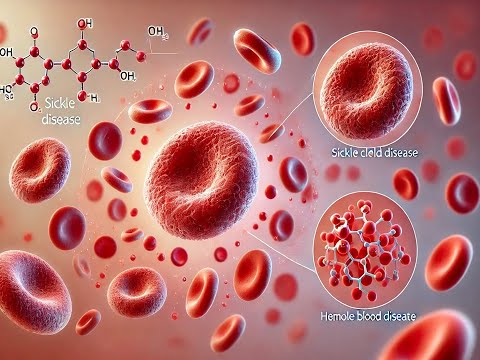
So, let’s chat about sickle cell anemia and why knowing about local treatment centers is super important. It’s a genetic condition that affects how your red blood cells work. Instead of being round and smooth, they can become rigid and shaped like sickles or crescent moons. This can cause some serious health issues, you know?
Now, when it comes to managing sickle cell anemia, having access to the right care is crucial. Local treatment centers play a big role in this because they provide tailored support based on the community’s needs. Here are some key things to think about:
- Accessibility: You want to find a place that’s easy to reach. Transportation can be tricky sometimes, especially if you’re not feeling well.
- Specialized Care: Look for centers with staff who are knowledgeable about sickle cell. They understand the challenges and can help manage symptoms effectively.
- Support Services: It’s not just medical help; emotional support matters too! Centers often have counselors or support groups.
- Treatment Options: A good center will offer various treatments—from pain management strategies to blood transfusions.
I remember my friend Sarah sharing her journey with sickle cell anemia. She often felt isolated but found hope when she started going to a local center where she met others like her. That sense of community made all the difference for her—she didn’t just have doctors; she had friends who understood what she was going through.
And get this: tech solutions are popping up as game-changers in tackling challenges related not just to sickle cell but also malaria! Think telehealth appointments making it easier for folks in remote areas to connect with specialists without traveling miles. It’s pretty cool how technology is bridging gaps!
The bottom line is that local treatment centers for sickle cell anemia provide essential resources and support that can really enhance quality of life. Remember though, always consult healthcare professionals for advice tailored to your specific needs—I’m just here sharing some info!
Understanding the Inheritance of Sickle Cell Anemia: Key Genetic Factors and Patterns
Okay, so let’s dive into sickle cell anemia and how it gets passed down through families. It’s one of those things that sounds complicated, but at its core, it’s all about genetics. You know, genes—the tiny instructions in our bodies that tell us how to grow and develop.
Sickle cell anemia is caused by a change in a gene called HBB. This gene helps make a part of hemoglobin, which is the stuff in your blood cells that carries oxygen. When there’s a mutation (a fancy word for a change) in this gene, red blood cells can turn into a sickle shape instead of their usual round shape. Think of it like trying to fit a crescent moon into a round hole—it just doesn’t work!
Now, here’s where inheritance comes in. For you to have sickle cell anemia, you need to inherit two copies of the mutated gene—one from each parent. If you inherit just one copy, you’ll have what’s called **sickle cell trait** but not the full-blown disease.
- If both parents have sickle cell trait (meaning they each have one normal gene and one mutated gene), there’s a 25% chance their child will have sickle cell anemia.
- If one parent has the disease and the other has sickle cell trait, there’s still a chance their child could inherit the disease.
- If both parents are healthy with no mutations at all, it’s unlikely for their kids to have any issues related to sickle cell.
Let me tell you—a good friend of mine found out his son had sickle cell anemia during routine testing. It was tough news to hear! But knowing about these genetic factors helped them understand how it happened and what they could do moving forward.
Genetic testing can be super helpful here! It helps families find out if they carry the sickle cell trait or are at risk for having children with the disease. Knowing this stuff can guide your decisions about family planning and healthcare—kind of essential stuff if you ask me!
And here’s another interesting bit: people with the sickle cell trait are often more resistant to malaria! This is because malaria parasites struggle to thrive in those tricky-shaped red blood cells. So while sickle cell might sound scary, there’s also this silver lining when you look at it through different lenses.
The bottom line? Understanding these genetic patterns opens up conversations about health within families—and can be vital as we explore tech solutions for dealing with challenges like sickle cell anemia and malaria together!
Advancing Disease Resistance: The Role of CRISPR in Creating Malaria-Resistant Mosquitoes
So, let’s talk about something super interesting: how scientists are using a cool tech called CRISPR to fight malaria by creating mosquitoes that basically can’t spread the disease. Sounds kind of futuristic, right? But it’s happening now!
Malaria is caused by tiny parasites that ride along in the saliva of mosquitoes. When these little buzzers bite us, they transmit the parasites into our bloodstream. Not cool! The thing is, malaria affects millions every year and can be really serious.
Now here comes CRISPR into play! CRISPR stands for Clustered Regularly Interspaced Short Palindromic Repeats. It’s a fancy tool that lets scientists edit genes like you would edit a document. With CRISPR, researchers can go into a mosquito’s DNA and change it so that they can’t carry or spread malaria anymore.
Let me tell you a bit about why this matters so much. Imagine Anna, a girl living in a malaria-prone area. Every year, she and her family have to deal with mosquito nets and taking precautions against bites. If we can make mosquitoes resistant to spreading malaria, Anna could live without that constant worry—and maybe even enjoy her childhood more.
Here are some key points about what CRISPR does in this context:
- Targeting Genes: Scientists identify specific genes in mosquitoes that allow them to carry the malaria parasite.
- Edit those Genes: With CRISPR, they can “cut” and replace those genes with new ones that don’t allow the parasite to thrive.
- Catching on Fast: Once some mosquitoes are altered, they breed with regular ones—the changes get passed down!
- Pushing Back Malaria: Over time, fewer and fewer mosquitoes will carry malaria, making life safer for everyone.
You might wonder: is it safe? Well now, that’s something scientists are looking at closely. They want to be sure this kind of genetic change won’t mess up ecosystems or create other issues.
Anyway, while this technology isn’t available everywhere yet and there’s still a lot of work ahead—like testing everything thoroughly—it’s exciting to think about how we might tackle diseases like malaria in new ways using science!
Just remember though: this info doesn’t replace chatting with healthcare pros when it comes to health concerns or treatments. Cool stuff happening here but always best to stay informed from reliable sources!
You know, whenever I hear about sickle cell disease and malaria, I can’t help but feel a mix of sadness and hope. These are two conditions that have impacted so many lives, especially in parts of Africa and other tropical regions. I mean, it’s tough to see people suffering from preventable diseases, right? But the cool part is that tech is stepping in to help tackle these challenges.
Imagine this: you’re sitting in a village where access to healthcare is limited. Then one day, a mobile clinic shows up equipped with the latest tech! It brings along diagnostic tools that can quickly test for malaria or assess sickle cell traits right there on the spot. That’s powerful stuff! It’s like bringing a doctor directly to where people need them most.
Then there’s the whole world of data collection and analysis. Health apps can track outbreaks of malaria or even help manage sickle cell care by reminding patients when to take their medication or attend appointments. It’s kind of amazing how technology can connect people with information they might not otherwise have access to.
And let’s not forget about gene editing technology! Some scientists are exploring ways to modify genes related to these diseases. The idea that we could potentially eliminate conditions like sickle cell disease from future generations? Crazy, right? It feels like something out of a sci-fi movie, but it’s happening!
Of course, tech isn’t a magic wand that instantly fixes everything. There are still hurdles—like access issues and costs—that need tackling too. But the spark of innovation gives me hope every time I think about it. You see real people trying hard to improve lives through science and technology.
In all honesty, every time I read stories about individuals fighting against these illnesses or researchers coming up with new solutions, I feel inspired. It’s a reminder that even in dark times, there’s always room for change and progress through human creativity—and sometimes all it needs is a little bit of tech magic sprinkled in!
