

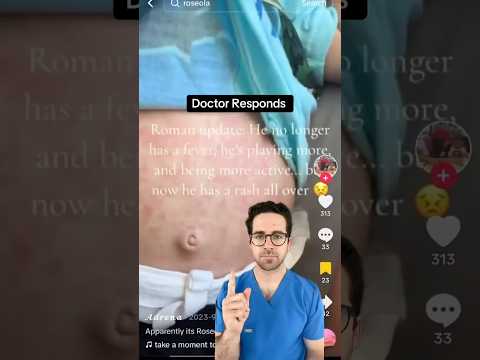
So, here’s the scoop on something that might pop up in your life as a parent: Sixth Disease. Ever heard of it? Yeah, it’s one of those super common childhood rashes that can freak you out a bit when it shows up.
Your little one gets a fever and then, bam! A rash. It’s like, what just happened? Totally confusing, I know! But don’t worry too much; I’ve got the lowdown for you.
In this little chat, we’re diving into what Sixth Disease is all about—how it sneaks in, what that rash looks like, and why it’s important to stay cool about it. You’ll get some tech insights too, so you can keep track of things on your phone or tablet! Sounds good? Let’s get into it!
Understanding Roseola: Key Insights and Visual Guide to Rash Symptoms
So, let’s chat about roseola, a viral infection that mainly affects little ones, usually under the age of 2. You might also hear it called “sixth disease,” which sounds kinda fancy but is really just a common childhood illness. The big deal with roseola is that it can sometimes show up with a rash after a few days of high fever.
Now, here’s how it typically goes down: First, your kiddo might have a fever that just won’t quit for about three to five days. It’s pretty intense, but then—boom!—the fever breaks, and suddenly there’s this rash appearing. It often starts on the trunk and can spread to the arms and legs. It’s generally pink or red and may look like small spots or patches.
The thing is, not all kids will get the rash. Some might just have a fever and then return to their joyful selves. But if you do see that rash? Well now, you want to know what to look for:
- Timing: The rash usually pops up after the fever goes away.
- Appearance: It’s pinkish-red and can vary in size.
- Location: Usually starts on the trunk before spreading.
- Tenderness: The rash generally isn’t itchy or painful, which is kinda nice!
A little story for you: I remember when my friend’s daughter had roseola. They were so worried when she had that super high fever—but once it broke and we saw that cute little rash appear, they felt so relieved! Kids are resilient, right? She bounced back in no time!
The virus spreads easily among kids—mostly through saliva or respiratory droplets—but don’t stress! Roseola is usually pretty mild and doesn’t leave lasting effects.
If you ever notice this kind of rash showing up or if you’re concerned about your little one’s health, definitely reach out to a healthcare professional for guidance. Remember, understanding roseola helps ease worries but doesn’t replace expert advice!
Understanding the Duration of Roseola Rash: What You Need to Know
So, you’ve heard of roseola, huh? Also called sixth disease, it’s a viral infection that mostly hits little kiddos. The big giveaway? A sudden fever followed by a pretty rash. If you’re curious about how long that rash sticks around, let’s dive in!
The duration of the roseola rash can be a bit tricky because every kid is different. Generally, you might notice the rash appearing after the fever breaks. This usually happens around day three to five of their illness.
The rash itself is often small, pink or red spots that can pop up on the trunk and spread to other areas like the face or arms. Here’s what you should know:
- Lasting Time: The rash usually lasts about 3 to 5 days.
- Fever First: Remember, the fever typically goes before the rash shows up.
- No Need to Stress: It might look alarming but it’s usually harmless.
I remember when my friend’s little one had roseola. She was so worried when she saw that awful rash, thinking it was something serious! But once the doctor explained it was just part of this common childhood virus and would clear up soon enough, she felt a huge weight lift off her shoulders. That’s why understanding what’s going on is so important!
If you’re ever uncertain about your child’s health or if something seems off with the rash, don’t hesitate to reach out to a healthcare professional. They’re your go-to for all those burning questions! So anyway, now you have a little more clarity on roseola’s duration—you’re welcome!
Understanding Roseola: Is There a Connection to Herpes?
Hey there! Let’s chat about something that might sound a bit confusing but is super important for parents. You’ve probably heard of **roseola**, also known as the sixth disease. It’s a common viral infection, especially in little ones under the age of two. You might be wondering, though, if there’s any link between roseola and herpes viruses. Grab a cup of coffee and let’s break it down!
Firstly, roseola is caused by certain strains of the **herpes virus**, specifically **Human Herpes Virus 6 (HHV-6)** and sometimes **HHV-7**. Now, before you start worrying or thinking this means your child has herpes like what adults get, hold on! The term “herpes” refers to a whole family of viruses. While they share some similarities, they behave really differently when it comes to infections.
So here are some key points to keep in mind:
- Roseola primarily affects young children. It usually starts with high fever that can last for a few days.
- The telltale rash appears after the fever. This rash typically doesn’t cause any discomfort and fades away in just a few days.
- Unlike other herpes infections, roseola isn’t usually associated with sores or other serious symptoms.
- Most kids recover without any complications, which is always good news!
A quick story here! A friend of mine had her toddler come down with what she thought was just another cold. The sudden fever was scary at first, but then, poof! The rash appeared like magic—easily mistaken for chickenpox or something else. But thankfully, it turned out to be just roseola! So reassuring to know that these things happen when you’re raising little ones.
Finally, while both roseola and other herpes viruses can be part of the same family of viruses, they don’t really cross paths in terms of causing problems for your child’s health in similar ways. It’s crucial to remember that if you have concerns about your child or if they’re unwell, talking to a healthcare professional is best.
Anyway, now you’ve got the lowdown on roseola and its connection (or lack thereof) to herpes viruses! Stay curious and keep those questions coming—you never know what interesting health topics we’ll explore next!
Understanding Roseola in Adults: Symptoms, Causes, and Treatment Options
Roseola is one of those things that sounds kind of mysterious, right? Although it’s more common in kids, adults can get it too. So, let’s break down what roseola is all about, including the symptoms, causes, and a bit about treatment options.
First off, **what is roseola?** It’s often called the sixth disease and usually pops up in young children. But if an adult ends up catching it, it can still be a pain. Roseola is caused by a couple of viruses from the herpes family—specifically human herpesvirus 6 (HHV-6) and sometimes HHV-7. Fun fact: lots of people have these viruses silently living in their bodies without ever knowing!
Now, onto some **symptoms** you might notice if you or someone you know has it. The usual signs include:
- High fever: This can be quite sudden and may last for three to five days.
- Rash: After the fever breaks, a rash can appear that’s usually pinkish and spotty.
- Fatigue: You might feel tired or a bit achy when you’re dealing with this.
- Irritability: Especially in younger kids who aren’t feeling well.
Just to share a quick story: My buddy Tim caught roseola as an adult after his toddler brought it home from daycare. He couldn’t pinpoint what was going on at first because he just felt so worn out—and then bam! The rash showed up after days of feeling like he’d been hit by a truck.
As for **treatment options**, there’s no magic cure or anything like that. Most of the time, it’s all about managing symptoms:
- Fluids: Staying hydrated is super important!
- Pain relievers: Over-the-counter meds might help ease fever or discomfort (just check with someone who knows).
- Rest: Seriously—taking it easy goes a long way!
And remember that roseola usually isn’t serious; most people bounce back pretty quickly! But if things seem off or symptoms get worse, it’s always best to chat with a healthcare professional.
So there you have it—roseola isn’t just for kids! If an adult happens to catch it, knowing the symptoms and what to expect can really help make things a bit smoother. Just keep your spirits up and take care!
So, let’s chat about this thing called the sixth disease, or roseola. It’s a mouthful, right? I mean, if you’re a parent, you probably first heard about it when your little one had a high fever followed by a rash. That moment can be a bit scary, huh? As if managing the usual toddler antics wasn’t enough!
Here’s the scoop: sixth disease is most common in kids under two. It’s caused by certain strains of human herpes virus—pretty wild to think about! Symptoms usually start with that nasty fever that can spike up to 103 degrees or so for a few days. You’d think your kid just has a cold, but then out pops that telltale rash once the fever breaks. It can feel like you’ve been thrown into some secret parent club that nobody warned you about.
Let me share something personal. Last year, my nephew caught it. He was so cranky and hot—just miserable! We were all scratching our heads wondering what was going on. But as we waited it out and tried everything from cool baths to popsicles, that rash finally appeared after the fever faded. Honestly? It was such a relief! I remember my sister breathing out this huge sigh of relief once we figured it out—it was just sixth disease!
Now into the tech side of things—turns out there are some apps and resources now for parents to keep track of symptoms and get good info on these kinds of illnesses. They help calm those anxious thoughts running through your mind at 2 AM when you’re googling every symptom in sight. So anyway, if your kiddo shows signs of fever followed by rash, don’t panic too much; just keep an eye on things!
It’s always good to check in with your pediatrician for reassurance though; no tech can replace their wisdom when it counts! Just remember: amidst all the stress of parenting through these viral surprises, there’s usually light at the end of the tunnel—like those pesky rashes disappearing and kids bouncing back to their playful selves in no time!
